Millions of Americans spend hundreds on home gym equipment that becomes a clothes rack by March. Don't waste your money. Discover the smart tech that actually keeps you motivated and ensures your fitness investment pays off for years, not just weeks.
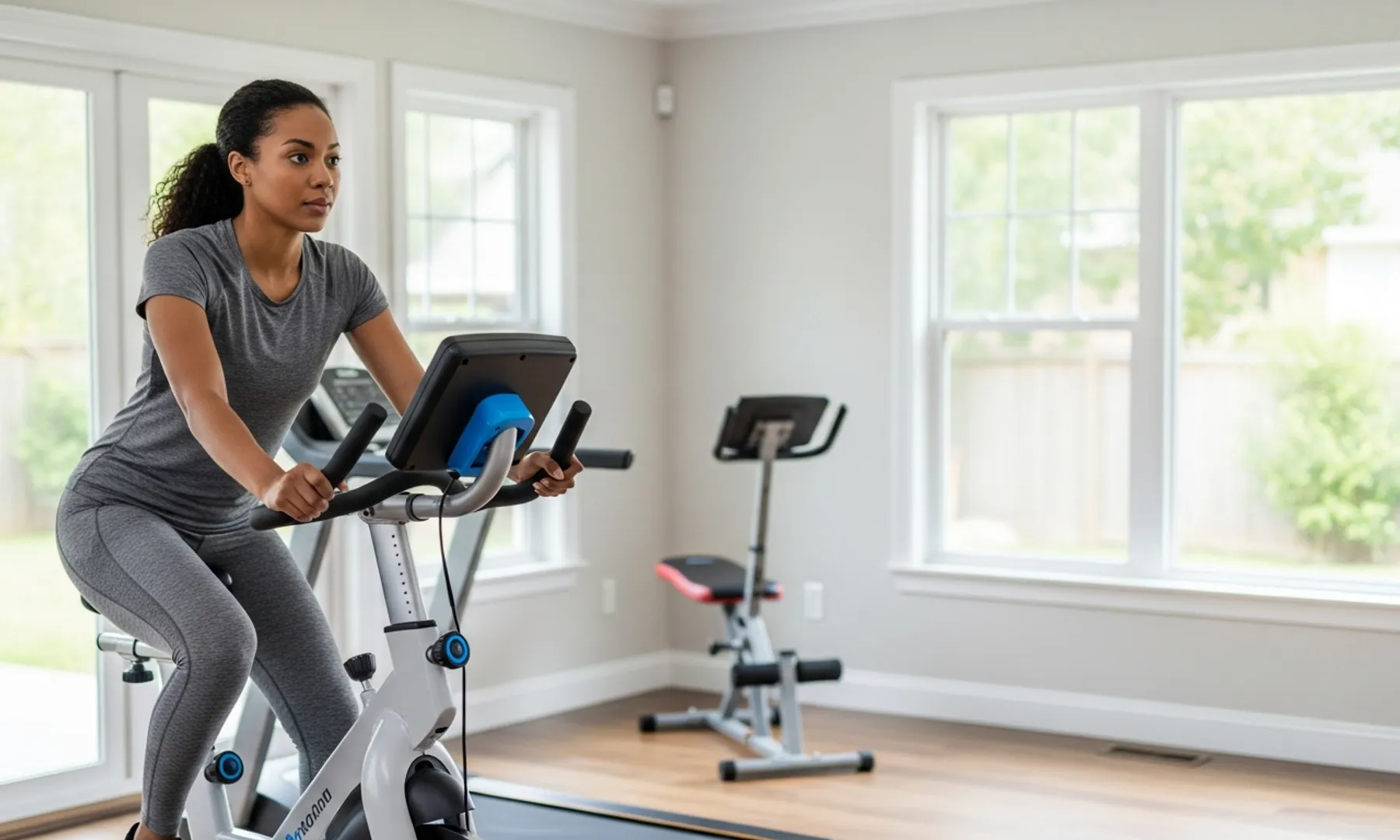
The January Effect: Why Most Home Gyms Become Clothes Racks by March
Every January, millions of Americans hit the ground running with new fitness resolutions and shiny home gym equipment. But for many, that enthusiasm fades fast. By March, expensive treadmills often gather dust, and sleek exercise bikes become convenient places to drape laundry.
This common cycle isn't just about a lack of willpower. It's often a mismatch between the equipment purchased and the user's long-term motivation, space, and engagement needs. The good news is that technology offers powerful solutions to this perennial problem, ensuring your investment pays off.
Over $300 is wasted annually by the average American on unused gym memberships or equipment. Understanding *why* some gear sticks around and other pieces are abandoned is the first step to building a home gym you'll actually use.
The Hidden Costs of Abandonment: Beyond Just Money
When a piece of home gym equipment sits unused, it's more than just a financial hit. It occupies valuable space in your home, turning a corner of your living room or garage into a monument to failed intentions. This can create mental clutter and reduce motivation even further.
Many people buy equipment based on initial excitement or a sale, without considering how it fits their lifestyle. Maybe that massive multi-station gym looked great online, but it dominates your spare room and feels intimidating to use daily. Or perhaps a basic treadmill leads to boredom after only a few weeks.
A significant reason for abandonment is the lack of guidance and variety. Without a trainer, class, or structured program, many find themselves doing the same routine repeatedly. This quickly leads to plateaus and disinterest, making the equipment feel less valuable over time.
The Tech Advantage: How Smart Gyms Drive Consistent Use
Modern technology has transformed home fitness from solitary, often boring, workouts into engaging, interactive experiences. Smart gym equipment integrates screens, sensors, and connectivity to offer guided workouts, live classes, and performance tracking. This is a game-changer for long-term adherence.
These systems provide the structure and variety often missing from traditional home setups. Imagine having an expert trainer guide you through every rep or a studio class motivating you with upbeat music and a community. This built-in accountability and dynamic content keep workouts fresh and challenging.
Many smart gyms also offer personalized programming, adapting workouts to your progress and goals. This prevents plateaus and ensures you're always working effectively. It’s like having a personal coach, a class instructor, and a data analyst all rolled into one device, right in your living room.
Top Smart Home Gyms That Earn Their Keep in 2026
Choosing the right smart home gym means finding one that aligns with your preferred workout style, space, and budget. Here are some of the leading tech-driven options that consistently get used long after January, providing genuine value and sustained motivation.
These systems offer more than just a workout; they provide an ecosystem designed to keep you engaged. From strength training to cardio, each has unique features that cater to different fitness journeys.
Consider the subscription fees, as these are crucial for accessing the full range of content and personalized features. Most range from $30 to $50 per month, which is often comparable to a traditional gym membership but with the convenience of home.
Smart Home Gym Comparison: Features and Pricing
| Feature | Peloton Bike+ | Tonal | Hydrow Wave | Lululemon Studio Mirror |
|---|---|---|---|---|
| Workout Type | Cycling, Strength, Yoga, Cardio | Smart Strength Training | Rowing, Pilates, Yoga, Strength | Cardio, Strength, Yoga, Boxing, Barre |
| Equipment Cost | ~$2,495 | ~$3,995 | ~$1,895 | ~$1,495 |
| Monthly Subscription | $44/month | $49/month | $44/month | $39/month |
| Key Tech Feature | Immersive classes, auto-follow resistance, swiveling screen | Digital weights (200 lbs), AI guidance, form correction | Immersive 'on-water' experience, live/on-demand rows | Virtually invisible when off, live/on-demand classes |
| Space Footprint | Moderate | Small (wall-mounted) | Moderate | Very Small (wall-mounted) |
Each of these platforms offers a distinct approach to home fitness, leveraging technology to enhance the user experience. Whether you're a cardio enthusiast, a strength builder, or someone seeking variety, a smart gym can provide the structure needed to stay consistent.
Beyond the Screen: High-Tech Tools for Smaller Spaces and Budgets
You don't always need a full smart gym system to leverage technology for consistent workouts. Many smaller, more affordable tech tools can significantly boost engagement with traditional equipment or minimal space.
Adjustable dumbbells, like the Bowflex SelectTech 552s, integrate with apps to track reps and provide guided workouts, saving space and offering versatility. Smart jump ropes, like the Tangram Smart Rope, count jumps, track calories, and sync data to your phone, turning a simple cardio tool into a data-rich experience.
Resistance bands, when paired with a good fitness app, become a portable, effective strength training solution. Apps like Nike Training Club or Peloton App (even without hardware) offer thousands of guided workouts using minimal equipment. These options are perfect for apartment dwellers or those on a tighter budget looking for tech-enhanced flexibility.
- Smart Scales: Track more than just weight; monitor body fat, muscle mass, and more, providing valuable data for progress.
- Wearable Fitness Trackers: Devices like Apple Watch or Garmin track activity, heart rate, and sleep, closing the loop on your overall health.
- Virtual Reality (VR) Fitness: Emerging platforms like Supernatural for Meta Quest offer immersive, gamified workouts that make exercise feel like play.
Choosing Your Forever Fitness Friend: Key Factors for Long-Term Engagement
To ensure your home gym equipment doesn't end up as a clothes rack, thoughtful selection is crucial. It’s about more than just features; it’s about how the equipment fits into your life.
Here are key factors to evaluate before making a purchase:
- Space and Aesthetics: Be realistic about the footprint. Does it fit comfortably, or will it feel cramped? Some wall-mounted options, like Tonal or Mirror, disappear when not in use.
- Workout Style and Goals: If you love cycling, a Peloton is a natural fit. If strength is your priority, Tonal offers a unique digital weight experience. Don't buy a rower if you hate rowing.
- Subscription Commitment: Most smart gyms require a monthly fee for content. Factor this into your long-term budget. Is the content engaging enough to justify the recurring cost?
- Ease of Use: Is the interface intuitive? Can you jump into a workout quickly, or does it require a lengthy setup? Friction points can quickly derail motivation.
- Community and Accountability: Do you thrive on competition, leaderboards, or live classes? Many smart platforms offer these social elements, which can be powerful motivators.
- Budget Flexibility: Prices range widely. Determine what you can comfortably invest upfront and monthly. Sometimes, a combination of smart accessories and a robust app is more effective than a single, expensive machine.
Maximizing Your Home Gym Investment: Tips to Avoid the Clothes Rack Fate
Once you've chosen your equipment, the real work begins: using it consistently. Here are actionable strategies to keep your home gym a vibrant part of your fitness routine, leveraging its technology to the fullest.
First, integrate your workouts into your daily schedule like any other appointment. Treat that 6 AM Peloton ride or 7 PM Tonal session as non-negotiable. Consistency builds habit, and technology can help reinforce this structure.
Second, explore all the content your smart gym offers. If you only do cycling on your Peloton, try a strength class or a yoga session. Variety prevents boredom and challenges your body in new ways. Many platforms regularly add new content, keeping things fresh.
Third, connect with the community. Join a Facebook group for your Hydrow, or follow friends on Tonal. A little friendly competition or shared experience can be a powerful motivator. Use the tracking features to see your progress and celebrate small victories. Track your metrics, challenge yourself, and watch your fitness grow.
Disclaimer
The information provided in this article is for general informational purposes only and should not be considered professional advice. While we strive to keep the content accurate and up to date, we make no guarantees of completeness or reliability. Readers should do their own research and consult a qualified professional before making any financial, medical, or purchasing decisions.