
Compact vs Mid-Size vs Full-Size SUVs: Space, Towing, and MPG Compared for 2026
Compact SUVs average 30+ MPG but tow only 3,500 lbs max. Full-size models handle 8,600 lbs but drop to 18 MPG. The size you pick determines $1,200+ annual fuel costs.
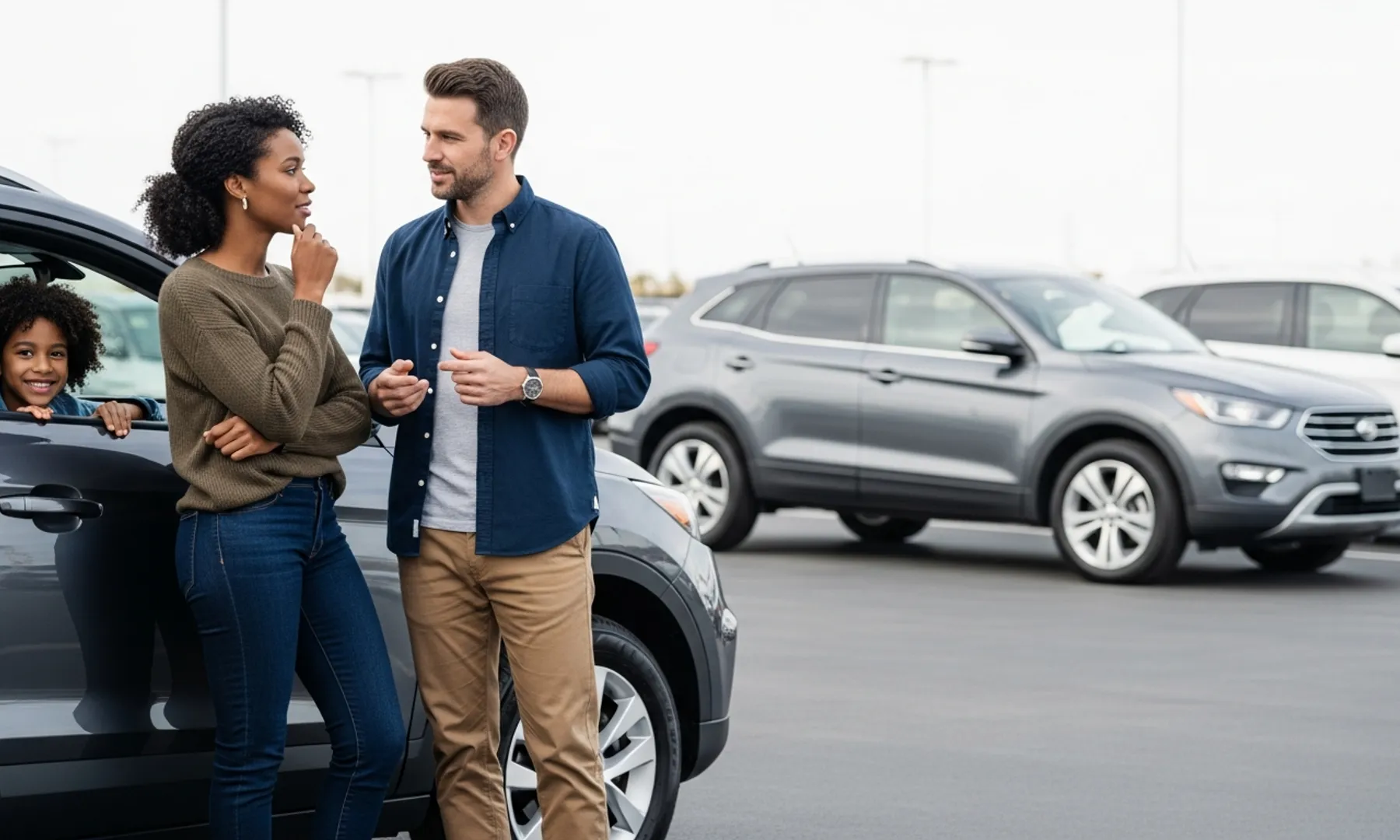
2026 SUV Size Categories: What Actually Matters
Choosing between compact, mid-size, and full-size SUVs comes down to three key factors: interior space, towing capacity, and fuel economy. Each category serves different needs, and the wrong choice can cost you thousands in wasted fuel or force you into expensive upgrades later.
Compact SUVs like the Honda CR-V and Toyota RAV4 prioritize fuel efficiency, averaging 28-32 MPG combined. Mid-size options including the Toyota Highlander and Honda Pilot balance space with reasonable fuel costs at 22-26 MPG. Full-size SUVs such as the Chevrolet Tahoe and Ford Expedition maximize cargo and towing but drop to 16-20 MPG.
The 2026 model year brings updated powertrains across all categories. Many compact SUVs now offer hybrid variants pushing MPG into the mid-30s, while full-size models add more efficient V6 turbo engines to replace older V8s.
Cargo Space and Passenger Capacity Breakdown
Interior space varies dramatically between SUV categories, affecting everything from family road trips to grocery runs.
Compact SUVs typically seat 5 passengers with 25-39 cubic feet of cargo space behind the rear seats. The Subaru Forester leads with 35.4 cubic feet, while the Mazda CX-5 offers 30.9 cubic feet. Rear seat legroom averages 37-39 inches.
Mid-size SUVs accommodate 7-8 passengers across three rows, delivering 16-21 cubic feet behind the third row and 47-55 cubic feet with the third row folded. The Honda Pilot provides 18.5 cubic feet in maximum seating mode, expanding to 55.9 cubic feet with rear seats down.
Full-size SUVs maximize both passengers and cargo. Models like the Chevrolet Tahoe offer 25.5 cubic feet behind the third row and 122.9 cubic feet with all rear seats folded. Second-row legroom stretches to 42+ inches in most full-size models.
Towing Capacity: Which Size Handles Your Trailer
Towing capability separates SUV categories more than any other factor. Your boat, camper, or utility trailer determines which size you actually need.
| SUV Category | Typical Towing Range | Best-in-Class Example | Max Capacity |
|---|---|---|---|
| Compact | 1,500-3,500 lbs | Subaru Forester | 3,500 lbs |
| Mid-Size | 3,500-8,000 lbs | Honda Pilot | 5,000 lbs |
| Full-Size | 8,000-9,300 lbs | Chevrolet Tahoe | 8,600 lbs |
Compact SUVs handle small utility trailers, jet skis, and lightweight travel trailers under 3,000 pounds. The Honda CR-V manages 1,500 pounds, sufficient for most recreational needs but limiting for serious hauling.
Mid-size SUVs tow mid-size boats, larger campers, and multiple ATVs. The Toyota Highlander pulls 5,000 pounds when properly equipped, covering most family recreation scenarios without the fuel penalty of full-size models.
Full-size SUVs handle large travel trailers, boats over 25 feet, and heavy equipment. The Ford Expedition maxes out at 9,300 pounds, enabling serious recreational towing that smaller SUVs cannot manage safely.
Fuel Economy Reality Check: 2026 MPG Numbers
Fuel costs add up quickly with larger SUVs. At current gas prices averaging $3.20 per gallon nationally, the difference between compact and full-size SUVs costs $800-$1,200 annually for average drivers.
2026 Compact SUV Leaders:
- Honda CR-V Hybrid: 34 MPG combined
- Toyota RAV4 Hybrid: 36 MPG combined
- Subaru Forester: 29 MPG combined
- Mazda CX-5: 28 MPG combined
2026 Mid-Size Efficiency:
- Toyota Highlander Hybrid: 35 MPG combined
- Honda Pilot: 22 MPG combined
- Chevrolet Traverse: 21 MPG combined
Hybrid variants in the mid-size category nearly match compact SUV efficiency while offering significantly more space and capability.
Pricing and Value Comparison Across Categories
Purchase prices vary significantly between SUV sizes, with ongoing costs extending the gap further.
| Category | Starting MSRP Range | Well-Equipped Price | Insurance Cost* |
|---|---|---|---|
| Compact | $28,000-$35,000 | $32,000-$40,000 | $1,400-$1,600/year |
| Mid-Size | $35,000-$45,000 | $42,000-$55,000 | $1,600-$1,900/year |
| Full-Size | $55,000-$70,000 | $65,000-$85,000 | $2,000-$2,400/year |
*Average insurance costs for 35-year-old driver with clean record
Compact SUVs offer the lowest total cost of ownership. The Honda CR-V starts at $28,400, while a loaded Toyota RAV4 reaches $38,000 with premium features.
Mid-size SUVs balance capability with reasonable costs. The Honda Pilot begins at $39,700, climbing to $52,000 for top trims with leather, navigation, and safety packages.
Full-size SUVs command premium pricing. The Chevrolet Tahoe starts at $58,200, with luxury versions exceeding $75,000. Higher insurance, maintenance, and fuel costs add $2,000-$3,000 annually versus compact alternatives.
Best SUV Size for Different Family Situations
Your family size, lifestyle, and priorities determine which SUV category delivers the best value.
Choose Compact SUVs if you:
- Have 1-2 kids or no children
- Prioritize fuel economy over maximum space
- Rarely tow anything heavier than 2,000 pounds
- Want lower insurance and maintenance costs
- Live in urban areas with tight parking
Choose Mid-Size SUVs if you:
- Need seating for 6-7 people regularly
- Want to tow boats, campers, or trailers up to 5,000 pounds
- Balance space needs with fuel efficiency concerns
- Take frequent long-distance family trips
- Need significant cargo space for sports equipment or luggage
Choose Full-Size SUVs if you:
- Regularly transport 8+ passengers
- Tow heavy trailers, large boats, or RVs
- Need maximum cargo capacity for business or recreation
- Prioritize comfort and luxury over fuel costs
- Have specific capability needs that smaller SUVs cannot meet
2026 Model Year Updates Worth Considering
Several significant changes across SUV categories make 2026 models more appealing than previous years.
Technology Upgrades: Most 2026 SUVs include standard wireless Apple CarPlay/Android Auto, larger touchscreens, and improved voice recognition. The Toyota Highlander adds a 12.3-inch display, while Honda standardizes wireless charging across its SUV lineup.
Safety Improvements: Advanced driver assistance becomes standard on more models. The Subaru Forester includes EyeSight suite on all trims, while Chevrolet adds automatic emergency braking to base Tahoe models.
Powertrain Efficiency: New hybrid options expand beyond compact SUVs. The Toyota Highlander Hybrid delivers 35 MPG combined, while Ford introduces a hybrid Expedition variant targeting 24 MPG.
Pricing Changes: Base model prices increased 3-5% across categories, but incentives and lease deals remain competitive. Many manufacturers offer 0.9% APR financing through early 2026 to move inventory.
Making Your Final Decision
Start by calculating your actual space and towing needs rather than estimating what you might need someday. Most families overestimate their requirements and end up paying for capability they rarely use.
Calculate total ownership costs over 5 years, including fuel, insurance, and maintenance. A $5,000 price difference between categories often becomes $15,000+ when ongoing expenses are included.
Test drive with realistic loads. Bring car seats, sports equipment, or typical cargo to understand how each size category handles your actual needs. Many buyers discover that mid-size SUVs offer sufficient space without the fuel penalty of full-size models.
Compare specific models within your chosen category on manufacturer websites, then check current incentives and financing offers before visiting dealers.
Disclaimer
The information provided in this article is for general informational purposes only and should not be considered professional advice. While we strive to keep the content accurate and up to date, we make no guarantees of completeness or reliability. Readers should do their own research and consult a qualified professional before making any financial, medical, or purchasing decisions.