The Home Safety Devices That Are Quietly Saving American Lives Every Single Year
Home fires kill 7 Americans daily, but working smoke alarms slash risk by 50%. Many miss 10-20% insurance discounts and critical protection by overlooking key devices. Discover which often-ignored tools could save your family's lives and trim hundreds from your annual premiums.
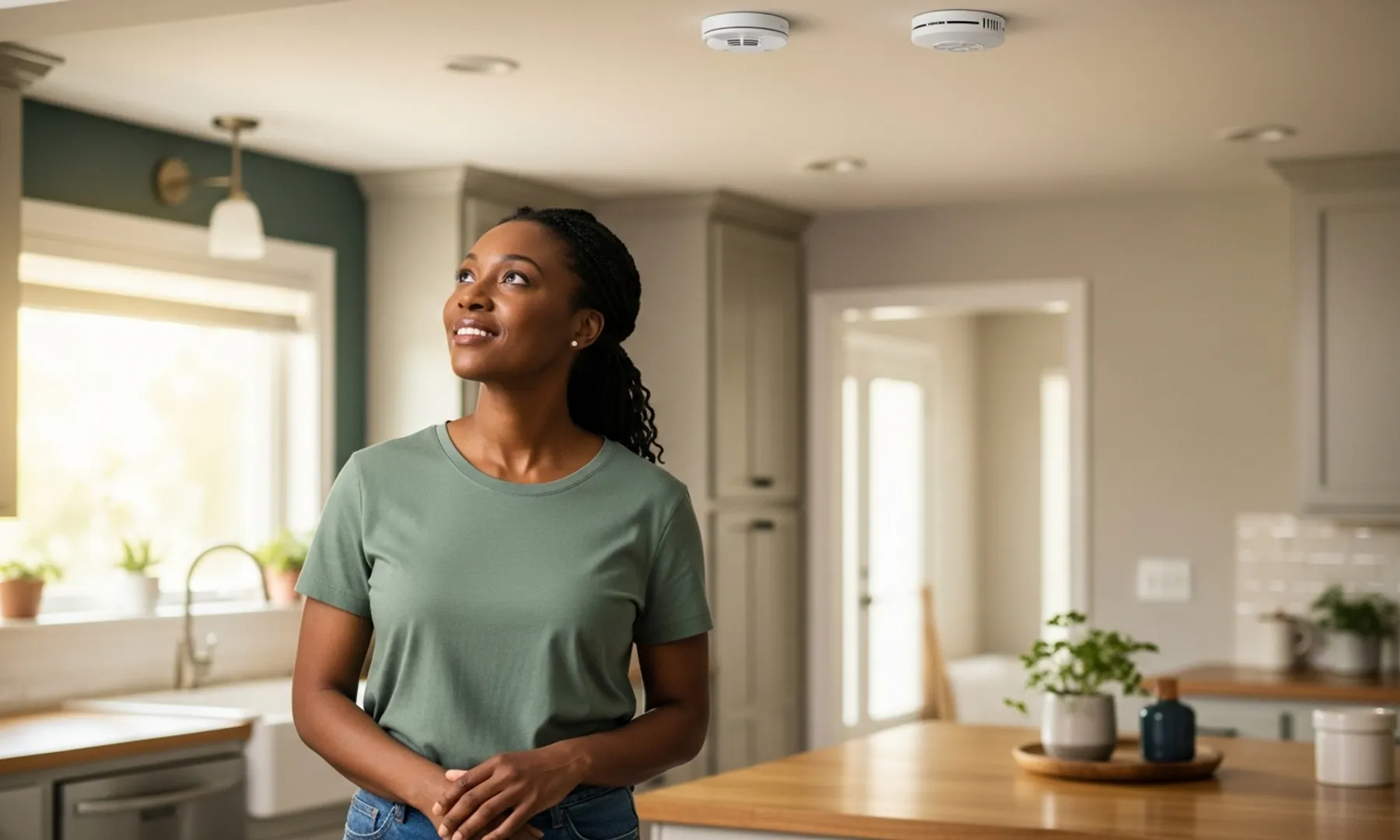
The Unsung Heroes of American Homes
Every year, thousands of American lives are saved, and billions of dollars in property damage are averted, thanks to a range of unassuming devices. These aren't flashy gadgets, but rather the quiet guardians working 24/7 in homes across the country. Many homeowners simply install them and forget them, unaware of their continuous, life-saving impact.
From preventing deadly fires and carbon monoxide poisoning to alerting you to water leaks before they become catastrophic, these devices form a critical layer of protection. Understanding their role and ensuring they are up-to-date can not only safeguard your family but also significantly reduce your home insurance premiums. Let's explore the essential safety tools that are making a real difference.
Smoke Alarms: Your First Line of Defense Against Fire
Smoke alarms are arguably the most crucial home safety device, directly responsible for saving countless lives. The National Fire Protection Association (NFPA) reports that three out of five home fire deaths result from fires in homes with no smoke alarms or no working smoke alarms. This simple device cuts the risk of dying in a home fire by half.
Modern smoke detectors, costing anywhere from $10 for a basic model to $100 for smart versions, offer more than just a loud siren. Many now come with 10-year sealed batteries, eliminating the need for annual battery changes. You can also find interconnected alarms, where if one detects smoke, all alarms in your home sound simultaneously, giving everyone more time to escape. Brands like Kidde and First Alert dominate this market with reliable, affordable options.
Carbon Monoxide Detectors: The Silent Killer's Warning
Carbon monoxide (CO) is an invisible, odorless, and tasteless gas, making it incredibly dangerous. Known as the "silent killer," CO poisoning sends approximately 50,000 Americans to emergency rooms and causes over 400 deaths annually, according to the Centers for Disease Control and Prevention (CDC). A CO detector is your only warning against this threat.
These essential devices typically cost between $20 and $80, often available as combo smoke/CO alarms. Placement is key: install them near sleeping areas and on every level of your home. Unlike smoke, CO spreads evenly, so ceiling or wall placement works.
Many home insurance providers offer discounts for homes equipped with working CO detectors, recognizing the significant risk reduction they provide. It's a small investment with potentially life-saving returns and financial benefits.
Smart Security Systems: Beyond Just Burglars
Today's smart home security systems do far more than deter burglars; they create a comprehensive safety net. Companies like Ring, SimpliSafe, ADT, and Vivint offer systems that integrate various sensors and cameras. A basic DIY setup might cost $150-$500, while professionally installed systems can range from $500 to $1,500+, plus monthly monitoring fees of $10-$60.
These systems include motion sensors, door/window sensors, and even smart cameras with two-way talk. Many also integrate smoke, CO, and water leak detection. Professional monitoring means emergency services are dispatched automatically if an alarm triggers, even when you're away from home. This feature is a major factor in qualifying for significant home insurance discounts, often 5% to 20% off your annual premium.
Water Leak Sensors: Preventing Costly Damage and Mold
Water damage is a leading cause of home insurance claims, averaging $11,098 per claim, according to the Insurance Information Institute. A burst pipe or a slow, undetected leak can cause thousands in repairs and lead to hazardous mold growth. Water leak sensors are a simple, inexpensive solution, typically priced from $25 to $150 each.
These small devices, often placed near water heaters, washing machines, sinks, or in basements, alert you instantly via an app or alarm when moisture is detected. Some advanced systems, like Flo by Moen or LeakSmart, can even shut off your main water supply automatically. Preventing a catastrophic leak can save you immense hassle, preserve your home's structure, and potentially lower your insurance deductible or future rates.
| Device Type | Average Cost (USD) | Key Benefit | Insurance Impact |
|---|---|---|---|
| Basic Leak Sensor | $25 - $75 | Early warning of leaks | May offer small discount or prevent claim increase |
| Smart Leak Sensor | $50 - $150 | App alerts, remote monitoring | Small discount, significant claim prevention |
| Whole-Home Shutoff | $400 - $1,500 | Automatic water shutoff, major damage prevention | Larger discounts (5-10%), prevents major claims |
Fire Extinguishers and Emergency Ladders: Immediate Action Tools
While prevention is key, having tools for immediate action is equally vital. A small kitchen fire can quickly escalate if you don't have an accessible fire extinguisher. These inexpensive devices, usually $20-$60, are rated for different types of fires (A for ordinary combustibles, B for flammable liquids, C for electrical). Every home should have at least one multi-purpose (ABC) extinguisher, especially in the kitchen and garage.
For multi-story homes, emergency escape ladders are often overlooked. Priced from $50 to $150, these portable ladders store compactly and deploy quickly from a window. They provide a crucial escape route if primary exits are blocked by fire. Having a clear escape plan, practiced regularly, combined with these tools, drastically improves survival rates in an emergency.
Radon Detectors: Protecting Against an Invisible Threat
Radon is a naturally occurring radioactive gas that seeps into homes from the ground. It's the second leading cause of lung cancer in the United States, responsible for about 21,000 deaths annually, according to the Environmental Protection Agency (EPA). Yet, many homeowners are unaware of its presence or the simple steps to detect it.
Testing for radon is simple and affordable. Short-term test kits cost $15-$30, while continuous digital monitors, like those from Corentium or Airthings, range from $100-$200. If high levels are detected, mitigation systems, costing $800-$2,500, can effectively reduce radon to safe levels. While not directly tied to immediate insurance discounts, addressing radon protects your family's long-term health, a priceless benefit.
How Home Safety Devices Can Lower Your Insurance Premiums
Insurance companies view homes with advanced safety measures as lower risk, which translates directly into savings for you. Most major insurers, including State Farm, Geico, Progressive, and Allstate, offer discounts for various safety features.
These discounts typically apply to:
- Monitored Security Systems: 5-20% off premiums for systems with professional monitoring.
- Smoke and CO Detectors: Often a smaller discount, 1-5%, but sometimes mandatory for coverage.
- Fire Extinguishers: Some insurers offer a minor discount or require them.
- Water Leak Detection Systems: Especially whole-home shutoff systems, can yield 5-10% discounts.
To claim these savings, you'll need to inform your insurer about your installed devices and provide proof, such as receipts or monitoring contracts. It's worth calling your agent to review your current coverage and discuss potential discounts you might be missing out on.
Building a Safer, Smarter Home: Your Next Steps
Investing in home safety devices is an investment in your family's well-being and your financial peace of mind. These devices, from essential smoke alarms to advanced smart security systems, silently protect against a myriad of threats every single day. Their impact on saving lives and preventing costly damage is undeniable.
Start by assessing your current home safety setup. Are your smoke and CO detectors up to date? Do you have a fire extinguisher in your kitchen? Consider upgrading to smart devices for enhanced monitoring and control. Compare plans on sites like Policygenius or directly with providers to see how much you can save. You might be surprised at how much a few smart additions can improve your home's safety and your insurance bottom line for 2026.