Your family SUV could be costing you $600 more a year in gas than it should. Discover which 2026 models cut fuel costs without sacrificing crucial safety or space, and how to spot critical driver-assist tech.
Finding the Right Family SUV for 2026: Balancing Priorities
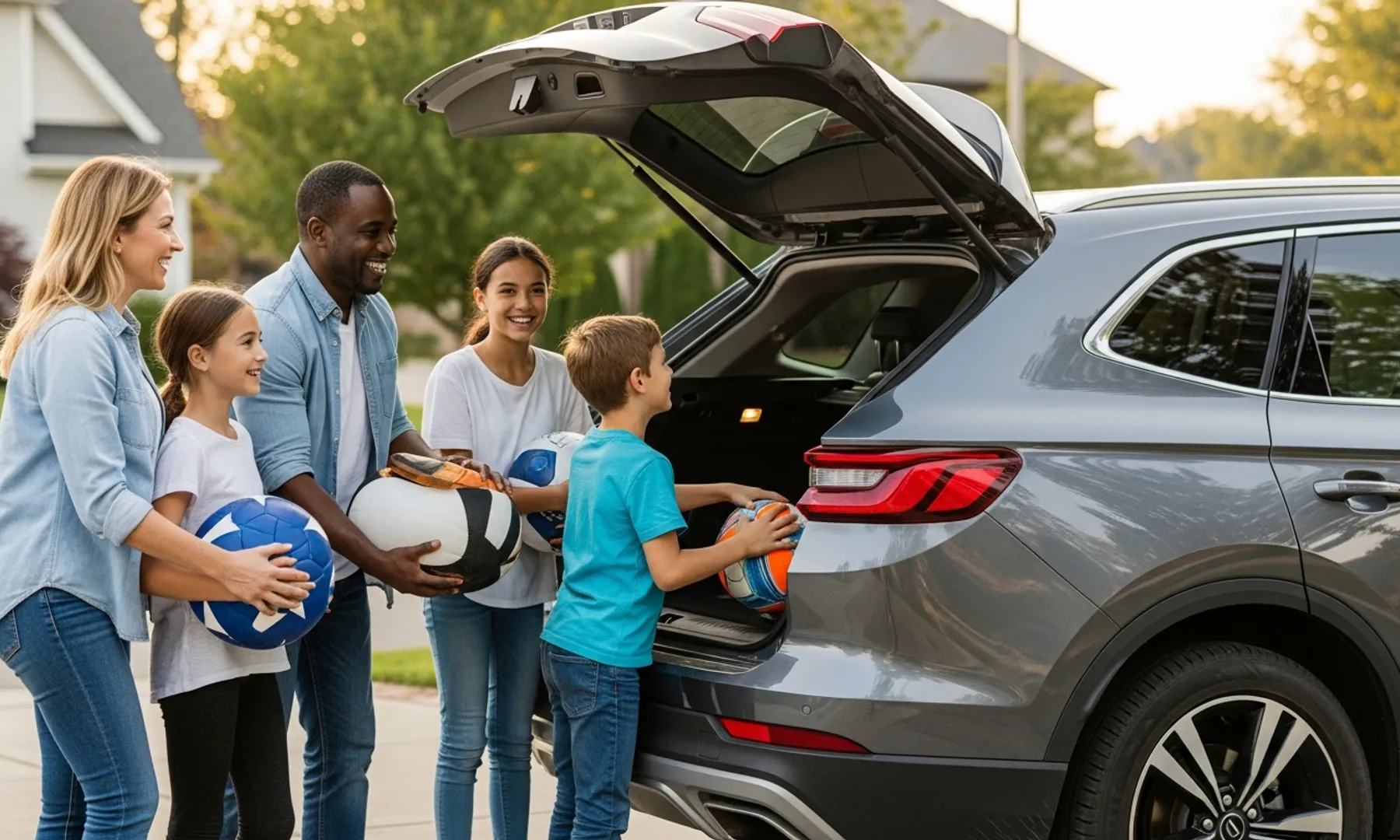
For many American families, the SUV is the heart of daily life. It handles school drop-offs, grocery runs, and those essential long road trips to Grandma's house. But in 2026, choosing the right model means weighing three critical factors: uncompromised safety, ample space for everyone and everything, and smart fuel economy to keep your budget happy.
This isn't just about picking the flashiest model. It's about finding a vehicle that truly fits your family's needs for the next several years. We'll dive into how some of the most popular 2026 family SUVs stack up in these key areas, helping you make an informed decision.
Top Contenders: 2026 Family SUVs Rated
The market for family-friendly SUVs is more competitive than ever, with manufacturers constantly upgrading their offerings. For 2026, several models stand out for their blend of features and value. We've focused on mid-size, three-row SUVs that consistently earn high marks from safety organizations and user reviews.
These vehicles are designed to handle the real-world demands of busy households. From advanced driver-assist systems to flexible cargo configurations, they aim to simplify family logistics.
Detailed Comparison: Safety, Space, and Fuel Economy
When comparing SUVs, the numbers tell a crucial story. Here’s a look at how some leading 2026 models are expected to perform across our key metrics. Keep in mind that exact fuel economy figures can vary with specific trim levels and drivetrain (FWD vs. AWD).
This table highlights the base model's estimated pricing and key statistics. Always check specific configurations for the most accurate details for your local dealer.
2026 Family SUV Comparison Chart
| Model | Est. MSRP Range (2026) | Est. Combined MPG | Max Cargo (cu ft) | 3rd Row Legroom (in) | NHTSA Safety Rating |
|---|---|---|---|---|---|
| Kia Telluride | $38,000 - $54,000 | 22 (20-24) | 87 | 31.4 | 5-Star |
| Honda Pilot | $41,000 - $58,000 | 22 (21-23) | 87 | 32.5 | 5-Star |
| Toyota Highlander | $42,000 - $56,000 | 24 (21-36 Hybrid) | 84 | 28.0 | 5-Star |
| Hyundai Palisade | $37,000 - $53,000 | 22 (20-24) | 86 | 31.4 | 5-Star |
| Chevrolet Traverse | $39,000 - $55,000 | 21 (19-24) | 98 | 33.5 | 5-Star |
| Subaru Ascent | $37,000 - $52,000 | 22 (20-26) | 76 | 31.7 | 5-Star |
*Note: MSRPs are estimates for 2026 models and may vary. MPG ranges reflect FWD/AWD and potential hybrid options. NHTSA ratings are based on typical performance of recent models and projections for 2026.*
Safety First: What to Look for in 2026
Safety isn't just about crash test ratings; it’s about preventing accidents in the first place. For 2026, most family SUVs come standard with a suite of driver-assistance technologies. This includes features like Automatic Emergency Braking (AEB), Lane Keeping Assist (LKA), and Blind-Spot Monitoring (BSM).
But some SUVs offer more advanced systems, often bundled under brand-specific names like Toyota Safety Sense or Honda Sensing. These can include adaptive cruise control that works in stop-and-go traffic, or advanced lane centering. These technologies can significantly reduce driver fatigue on long trips.
Space for Life: Cargo and Passenger Comfort
When you're packing for a weekend getaway or just doing a big grocery haul, every cubic foot of cargo space matters. The Chevrolet Traverse, for example, typically leads its class with nearly 100 cubic feet of maximum cargo volume, making it a strong contender for larger families or those who frequently haul bulky items.
Third-row legroom is another critical factor, especially if you regularly transport older children or adults. While the Honda Pilot and Chevrolet Traverse offer some of the most generous third-row space, models like the Toyota Highlander might feel a bit more cramped for taller passengers in the back. Consider how often that third row will be used and by whom.
- Cargo Capacity (Behind 3rd Row): This is key for everyday use. Look for at least 18-20 cubic feet if you need to carry strollers or sports gear with all seats up.
- Flexible Seating: Many SUVs offer second-row captain's chairs or a removable middle seat, improving access to the third row and providing more comfort for individual passengers.
- Easy Access: Power liftgates and low load floors make loading groceries or gear much less of a chore. Some models even offer hands-free liftgate operation, a true lifesaver when your hands are full.
Fuel Economy: Saving at the Pump in 2026
With gas prices always a concern, fuel economy can significantly impact your annual budget. A difference of just a few MPG can easily translate to hundreds of dollars saved each year. For instance, moving from a 19 MPG SUV to a 24 MPG hybrid could save you over $600 annually, based on 12,000 miles driven and a national average gas price of $3.50 per gallon.
Many manufacturers are now offering hybrid options in their family SUV lineups, like the Toyota Highlander Hybrid. These models often provide a substantial boost in fuel efficiency, particularly in city driving. Even non-hybrid models are becoming more efficient with advanced engine technologies and lighter materials.
When comparing fuel economy, pay attention to the 'combined MPG' figure, which gives you a realistic blend of city and highway driving. Also, consider the impact of all-wheel drive (AWD), which typically reduces fuel efficiency by 1-2 MPG compared to front-wheel drive (FWD).
Overlooked Features That Make a Difference
Beyond the big three factors, several smaller details can greatly enhance your family SUV experience. Don't overlook these practical elements that often go unnoticed during initial research.
- Built-in Sunshades: Rear window shades are invaluable for protecting kids from the sun on long drives.
- Rear Seat Reminders: This safety feature alerts you if you've left something (or someone) in the back seat when you exit the vehicle.
- Multiple USB Ports: With everyone carrying devices, ample charging ports in all rows are a must-have.
- Interior Materials: Stain-resistant fabrics or easy-to-clean leatherette can be a godsend with spills and muddy shoes.
- Cabin Intercom System: Some larger SUVs offer a system to project your voice to the third row without shouting, a real sanity saver.
Making Your Decision: Which SUV is Right for Your Family?
The 'best' family SUV for 2026 ultimately depends on your specific priorities. If maximum cargo and passenger space are paramount, the Chevrolet Traverse or Honda Pilot might be your top choices. If fuel economy is a leading concern, a hybrid option like the Toyota Highlander Hybrid could offer significant long-term savings.
For a strong blend of value, style, and comprehensive safety features, the Kia Telluride and Hyundai Palisade continue to impress. Consider your family's size, your typical driving habits, and your budget carefully. Take the time to test drive a few different models with your family in tow.
Visit your local dealerships and compare 2026 models in person. Don't hesitate to ask about specific safety features, cargo configurations, and real-world fuel economy figures. You can also check rates and available inventory online through various automotive sites.
Disclaimer
The information provided in this article is for general informational purposes only and should not be considered professional advice. While we strive to keep the content accurate and up to date, we make no guarantees of completeness or reliability. Readers should do their own research and consult a qualified professional before making any financial, medical, or purchasing decisions.