Your $160 running shoes could be dead at 250 miles, risking injury and wasting cash. Discover the 10 models whose cushioning truly lasts past 300 miles. Don't buy your next pair until you see this ranking.
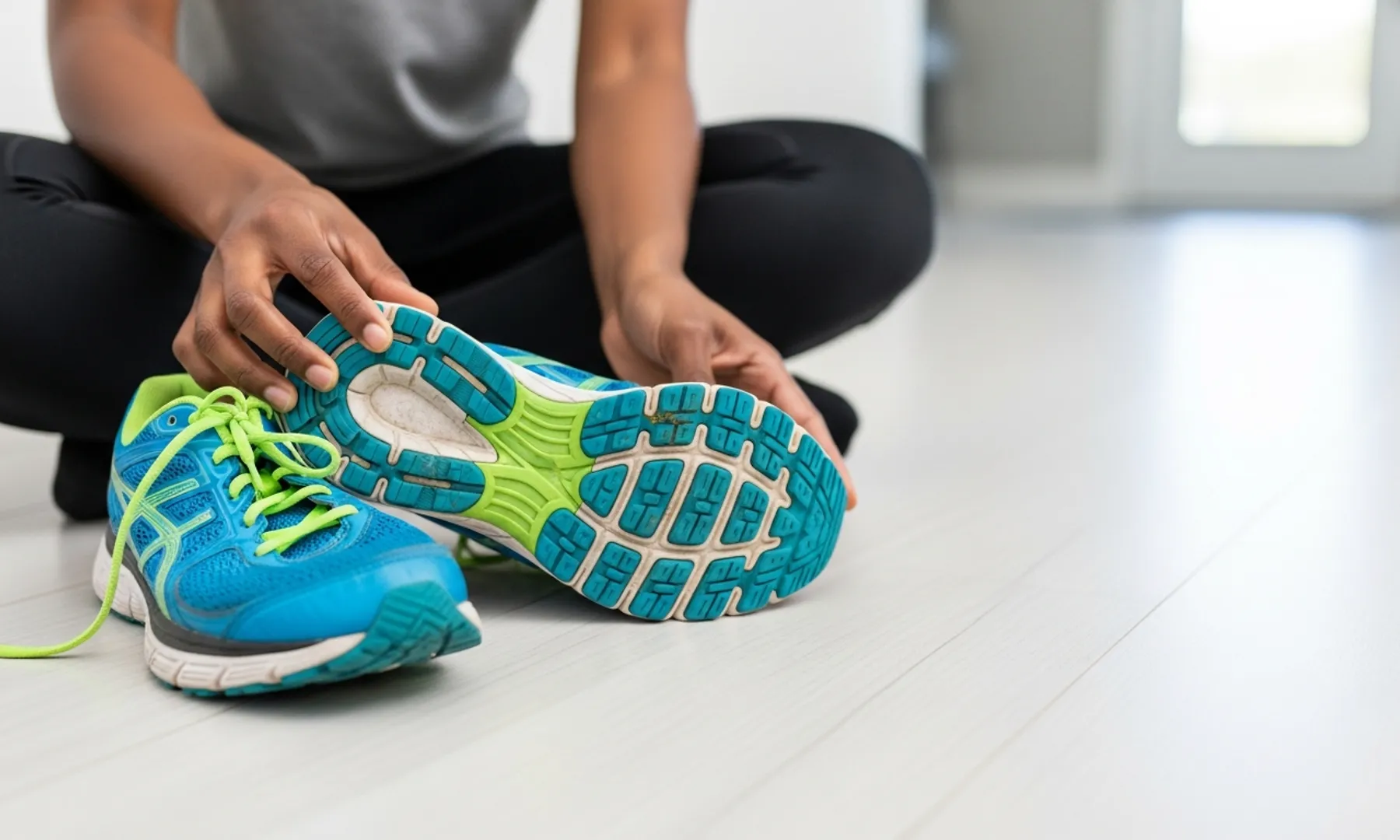
The 300-Mile Question: Protecting Your Feet and Wallet
Most runners spend $150 to $200 on a new pair of shoes, expecting them to last. But what if your expensive cushioning dies long before the rest of the shoe? Many Americans unknowingly risk injury or waste money on shoes that fail prematurely.
After 300 miles, some running shoe cushions feel like new, while others are completely packed out. This article ranks 10 popular running shoes by how well their cushioning holds up.
We'll show you which models offer the best value for your hard-earned dollars and keep your feet happy mile after mile.
Why Cushion Durability Matters (Beyond the Bling)
The plush feel of a new running shoe is fantastic on day one. But that feeling can disappear quickly, leaving you with less protection.
Degraded cushioning increases impact forces on your joints, potentially leading to common runner injuries like shin splints or runner's knee. It's not just about comfort; it's about injury prevention.
And let's be honest, replacing shoes every 200 miles because the cushion is shot is a costly habit. Knowing which shoes truly last helps you budget smarter for your running gear.
Understanding Running Shoe Foam Technology
The secret to cushion durability lies in the foam. Not all foams are created equal, and shoe brands use different blends for various purposes.
Traditional EVA (Ethylene-vinyl acetate) foam is common but can pack out over time, losing its bounce. Next-generation foams like TPU (Thermoplastic polyurethane), such as Adidas' Boost or Saucony's PWRRUN+, offer better energy return and are often more resilient.
PEBA (Polyether block amide), seen in Nike's ZoomX or Saucony's PWRRUN PB, is incredibly light and bouncy but can sometimes be less durable for everyday training. The specific blend and how it's constructed make a huge difference in longevity.
Top 10 Running Shoes for Cushion Durability After 300 Miles (2026 Edition)
Here's our ranking of popular running shoes, focusing specifically on how well their cushioning maintains integrity and responsiveness past the 300-mile mark. This ranking considers general runner feedback and foam material properties.
| Rank | Shoe Model | Brand | Cushion Foam | Estimated Durability (Cushion) |
|---|---|---|---|---|
| 1 | Brooks Ghost 16 | Brooks | DNA LOFT v3 | Excellent (350-450+ miles) |
| 2 | ASICS GEL-Nimbus 26 | ASICS | FF BLAST™ PLUS ECO, PureGEL™ | Excellent (350-450+ miles) |
| 3 | Saucony Ride 17 | Saucony | PWRRUN+ | Very Good (300-400 miles) |
| 4 | New Balance Fresh Foam X 880v14 | New Balance | Fresh Foam X | Very Good (300-400 miles) |
| 5 | Mizuno Wave Rider 28 | Mizuno | Mizuno Enerzy | Good (300-375 miles) |
| 6 | Brooks Glycerin 21 | Brooks | DNA LOFT v3 | Good (300-375 miles) |
| 7 | Hoka Clifton 10 | Hoka | Compression-molded EVA | Moderate (275-350 miles) |
| 8 | Nike Pegasus 41 | Nike | ReactX Foam, Zoom Air | Moderate (250-325 miles) |
| 9 | On Cloudmonster 2 | On | Helion™ Superfoam, CloudTec® | Fair (250-300 miles) |
| 10 | Altra Torin 7 | Altra | EGO™ MAX | Fair (250-300 miles) |
This ranking is a general guide. Your mileage may vary based on your weight, running style, and terrain.
Deep Dive: Our Top 3 Picks for Lasting Cushion
### 1. Brooks Ghost 16
The Brooks Ghost 16 consistently earns top marks for its DNA LOFT v3 cushioning. This nitrogen-infused foam delivers a soft, smooth ride that truly lasts.
Runners often report getting well over 400 miles before the cushioning feels significantly degraded. It's a workhorse for daily training, offering reliable comfort without bottoming out.
### 2. ASICS GEL-Nimbus 26
The ASICS GEL-Nimbus 26 combines FF BLAST™ PLUS ECO foam with strategic PureGEL™ inserts. This setup provides exceptional softness and rebound, which surprisingly endures.
Many runners find the Nimbus maintains its plush feel for hundreds of miles, making it a favorite for long runs and recovery days. It’s an investment, but one that pays off in longevity.
### 3. Saucony Ride 17
Saucony's PWRRUN+ foam in the Ride 17 is a TPU-based material known for its excellent durability. It offers a balanced blend of cushioning and responsiveness.
The Ride 17 feels protective and lively even as the miles add up. It’s a solid choice for runners seeking a versatile daily trainer that doesn't quit after a few months.
Mid-Pack Performers: Reliable Choices That Hold Up
### 4. New Balance Fresh Foam X 880v14
The New Balance Fresh Foam X 880v14 is a consistent performer. Its Fresh Foam X midsole provides a comfortable, slightly firmer ride that holds its structure well.
For many runners, the 880 offers a dependable daily trainer that delivers cushioning and support for 300-400 miles. It’s a great all-around option for varied runs.
### 5. Mizuno Wave Rider 28
Mizuno's Wave Rider 28 uses Mizuno Enerzy foam, known for its decent balance of softness and energy return. The iconic Wave Plate also helps distribute impact.
This shoe offers consistent performance, and its cushioning tends to hold up well into the mid-300-mile range. It’s a favorite among runners who prefer a slightly firmer, more responsive feel.
### 6. Brooks Glycerin 21
The Brooks Glycerin 21 shares the DNA LOFT v3 foam with the Ghost but in a higher stack, super-cushioned package. While extremely comfortable, some runners find its softer nature can lead to perceived quicker packing out compared to the Ghost.
However, it still offers excellent cushion durability, often lasting 300-375 miles. It remains a top choice for maximum comfort over long distances.
The Quick-Faders: When to Expect Cushion Compromise
### 7. Hoka Clifton 10
The Hoka Clifton 10 is beloved for its initial plushness, thanks to its compression-molded EVA foam. However, EVA can be prone to packing out sooner than other materials.
While still a great shoe, many runners notice the cushioning losing its bounce around 275-350 miles. You might feel a slight decrease in responsiveness compared to its first few weeks.
### 8. Nike Pegasus 41
Nike's Pegasus 41 features ReactX Foam and Zoom Air units. The ReactX foam is an improvement in energy return and durability over prior React versions.
Still, some runners find the overall cushioning feel can diminish around 250-325 miles, especially for heavier runners. It remains a versatile shoe, but keep an eye on that midsole feel.
### 9. On Cloudmonster 2
The On Cloudmonster 2 uses Helion™ Superfoam and large CloudTec® elements. While designed for maximum cushioning, the unique pod structure can sometimes lead to inconsistent wear.
Some runners report the individual pods losing their springiness or packing down more quickly, often around the 250-300 mile mark. It's a distinctive ride, but monitor its longevity.
### 10. Altra Torin 7
The Altra Torin 7 features EGO™ MAX foam, offering a balanced and comfortable ride with a zero-drop platform. While comfortable, its durability for heavier runners or high mileage can be a concern.
Cushioning may feel less lively after 250-300 miles. Altra fans appreciate its foot-shaped design, but those prioritizing maximum cushion longevity might need to replace it a bit sooner.
How to Extend Your Running Shoes' Life (Even the Less Durable Ones)
Even with the most durable shoes, a few habits can help you squeeze more miles out of them. First, consider rotating your shoes.
Having two or more pairs allows the foam to fully decompress and recover between runs. This simple trick can add significant life to your entire shoe rotation.
Also, keep your shoes clean and avoid machine washing them, as harsh detergents and high heat can degrade foam. Air dry them away from direct sunlight after wet runs. Store them in a cool, dry place, not stuffed in a hot car after a run in Phoenix, Arizona.
Making Your Next Purchase: Finding Your Durable Match
When you're ready for new running shoes, think about your priorities. Are you a high-mileage runner needing maximum longevity, or do you prefer a super-plush feel that you don't mind replacing sooner?
Consider your body weight and running style. Heavier runners or those with a heavier heel strike might see foam degrade faster. Look for shoes with TPU or PEBA blends if durability is paramount.
Visit your local running specialty store in places like Portland, Oregon, or Boulder, Colorado, where staff can analyze your gait and recommend models. You can also compare current prices and read more detailed reviews online at reputable sites before you buy. Don't forget to check for 2026 models and sales.
Disclaimer
The information provided in this article is for general informational purposes only and should not be considered professional advice. While we strive to keep the content accurate and up to date, we make no guarantees of completeness or reliability. Readers should do their own research and consult a qualified professional before making any financial, medical, or purchasing decisions.