
Certified Used vs Private Seller: Price, Warranty, and Inspection Checklist
Certified used cars cost $2,000-$4,000 more than private sales, but dealer financing at 4.2% APR versus 9.5% personal loans can offset the premium. One warranty claim saves you $1,200 in repairs.
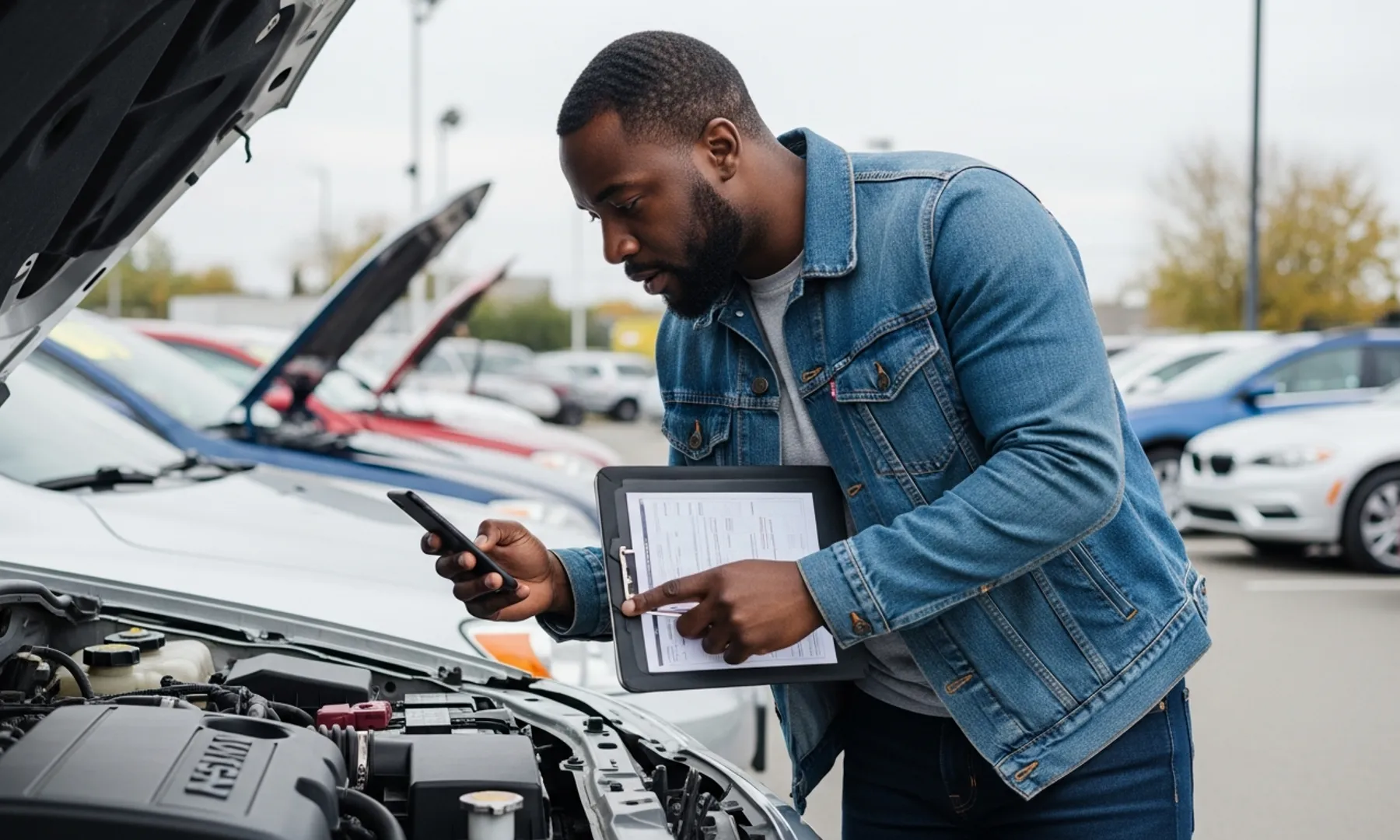
Price Comparison: Certified Used vs Private Seller
Certified pre-owned vehicles typically cost $2,000-$4,000 more than identical cars from private sellers. A 2022 Honda Accord with 35,000 miles might list for $26,500 at a dealership versus $23,800 from a private owner.
But that price gap narrows when you factor in financing. Dealers often offer certified used car loans at 3.9-5.2% APR, while private party purchases usually require personal loans at 7-12% APR or cash.
A $24,000 car financed over 60 months costs $450/month at 4.5% dealer financing versus $475/month at 8% personal loan rates. The monthly payment difference can offset some of the upfront price premium.
Warranty Coverage: What You Actually Get
Certified pre-owned programs extend the original manufacturer warranty by 12-24 months or add 12,000-24,000 miles of coverage. Toyota's certified program adds 12 months/12,000 miles, while BMW extends coverage to 6 years/100,000 miles total.
Private sellers offer zero warranty coverage. You buy the car as-is, meaning any repair costs come out of your pocket immediately.
Certified programs also include roadside assistance, rental car coverage, and trip interruption benefits. These perks can save $200-$400 annually compared to purchasing AAA or similar services separately.
Inspection Standards Comparison
Certified pre-owned vehicles undergo 100-160 point inspections covering engine, transmission, brakes, electrical systems, and interior/exterior condition. Honda's inspection includes 182 specific checkpoints, while Ford's covers 172 items.
Private sellers rely on your inspection or a third-party mechanic. A pre-purchase inspection from a qualified shop costs $150-$300 but only covers what the mechanic can assess in 1-2 hours.
| Inspection Type | Certified Used | Private Seller |
|---|---|---|
| Points Checked | 100-182 items | Buyer arranges own |
| Cost | Included in price | $150-$300 |
| Warranty on Issues | Yes, covered repairs | No coverage |
| Reconditioning | Required before sale | None required |
| Documentation | Full inspection report | Mechanic's opinion only |
Certified programs also require reconditioning. Worn brake pads, old fluids, and minor cosmetic issues get fixed before the car reaches the lot.
Hidden Costs: Documentation and Fees
Dealership purchases include documentation fees ($299-$799), extended warranty pitches, and optional add-ons that can inflate the final price by $1,500-$3,000. Some dealers also charge certification fees of $500-$1,200 on top of the listed price.
Private sales involve title transfer fees ($25-$150 depending on your state), sales tax calculated on the purchase price, and potential costs for notarization or bill of sale documentation.
Registration and taxes apply to both scenarios, but private purchases sometimes allow negotiation on the declared sale price in states without strict documentation requirements. This can reduce your sales tax burden by $200-$800.
You'll also need to arrange your own financing for private purchases, which means loan origination fees ($0-$500) and potentially higher interest rates if your credit score is below 650.
Financing Options and Interest Rates
Certified used cars qualify for manufacturer financing programs with competitive rates. Toyota Financial offers 2.9-4.9% APR on certified vehicles, while Honda Finance ranges from 3.4-5.8% depending on credit score and loan term.
Private party financing requires personal loans, credit union auto loans, or cash. Credit unions typically offer the best private party rates at 4.5-7.2% APR for qualified borrowers.
Your monthly payment difference on a $25,000 purchase over 60 months:
- Certified used at 4.2% APR: $463/month
- Private party at 6.8% APR: $491/month
- Personal loan at 9.5% APR: $525/month
Some banks refuse to finance vehicles over 7-8 years old or with more than 100,000 miles, limiting your private party options. Certified programs typically cover vehicles up to 6 years old with under 80,000 miles.
Return Policies and Consumer Protection
Many certified pre-owned programs include 3-7 day return policies or exchange guarantees. Lexus offers a 10-day return window, while Hyundai provides a 5-day satisfaction guarantee.
Private sales are final. Once you sign the title and hand over payment, you own the car and all its problems. No cooling-off period exists for private vehicle purchases in any US state.
Certified vehicles also come with lemon law protections in most states if the same major issue occurs repeatedly within the warranty period. Private purchases rarely qualify for lemon law coverage.
Vehicle History and Documentation
Certified programs require clean vehicle history reports with no accidents, flood damage, or previous use as rental/fleet vehicles. The certification process automatically includes Carfax or AutoCheck reports.
Private sellers may or may not provide vehicle history reports. You should always run your own Carfax ($39.99) or AutoCheck ($24.99) report using the VIN before purchase.
Red flags in private sales:
- Seller refuses to allow pre-purchase inspection
- Missing or suspicious title documentation
- Price significantly below market value
- Reluctance to meet at their home address
- Cash-only demands for expensive vehicles
Certified vehicles come with all maintenance records and reconditioning documentation. Private sellers often have incomplete service histories or missing paperwork.
When to Choose Each Option
Choose certified used when:
- You want warranty protection and peace of mind
- You prefer dealer financing rates
- You're buying a luxury vehicle where repair costs are high
- You plan to keep the car for 3+ years
- You value return policies and consumer protections
Choose private seller when:
- You have cash or excellent credit for private financing
- You're mechanically knowledgeable or have a trusted mechanic
- You're buying a reliable model with low repair costs
- You want the absolute lowest purchase price
- You're comfortable with as-is purchases
For first-time used car buyers or those unfamiliar with automotive issues, certified pre-owned provides valuable protection worth the premium. Experienced buyers comfortable with risk assessment can save thousands buying private.
Essential Inspection Checklist for Both Options
Before buying any used vehicle, check these items:
- Exterior: Paint consistency, rust spots, panel alignment, tire wear patterns
- Interior: Seat wear, electronic functions, air conditioning, warning lights
- Engine: Oil condition, fluid leaks, unusual noises, exhaust smoke
- Test Drive: Steering responsiveness, brake feel, transmission shifting, highway performance
- Documentation: Title clarity, maintenance records, recall completion
For private purchases, also verify:
- Seller's identity matches title ownership
- Loan payoff amount if financing exists
- Current registration and inspection status
- Insurance requirements in your state
Schedule inspections during daylight hours and bring a flashlight for engine compartment examination. Take photos of any concerns for later reference or negotiation.