US Airline Carry On Size Limits for 2026: Avoid Gate Fees
Most US travelers risk a surprise $75+ gate fee in 2026 due to overlooked carry-on rules. One inch can make the difference. Discover the exact size limits for major airlines and how to measure your bag correctly to save money.
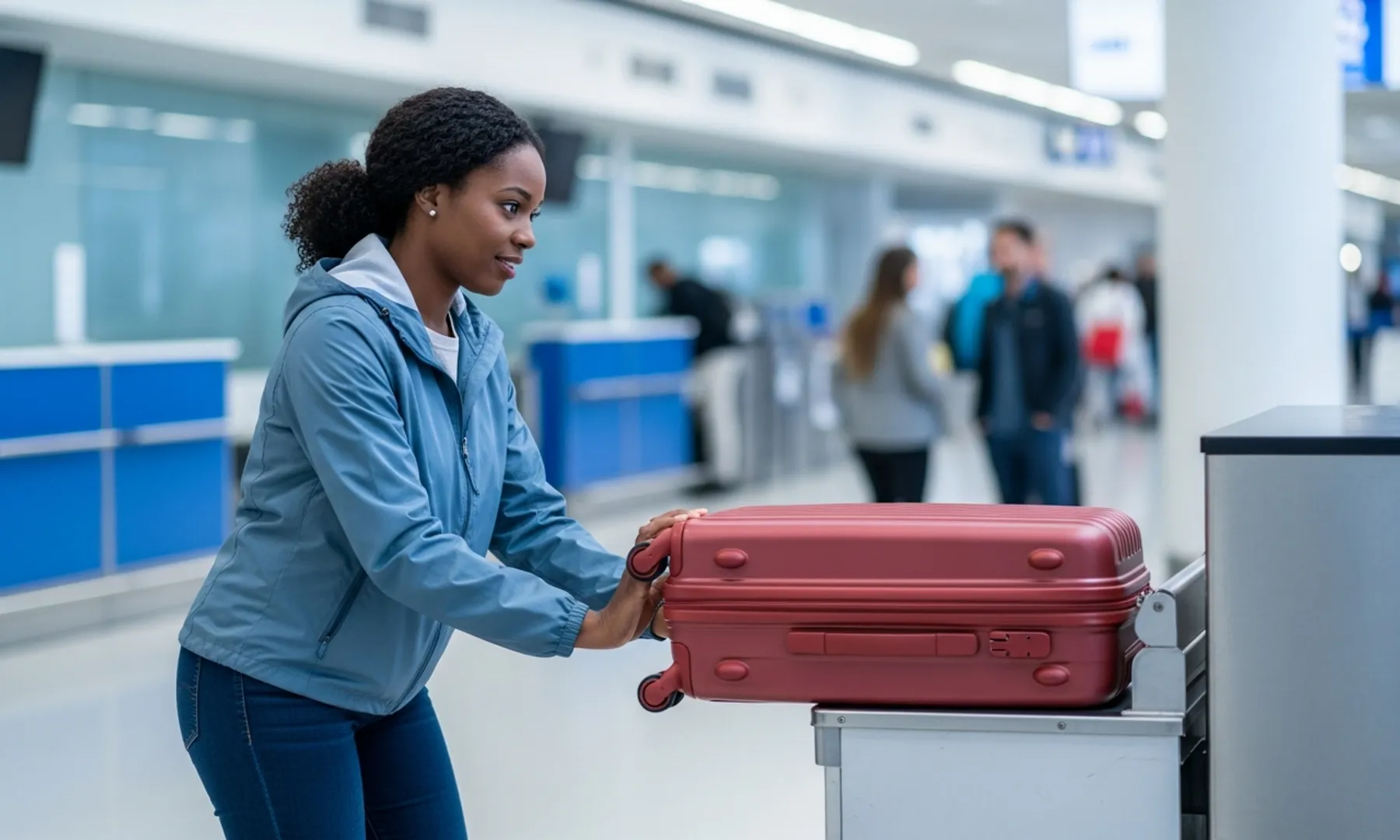
Don't Get Hit with a Surprise $75 Gate Fee in 2026
Planning your 2026 travel around the US? One small oversight could cost you upwards of $75 at the airport gate. Many travelers assume all airline carry-on rules are the same, but slight differences can lead to unexpected charges.
Understanding these specific carry-on size limits is crucial for a smooth journey. This guide helps you navigate the varying policies of major US airlines, ensuring your bag fits every time. You can avoid those frustrating last-minute fees and start your trip stress-free.
The Standard Carry-On Dimensions for Most US Airlines
Most major US airlines adhere to a common carry-on size guideline for the overhead bin. This standard typically allows for bags measuring 22 x 14 x 9 inches (length x width x height).
It's important to remember that these dimensions *include* any handles and wheels. A bag that fits snugly in your closet might be too large once its extendable handle is accounted for. Always measure from the outermost point of all protrusions.
Carry-On Size Limits by Major US Airline (2026)
Airline carry-on policies can shift, but the core dimensions for 2026 are expected to remain consistent with current trends. Always double-check your specific airline's website before flying, especially if you're traveling on a Basic Economy ticket.
Here’s a general overview of carry-on and personal item limits for popular US airlines in 2026. Note that personal item sizes are for bags fitting under the seat in front of you.
| Airline | Max Carry-On (inches) | Max Personal Item (inches) | Notes |
|---|---|---|---|
| American Airlines | 22 x 14 x 9 | 18 x 14 x 8 | Basic Economy allows 1 personal item only. |
| Delta Air Lines | 22 x 14 x 9 | 17 x 13 x 9 | No weight limit, but must fit in sizer. |
| United Airlines | 22 x 14 x 9 | 17 x 10 x 9 | Basic Economy allows 1 personal item only. |
| Southwest Airlines | 24 x 16 x 10 | 18.5 x 8.5 x 13.25 | Generous limits, no weight limit. |
| Alaska Airlines | 22 x 14 x 9 | 18 x 14 x 8 | No weight limit. |
| Spirit Airlines | 22 x 18 x 10 | 18 x 14 x 8 | Carry-on costs extra, personal item is free. |
| Frontier Airlines | 24 x 16 x 10 | 18 x 14 x 8 | Carry-on costs extra, personal item is free. |
| Allegiant Air | 22 x 14 x 9 | 16 x 15 x 7 | Carry-on costs extra, personal item is free. |
These numbers are vital for avoiding gate fees. A bag just an inch too wide can be flagged by a gate agent.
Understanding Personal Item Policies: Your Under-Seat Lifeline
The personal item is your secret weapon for carrying essentials without extra fees. This bag must fit completely under the seat in front of you. Common examples include a backpack, a large purse, a laptop bag, or a small duffel.
While dimensions vary, a typical personal item size is around 18 x 14 x 8 inches. These items are usually free, even on budget airlines like Spirit or Frontier. Strategically packing your personal item can help you avoid checking a bag altogether.
Basic Economy vs. Standard Fares: What You Need to Know for 2026
Many travelers opt for Basic Economy tickets to save money on airfare. However, these fares often come with significant restrictions, especially regarding carry-on luggage. On American, Delta, and United, a Basic Economy ticket usually only includes a free personal item.
If you show up with a carry-on bag on a Basic Economy fare, you'll likely face a hefty fee at the gate. This fee can range from $35 to $100, often more expensive than if you had simply purchased a standard fare or paid for a carry-on in advance. Always check your fare type before packing.
How to Measure Your Carry-On Correctly (Before You Leave Home)
Don't rely on guesswork; measure your bag with a tape measure. Take measurements from the outside edges, including all wheels, handles, and pockets. An overstuffed front pocket can push your bag past the limit.
- Measure Height: From the bottom of the wheels to the top of the handle, even when retracted.
- Measure Width: Across the widest part of the bag.
- Measure Depth: From the front of any exterior pockets to the back of the bag.
Packing Smart: Strategies to Stay Within 2026 Limits
Staying within carry-on limits isn't just about the bag; it's also about how you pack it. Overstuffing can make a compliant bag too bulky to fit the sizer.
- Roll your clothes tightly: This can save significant space compared to folding.
- Use compression packing cubes: These can condense soft items, giving you more room. Just be careful not to make the overall bag too rigid or thick.
- Wear your bulkiest items: If you're flying from a cold climate to a warm one, wear your jacket or heaviest boots on the plane. This frees up precious luggage space.
- Utilize your personal item: Pack heavy electronics, books, or a change of clothes in your personal bag. This also keeps essentials close at hand.
What Happens If Your Bag is Too Big at the Gate?
The moment of truth often comes at the gate. If a gate agent suspects your bag is oversized, they'll ask you to place it in a metal sizer. If it doesn't fit, you're in a tough spot.
Usually, you'll be forced to check the bag. The fee for this gate-checked bag is often higher than if you had checked it at the ticket counter. You could be looking at an unexpected $75 to $100+ charge, adding stress to your departure from LAX or JFK. Some airlines might even have you repack or discard items to make it fit.
Essential Gear: Carry-On Bags That Fit 2026 Rules
Investing in a carry-on bag designed to meet airline specifications can save you headaches. Look for bags specifically marketed as 'carry-on compliant' for major airlines.
- Soft-sided luggage: Often more forgiving than hard-sided bags, as they can compress slightly to fit into tight spaces. Look for durable nylon or polyester.
- Spinner bags: With four wheels, these are easy to maneuver through busy airports like O'Hare or Denver International. Just ensure the wheels don't add too much to the overall height.
- Backpacks: Many travel backpacks are designed to maximize space within carry-on limits. Some can even double as a personal item for budget airlines if they are small enough.
Prioritize lightweight construction to help you stay within potential weight limits, which some international flights or smaller regional jets might enforce.
Your Pre-Flight Checklist: Avoid Carry-On Surprises
Before heading to the airport for your 2026 travels, take a few minutes for this quick checklist. It can save you time, money, and stress.
- Check your airline's specific policy: Even if you've flown them before, policies can change. Look up 'Delta carry-on policy 2026' or 'Southwest baggage rules 2026'.
- Measure your bag: Use a tape measure and include all handles and wheels. Do this when your bag is packed.
- Understand your ticket type: If you bought a Basic Economy fare, confirm what is included for free.
- Weigh your bag (if applicable): Some airlines, particularly international ones or smaller regional carriers, have weight limits for carry-ons.
- Have a backup plan: If your bag is oversized, be prepared to pay the fee or quickly transfer essentials to your personal item.
Taking these steps ensures you're ready for your flight, whether you're traveling for business to New York City or a vacation to Orlando. Compare carry-on luggage dimensions now to avoid any last-minute airport drama.