Non-Owner Car Insurance Hawaii Guide: What You Need to Know in 2026
Many Hawaii drivers borrowing cars risk $10,000+ in out-of-pocket costs after an accident. Discover if non-owner car insurance is your missing shield and how it could save you thousands in 2026.
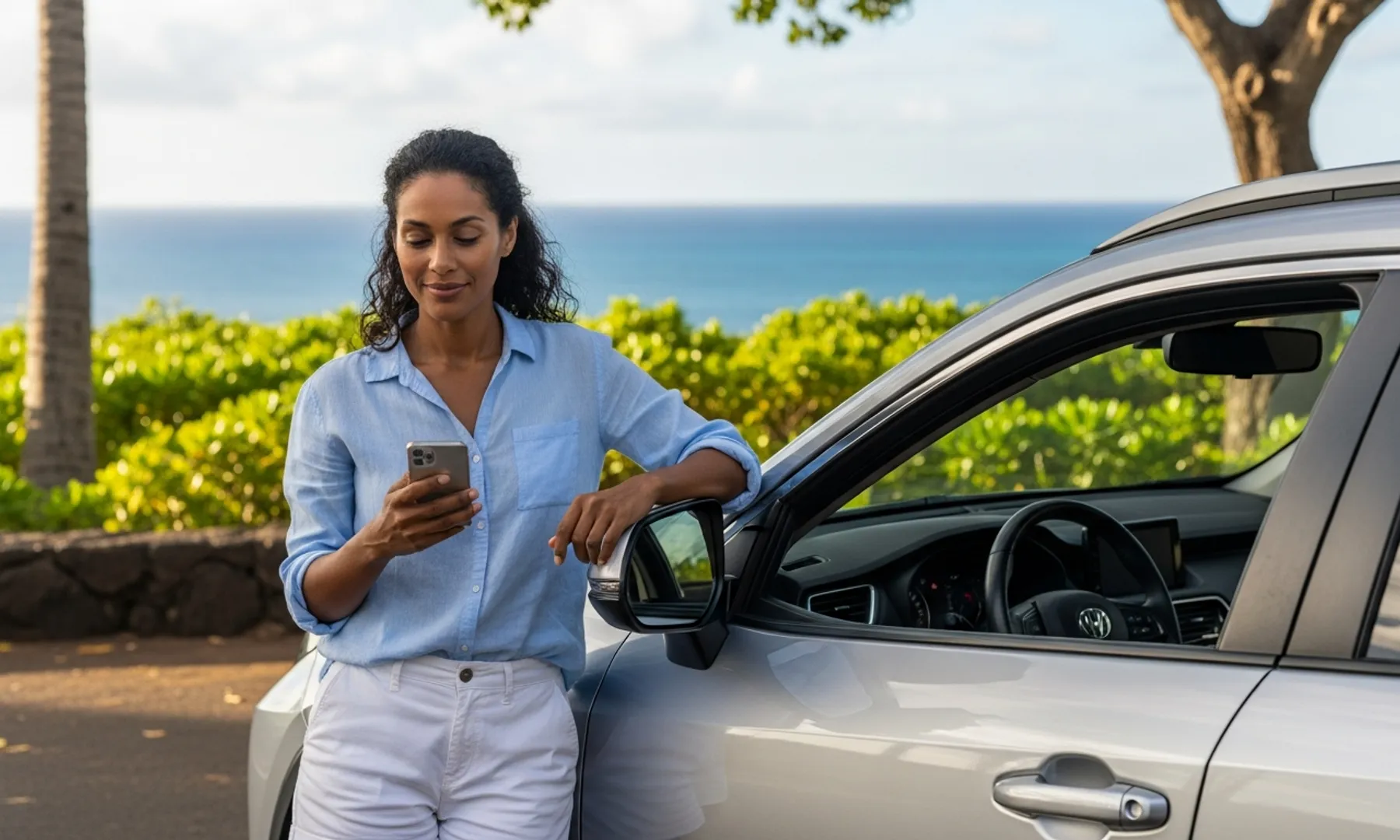
What is Non-Owner Car Insurance in Hawaii?
Non-owner car insurance in Hawaii provides liability coverage for drivers who don't own a vehicle but regularly drive cars belonging to others. This specialized policy steps in to cover damages and injuries you might cause in an accident when you're behind the wheel of someone else's car. It's not about protecting the car you're driving, but rather shielding you from financial responsibility for third-party damages.
Think of it as personal liability coverage that follows you, not a specific vehicle. While Hawaii is a 'no-fault' state, this coverage is still crucial for liability claims. It ensures you meet financial responsibility requirements, even if you don't have a car titled in your name.
Do You Need Non-Owner Car Insurance in Hawaii?
Many Hawaii residents find themselves driving cars they don't own, whether it's a friend's SUV for a weekend trip or a family member's sedan for daily errands. If this sounds like your situation, a non-owner policy might be essential.
Here are common scenarios where this coverage becomes important:
- Regularly borrowing cars: If you frequently drive vehicles owned by friends, family, or your employer.
- Car-sharing services: While services like Turo or Zipcar often provide some coverage, a non-owner policy can offer an extra layer of protection or fill gaps.
- Needing an SR-22: If the state of Hawaii requires you to file an SR-22 certificate of financial responsibility but you don't own a vehicle.
- Renting cars often: It can act as secondary coverage, supplementing the primary insurance from the rental company or your credit card.
Without it, you could face significant out-of-pocket costs after an accident. For example, if you cause a fender bender in a borrowed car, the owner's policy might cover some damages, but your personal liability could still be on the hook for thousands.
Hawaii's No-Fault Laws and Your Non-Owner Policy
Hawaii operates under a 'no-fault' insurance system, which primarily affects how medical expenses are handled after an accident. Under this system, your own insurance typically pays for your medical bills, regardless of who caused the accident.
However, non-owner car insurance in Hawaii still plays a vital role in this landscape. While it doesn't provide personal injury protection (PIP) for *your* medical bills (that's usually tied to the vehicle's policy), it *does* cover your liability for damages you inflict on others. This includes bodily injury to other drivers and passengers, and property damage to their vehicles or other property.
So, if you cause an accident while driving a borrowed car, your non-owner policy would kick in for the other party's damages. It complements the no-fault system by addressing the 'at-fault' component for property and serious bodily injury claims.
What Non-Owner Car Insurance Covers (and Doesn't Cover)
Understanding the specific protections of a non-owner policy is crucial to avoid surprises. This type of insurance is focused solely on liability.
| Coverage Type | What It Does | What It Doesn't Do |
|---|---|---|
| Bodily Injury Liability | Pays for medical expenses, lost wages, and pain and suffering for others if you cause an accident. | Pay for your own medical bills or injuries (that's typically covered by the vehicle's PIP). |
| Property Damage Liability | Covers repairs or replacement of another person's vehicle or property you damage in an accident. | Cover damage to the car you are driving. This is a common misunderstanding. |
| Uninsured/Underinsured Motorist | (Optional) Covers your injuries/damages if an uninsured or underinsured driver hits you. | Cover damage to the car you are driving if hit by an uninsured driver (again, not vehicle specific). |
It's important to note that non-owner insurance does not include collision or comprehensive coverage. This means it won't pay for repairs to the car you're driving if it gets damaged, stolen, or vandalized. That responsibility typically falls on the vehicle owner's policy or your personal funds.
SR-22 Requirements in Hawaii Without a Car
If you've had a serious driving offense in Hawaii, such as a DUI, driving without insurance, or an at-fault accident without sufficient coverage, the state may require you to file an SR-22 form. This certificate proves you carry the state-mandated minimum liability insurance.
But what happens if you need an SR-22 in Hawaii but don't own a car? This is a common dilemma. A non-owner SR-22 insurance policy is specifically designed for this situation. It fulfills the state's requirement by providing proof of financial responsibility, even though you don't have a vehicle to insure.
How Much Does Non-Owner Car Insurance Cost in Hawaii?
The cost of non-owner car insurance in Hawaii is typically more affordable than a standard auto policy, as it only covers liability. In 2026, you might expect to pay anywhere from $30 to $75 per month, though rates vary significantly.
Several factors influence your premium:
- Your driving record: A clean record with no accidents or violations will lead to lower rates.
- Your age and experience: Younger, less experienced drivers often face higher premiums.
- Coverage limits: Opting for higher liability limits (beyond Hawaii's minimums of 20/40/10) will increase your cost.
- Location within Hawaii: Rates can differ between urban areas like Honolulu and more rural parts of the islands.
- Credit history: In many states, including Hawaii, your credit-based insurance score can impact premiums.
Always remember to compare quotes from multiple providers to find the most competitive rate for your specific situation. Even a few dollars difference each month adds up over a year.
Finding Affordable Non-Owner Car Insurance in Hawaii
Shopping for non-owner car insurance in Hawaii requires a strategic approach to secure the best rates. Start by gathering quotes from several insurance carriers.
Many major national insurers that operate in Hawaii offer non-owner policies. These include companies like Geico, Progressive, State Farm, and Allstate. You might also find options through independent insurance agents who work with multiple providers.
Here's a quick guide to comparing policies:
- Determine your required coverage: Decide on your liability limits. Hawaii's minimums are $20,000 for bodily injury per person, $40,000 for bodily injury per accident, and $10,000 for property damage per accident. Consider higher limits for better protection.
- Gather your information: Have your driver's license number, driving history, and any SR-22 requirements ready.
- Get multiple quotes: Contact at least three to five different insurance companies or use an online comparison tool.
- Compare apples to apples: Ensure each quote reflects the same coverage limits and deductible options.
- Ask about discounts: Inquire about potential discounts for safe driving, bundling with other policies (like renters insurance), or taking defensive driving courses.
Even a small difference in premiums can save you hundreds of dollars annually.
Common Questions About Non-Owner Insurance in Hawaii
Many drivers have specific questions about how non-owner insurance works in real-world situations. Let's tackle some of the most frequent ones.
- What if the car owner has insurance? Your non-owner policy typically acts as secondary coverage. If the car owner's policy limits are exhausted, your non-owner policy would then kick in to cover remaining damages, up to its own limits. In some cases, if the owner's policy lapses, your non-owner policy could become primary.
- Does it cover rental cars? Yes, non-owner insurance generally extends to rental cars. It provides liability coverage, but remember it won't cover damage to the rental vehicle itself. You might still consider the rental company's collision damage waiver for that.
- Does it cover business use or ridesharing? Generally, no. Standard non-owner policies are for personal use. If you drive for a ridesharing service like Uber or Lyft, you'll need specific commercial or rideshare endorsements, as their company policies might have gaps.
- Can I get non-owner insurance if I have a suspended license? You can often purchase a non-owner policy with a suspended license if you need to file an SR-22. However, you cannot legally drive until your license is reinstated.
Your Next Steps for Protection in Hawaii
Understanding non-owner car insurance is the first step toward protecting yourself on Hawaii's roads, especially if you don't own a vehicle. This specialized policy can prevent significant financial hardship should you be involved in an accident while driving someone else's car.
To ensure you're adequately covered in 2026, take action today. Start by assessing your driving habits: how often do you borrow cars or use car-sharing services? Then, compare non-owner car insurance quotes from leading providers like Geico and Progressive. You can easily check rates online or speak with a local Hawaii insurance agent to discuss your specific needs. Securing this coverage means peace of mind, knowing you're financially protected against liability claims.