The Pool Cleaners That Handle Leaves Algae and Fine Debris Without Needing Help
Most pool owners lose hundreds each year battling leaves, algae, and fine debris. Your 'automatic' cleaner might be failing you. Discover the 2026 models that truly work without your help, saving you money and endless scrubbing.
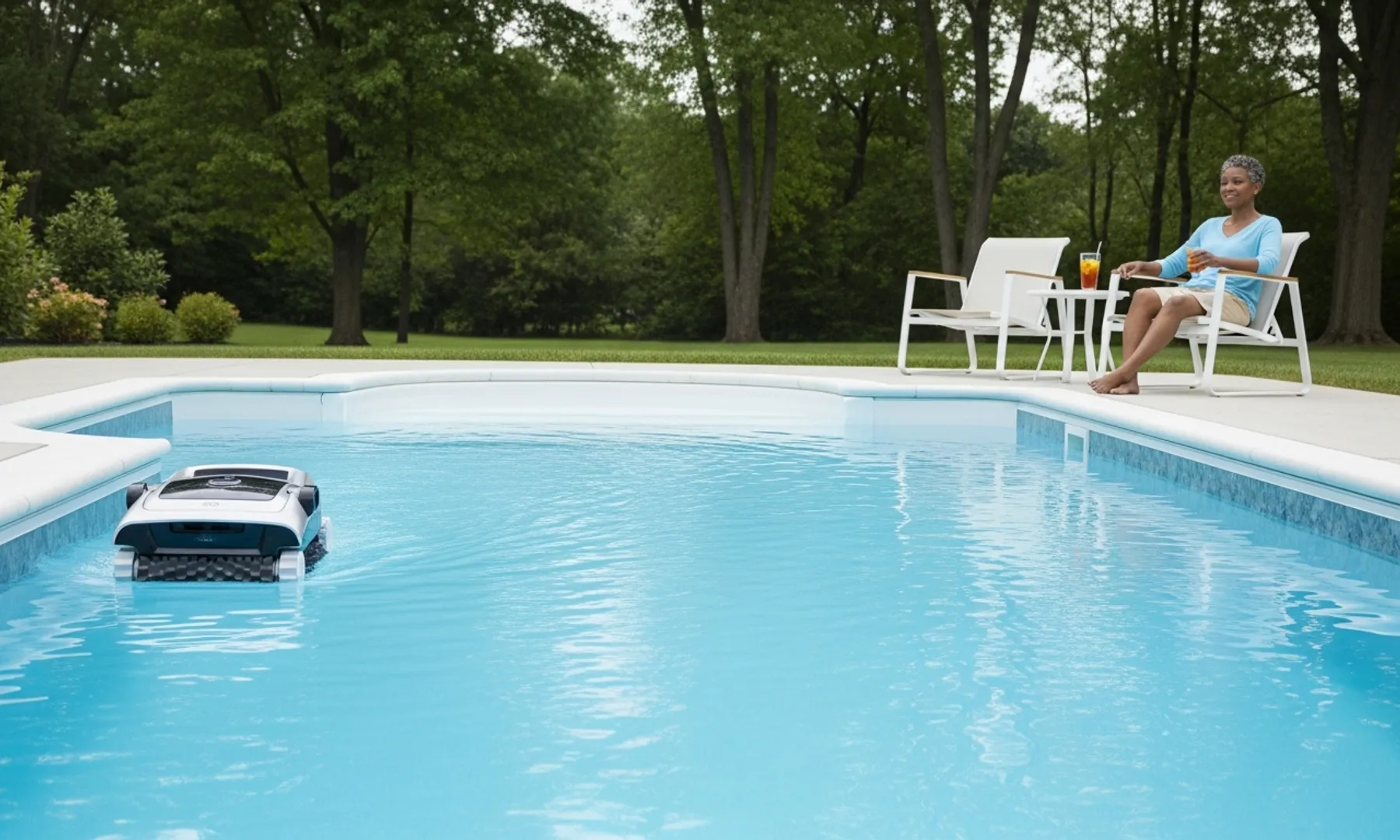
Stop Scrubbing: The True 'Hands-Off' Pool Cleaners for Every Debris Type
Your backyard pool in Texas or Florida should be a source of relaxation, not another chore. But if you're constantly skimming leaves, brushing away algae, or vacuuming fine silt, your current pool cleaner isn't earning its keep. Many homeowners spend hundreds each year on chemicals and manual labor because their automatic cleaner misses crucial debris.
This guide cuts through the marketing hype to reveal the pool cleaners that genuinely handle leaves, algae, and fine debris with minimal human intervention. We'll explore the types of cleaners that deliver on the promise of a truly self-sufficient sparkling pool. You might be surprised which models can save you time and money.
Robotic Pool Cleaners: The Autonomous Solution for All Debris
Robotic pool cleaners are the closest you'll get to a completely hands-off experience. These intelligent devices operate independently, powered by electricity, and feature their own internal filtration systems. They don't rely on your pool's pump or filter, which can significantly reduce your energy bill – sometimes by as much as $100-$200 per year for a typical homeowner in Arizona.
They excel at tackling all three major debris types: leaves, algae, and fine particles. Their powerful brushes scrub away stubborn algae from surfaces, while strong suction pulls in both large leaves and microscopic dust. Most models include advanced navigation systems to ensure thorough coverage of your pool floor and walls.
Top Robotic Pool Cleaners for Leaves, Algae, and Fine Debris (2026)
When comparing robotic cleaners, key features like filter capacity, brush type, and smart navigation make a big difference. Prices typically range from $700 to $1,800 for models that truly handle diverse debris. Here are some top contenders widely available in the US:
| Model | Debris Specialty | Features for Autonomy | Average Price (USD) |
|---|---|---|---|
| Dolphin Nautilus CC Plus | Leaves, Fine Debris | Wall climbing, large filter basket, anti-tangle swivel cable | $799 |
| Polaris EPIC 8640 | Algae, Fine Debris | Cyclonic vacuum, scrubbing brush, smart mapping | $1,299 |
| Hayward AquaVac 600 | Leaves, Algae, Fine Debris | HexaDrive™ traction, adaptive steering, large debris canister | $1,099 |
| Pentair Prowler 930W | All Debris, Cordless | Cordless design, powerful suction, active scrubbing brush | $1,799 |
The Dolphin Nautilus CC Plus is a popular choice for its balance of performance and price, especially for larger debris. For ultimate convenience and freedom from cords, the Pentair Prowler 930W offers impressive cleaning power.
Pressure-Side Pool Cleaners: Powering Through Heavy Leaf Loads
Pressure-side pool cleaners connect to a dedicated pressure line from your pool pump, or a booster pump, using the water's force to propel them and create suction. They are particularly effective at picking up large debris like leaves, acorns, and pebbles. If your yard in North Carolina is surrounded by mature trees, a pressure-side cleaner can be a lifesaver.
These cleaners often come with their own filter bag or canister, meaning they don't send debris to your pool's main filter. This helps extend the life of your primary filtration system. However, they typically require a booster pump, which adds to the initial cost and energy consumption.
While excellent for leaves, their ability to scrub algae or capture very fine silt can be limited compared to robotic models. They use a sweeping motion rather than direct scrubbing brushes.
Recommended Pressure-Side Cleaners for Heavy Leaf Zones
For pools constantly battling heavy leaf fall, a robust pressure-side cleaner can keep your water clear with minimal effort. They generally range from $400 to $900, plus the cost of a booster pump if you don't have one.
| Model | Leaf Handling | Algae/Fine Debris Capability | Booster Pump Required? |
|---|---|---|---|
| Polaris 280 | Excellent (large bag) | Fair (sweeps, doesn't scrub) | Yes |
| Pentair Legend II | Very Good (large intake) | Fair (some agitation) | Yes |
| Zodiac Vac-Sweep 380 | Excellent (large bag) | Fair (sweeps) | Yes |
The Polaris 280 remains a gold standard for its durability and powerful leaf collection. Many pool owners in states like Georgia or Louisiana rely on it during peak hurricane season debris.
Suction-Side Pool Cleaners: Budget-Friendly for Everyday Fine Debris
Suction-side pool cleaners are the most affordable and simplest type to install, connecting directly to your pool's skimmer or a dedicated suction line. They use your pool pump's suction to move around and pull in debris. They are generally effective for everyday dirt, sand, and smaller leaves.
These cleaners are often quiet and have very few moving parts, making them durable and easy to maintain. However, they send all collected debris directly to your pool's filter, which means more frequent backwashing or cartridge cleaning. They also tend to be less effective against stubborn algae or very large leaf accumulations.
If you have a relatively clean pool with mostly fine dust and occasional small leaves, a suction-side cleaner can maintain clarity without much fuss. They are a popular choice for homeowners in drier climates like Southern California, where dust and sand are common issues.
Best Suction-Side Cleaners for Everyday Dirt and Small Leaves
While not as autonomous for heavy debris as robots, some suction-side cleaners do a fantastic job with routine maintenance. These often cost between $200 and $500.
| Model | Debris Focus | Autonomy Level | Price Range (USD) |
|---|---|---|---|
| Hayward PoolVac XL | Fine debris, small leaves | Good (random pattern) | $350 - $450 |
| Pentair Kreepy Krauly | Fine debris, medium leaves | Good (programmed pattern) | $299 - $399 |
| Zodiac G3 | Fine debris, small to medium leaves | Good (simple, durable) | $250 - $350 |
The Zodiac G3 is a workhorse, known for its reliability and ability to handle various pool surfaces. Its simple design means fewer parts to break, offering consistent cleaning for years.
Choosing Your Truly 'Hands-Off' Cleaner: What's Right for Your Pool?
Selecting the right pool cleaner depends on your specific pool challenges. Are you battling relentless oak leaves in autumn? Is green algae a constant struggle in the humid summer? Or is it just a layer of fine dust and pollen from spring?
If your primary concern is heavy leaves and large debris, a pressure-side cleaner like the Polaris 280 is a strong contender. They are built to vacuum up large volumes quickly. But be ready for the booster pump's energy use.
For stubborn algae and very fine silt, a robotic pool cleaner is unmatched. Their independent scrubbing brushes and fine filtration systems ensure a truly clean surface and crystal-clear water. Models like the Polaris EPIC 8640 or Hayward AquaVac 600 offer superior performance here.
If you need a cleaner that handles all three – leaves, algae, and fine debris – with maximum autonomy and energy efficiency, a robotic pool cleaner is your best investment. While the upfront cost is higher, the long-term savings in energy, chemicals, and your own time are substantial. The Dolphin Nautilus CC Plus is a great entry point into this category.
Consider your pool's size and shape, too. Robotic cleaners with smart mapping excel in complex pools, while simpler suction cleaners are fine for smaller, basic shapes. Look for warranty length and local service options before you buy.
Maintaining Your Automatic Cleaner for Peak Performance
Even the most autonomous pool cleaner needs a little attention to stay 'hands-off.' Regular maintenance ensures it continues to tackle leaves, algae, and fine debris effectively.
- Empty Debris Baskets/Bags Frequently: This is the most crucial step. A full basket reduces suction and overall cleaning efficiency.
- Clean Filters Regularly: Rinse robotic cleaner filters or pressure cleaner bags after each use. For suction cleaners, backwash your main filter more often.
- Inspect Brushes and Hoses: Check for wear and tear on brushes, tracks, or hoses. Worn brushes won't scrub algae effectively, and damaged hoses can reduce suction.
- Store Properly: If you live in a colder climate like Minnesota, store your cleaner indoors during the off-season. This extends its lifespan.
By following these simple steps, your automatic pool cleaner can continue to deliver a sparkling pool without needing your constant help. Compare robotic pool cleaner models online to find the best fit for your home.