Spending $700+ on an air purifier might seem excessive, but is it actually saving your health or just your wallet? Discover if Dyson's premium features truly justify the price tag in 2026, or if you're overpaying for clean air.
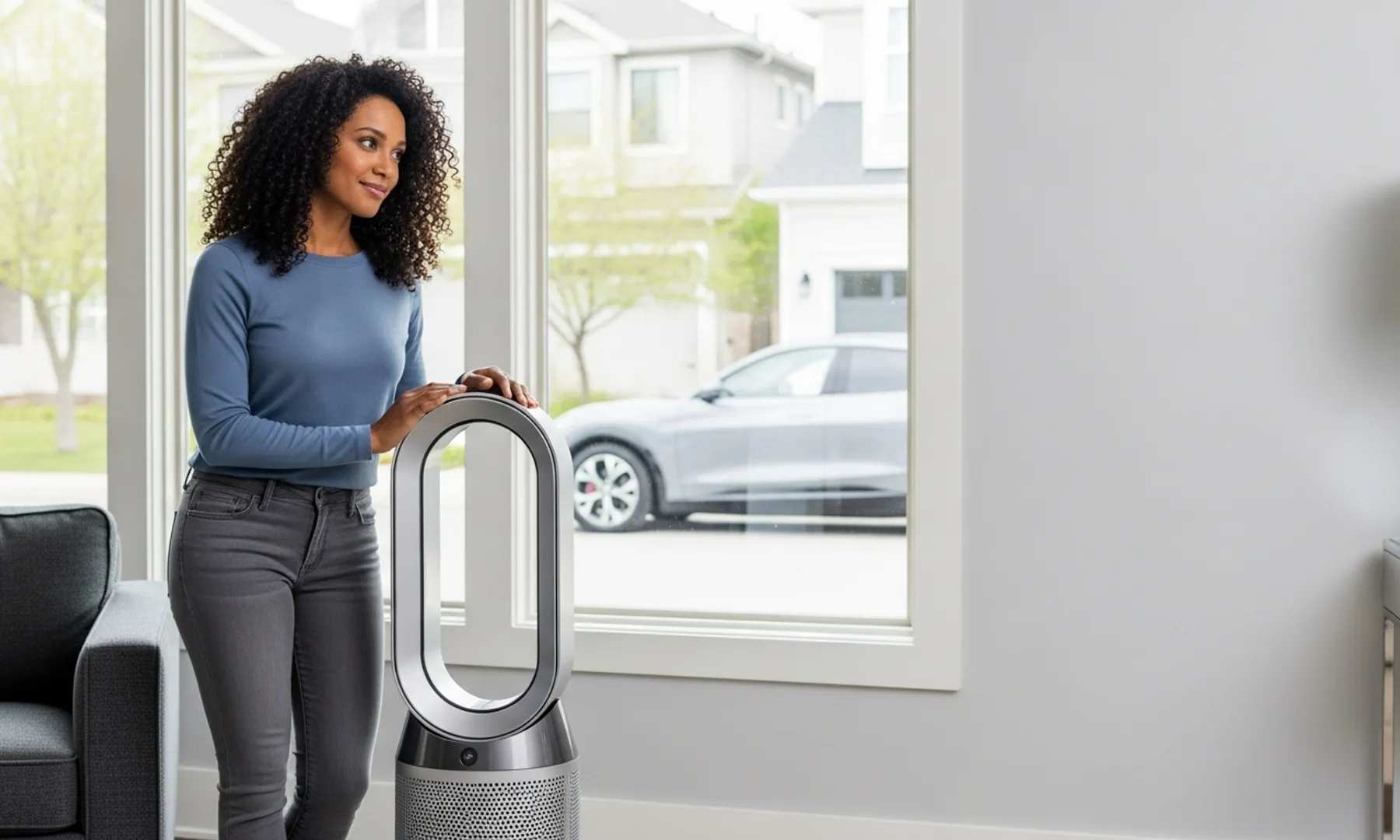
The Dyson Dilemma: Is Premium Air Worth the Price in 2026?
In 2026, Dyson air purifiers continue to command a premium price tag, often ranging from $500 to over $1,000. For many American households, this investment raises a crucial question: are they truly worth it? The direct answer is complex, hinging on your specific needs, budget, and priorities for indoor air quality.
While Dyson offers advanced filtration, sleek designs, and smart features, their value isn't universal. For some, the integrated heating, cooling, and meticulous air quality monitoring justify the cost. For others, more budget-friendly alternatives can deliver comparable air purification performance without the added expense.
What Makes a Dyson Air Purifier 'Premium'? Design, Tech, & Functionality
Dyson has built its reputation on innovative engineering and distinctive aesthetics. Their air purifiers are no exception, often doubling as statement pieces in a living room or office. But beyond looks, a few key elements contribute to their premium status.
Many Dyson models integrate multiple functions, combining air purification with heating or cooling capabilities. This multi-functionality can save space and reduce the need for separate appliances, especially in smaller apartments or offices in cities like New York or Los Angeles. Advanced sensors detect pollutants like particulate matter, volatile organic compounds (VOCs), and even formaldehyde, providing real-time air quality data through an accompanying app.
Dyson's Core Technology: Filtration & Beyond
At the heart of any air purifier is its filtration system. Dyson units typically feature a sealed HEPA and activated carbon filter system. This combination is designed to capture 99.97% of airborne particles as small as 0.3 microns, including allergens, pollen, mold spores, and pet dander.
The activated carbon layer targets gases, odors, and VOCs, which can originate from cleaning products, paints, or even vehicle exhaust fumes that seep into homes, especially for those living near busy roads or with attached garages. Many newer Dyson models also include a catalytic filter specifically engineered to continuously destroy formaldehyde, a common indoor pollutant from furniture and building materials. This advanced filtration suite is a significant differentiator for Dyson, offering comprehensive protection against a wide range of airborne threats.
The True Cost of Ownership: More Than Just the Initial Price Tag
When evaluating if a Dyson is worth it, consider the total cost of ownership over several years, not just the upfront purchase. A Dyson Purifier Cool, for instance, might cost around $650, while a Purifier Hot+Cool Formaldehyde can exceed $950. This initial outlay is just the beginning.
Filter replacement is an ongoing expense. Dyson filters typically last about 12 months with average use, and a replacement filter set can cost $80-$100 or more. Over five years, that adds an extra $400-$500 to your total cost. Energy consumption is also a factor, though most modern air purifiers are relatively energy efficient. Dyson models often consume between 6 to 40 watts, depending on the fan speed and additional functions like heating. While not a huge expense annually, it's a factor to consider alongside your general household utility budget in states like Texas or California, where energy costs can fluctuate.
Dyson vs. Key Competitors: A 2026 Market Comparison
To truly gauge Dyson's worth, it's essential to compare it against leading alternatives available in 2026. Many competitors offer excellent filtration at various price points, often focusing purely on air purification without the extra features.
Consider popular brands like Coway, Levoit, and Blueair. These brands often provide high CADR (Clean Air Delivery Rate) values, indicating how quickly they clean a room, and use robust HEPA and carbon filters. Here's a quick look at how they stack up in 2026 for a typical mid-sized room (around 400-500 sq ft):
When a Dyson Air Purifier *Is* Worth the Investment
For certain individuals and households, a Dyson air purifier truly delivers on its promise of value. If you fall into one of these categories, the higher price tag might be a sound investment in 2026.
- Severe Allergy or Asthma Sufferers: The meticulous filtration, including formaldehyde destruction in some models, can make a noticeable difference for those with chronic respiratory issues. When every breath counts, the advanced sensors and comprehensive pollutant removal can be invaluable. Consider someone in Phoenix with severe desert allergies who needs consistent, high-quality air.
- Seeking Multi-Functionality: If you need both an air purifier and a fan or heater, a Dyson Hot+Cool model combines these into one elegant unit. This saves space and simplifies controls, perfect for smaller rooms or open-plan living areas. It's a convenient solution for those who appreciate integrated appliances.
- Design-Conscious Consumers: Dyson products are known for their distinctive, often sculptural designs. If aesthetics are a priority and you want an appliance that blends seamlessly with modern decor, a Dyson might be worth the splurge. It’s an appliance that acts as a conversation piece, much like a premium car model in your driveway.
- Smart Home Enthusiasts: Dyson purifiers integrate well with smart home ecosystems like Amazon Alexa or Google Assistant. The Dyson Link app provides detailed air quality reports, remote control, and scheduling features. For those who manage their home environment through smart devices, this connectivity is a major plus.
- Targeting Specific Pollutants: If you have specific concerns like formaldehyde from new furniture or renovations, or consistently high VOC levels, the dedicated catalytic filter in some Dyson models offers a unique advantage. This is especially relevant for homeowners who recently moved into a new build or refurbished a garage space for car projects, where off-gassing can be an issue.
When Cheaper Alternatives Offer Better Value
Despite Dyson's innovations, there are many situations where a less expensive air purifier will serve your needs just as well, if not better. It's about matching the product to your real-world requirements.
- Budget-Conscious Buyers: If spending $200-$300 on an air purifier is more aligned with your financial plan, brands like Levoit and Coway offer excellent HEPA filtration and good CADR ratings. They effectively remove common allergens and particles without breaking the bank. You can still achieve clean air without the premium features.
- Basic Air Quality Needs: For general dust, pet dander, or pollen removal, many mid-range purifiers perform admirably. If you don't require heating, cooling, or precise formaldehyde detection, a dedicated air purifier like the Coway Airmega 200M will do the job efficiently. It gets the job done without the extra bells and whistles.
- Larger Spaces Requiring Multiple Units: If you need to purify air in several rooms, buying multiple less expensive units often makes more sense financially than one or two Dysons. For example, two Levoit Core 400S units for $400-$560 could cover more square footage than a single Dyson unit for $650-$950.
- Prioritizing Raw Purification Power: Some high-CADR, no-frills air purifiers from brands like Honeywell or Rabbit Air may offer faster air cleaning for their price point, especially in larger rooms. If your primary goal is rapid air turnover and filtration, these options can be more efficient in terms of pure performance per dollar.
Key Factors to Consider Before You Buy in 2026
Before making a purchase decision in 2026, take a moment to assess what truly matters for your home air quality. This thoughtful approach ensures you get the best value for your money.
- Room Size (CADR): Always match the purifier's Clean Air Delivery Rate (CADR) to your room's square footage. A higher CADR means faster cleaning. Don't overspend on an oversized unit for a small bedroom, or underspend on an undersized unit for an open-concept living space in a Dallas home.
- Noise Level: Air purifiers run constantly, so noise is important. Check the decibel (dB) ratings, especially for units in bedrooms or offices. Dyson tends to be quieter at lower settings, but all fans make noise at max speed.
- Filter Availability and Cost: Research the cost and lifespan of replacement filters. A cheap initial purchase can become expensive if filters are proprietary and costly. Factor in the annual maintenance budget.
- Smart Features & App Integration: Decide if remote control, air quality monitoring, and smart home connectivity are essential for your lifestyle. If you're someone who tracks vehicle diagnostics, you might appreciate the detailed air quality data.
- Warranty and Customer Support: A good warranty (Dyson typically offers 2 years) and reliable customer service can save headaches down the line. This gives peace of mind, much like a good extended warranty on a new car.
The Final Verdict: Are Dyson Air Purifiers Worth It in 2026?
In 2026, Dyson air purifiers remain a premium product offering a unique blend of sophisticated design, multi-functionality, and advanced filtration, including specific formaldehyde destruction. For consumers prioritizing aesthetics, integrated heating/cooling, detailed smart home integration, and comprehensive pollutant removal for severe allergies, the investment can absolutely be justified.
However, if your primary goal is simply to achieve clean air for general household allergens and dust, and budget is a significant concern, numerous competitors offer excellent core purification performance at a fraction of the cost. Ultimately, the worth of a Dyson air purifier is subjective. Weigh its unique features against your personal needs and financial comfort. Compare models and read reviews before you commit to such a significant purchase.
Disclaimer
The information provided in this article is for general informational purposes only and should not be considered professional advice. While we strive to keep the content accurate and up to date, we make no guarantees of completeness or reliability. Readers should do their own research and consult a qualified professional before making any financial, medical, or purchasing decisions.