The Top Eco Friendly Home Products Reviewed on Certifications and Price in 2026
Many 'eco-friendly' claims are fake, costing Americans $100s yearly. Uncover crucial certifications and top products for 2026 that actually deliver a healthier home without draining your wallet.
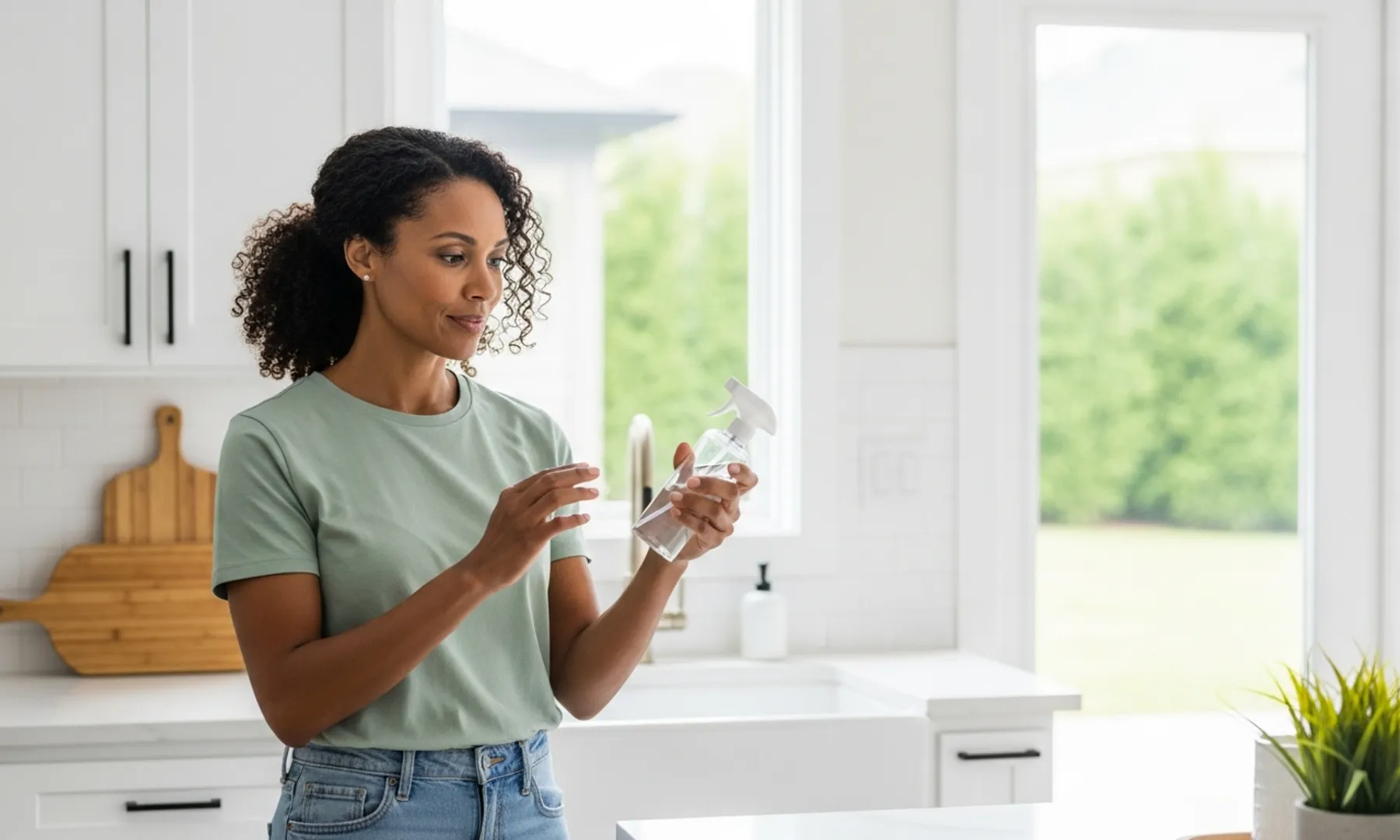
Navigating Truly Eco-Friendly Home Products in 2026
Many Americans want to make their homes greener, but finding products that genuinely deliver can feel like a maze. With countless labels and marketing claims, it's easy to get confused. In 2026, understanding what makes a product truly eco-friendly—beyond just its packaging—is more important than ever.
This guide cuts through the noise, focusing on certifications, real-world prices, and the health benefits of choosing sustainable options. You might be surprised to find that many eco-friendly swaps can actually save your household hundreds of dollars annually, especially when you factor in long-term value and reduced health risks from harsh chemicals. We'll explore top contenders in cleaning, kitchen, and personal care categories, ensuring your choices are both green and budget-smart.
Decoding Key Eco-Friendly Certifications for a Healthier Home
Not all 'green' claims are equal. Certifications provide crucial third-party verification that a product meets specific environmental and health standards. When you see these labels, you can trust the product has undergone rigorous testing, helping you avoid greenwashing.
- EPA Safer Choice: This label, from the U.S. Environmental Protection Agency, signifies that a product contains ingredients that are safer for human health and the environment. It's a gold standard for cleaning products.
- Green Seal: An independent non-profit, Green Seal certifies products and services that meet high-performance, health, and environmental criteria. Their standards cover everything from manufacturing to packaging.
- USDA Organic: While often associated with food, this certification applies to any product with 95% or more organic ingredients. For home products like textiles or personal care, it ensures ingredients are grown without synthetic pesticides or fertilizers.
- EWG Verified: The Environmental Working Group (EWG) Verified mark on personal care and cleaning products means they meet strict health criteria. This includes avoiding thousands of chemicals linked to health concerns like cancer or reproductive harm.
- B Corp Certification: This isn't for a single product, but for an entire company. A certified B Corporation meets high standards of social and environmental performance, accountability, and transparency. Supporting these companies ensures your money goes to businesses committed to more than just profit.
Top Eco-Friendly Cleaning Essentials for 2026
Maintaining a clean home doesn't require harsh chemicals that can irritate lungs or skin. Many innovative brands offer effective, plant-based alternatives that are better for your family's health and the planet. Switching to these can significantly improve your indoor air quality.
Consider Dropps Laundry Pods, a favorite for many busy families in places like Austin, Texas. These ultra-concentrated pods come in compostable packaging and offer powerful cleaning. They are often EPA Safer Choice certified, ensuring minimal environmental impact and fewer skin irritants.
For an all-purpose cleaner, Blueland's Clean Kit is a game-changer. You buy reusable bottles once and then refill them with dissolving tablets mixed with water. This dramatically cuts down on plastic waste. Their products are typically Cradle to Cradle certified, meaning they are designed for circularity.
And for dish duty, Method Dish Soap stands out. Its biodegradable formula tackles grease effectively while being gentle on hands. Many Method products are Leaping Bunny certified, guaranteeing no animal testing, and their bottles are often made from recycled plastic. These small changes add up to a healthier daily routine.
Sustainable Swaps for Your Kitchen and Food Storage
The kitchen is a prime area for reducing waste, especially single-use plastics. Simple changes here can have a big impact on your household's overall environmental footprint. Plus, many of these products are designed for durability, saving you money over time.
Stasher reusable silicone bags are a fantastic alternative to disposable plastic bags. They are freezer, microwave, and dishwasher safe, making them incredibly versatile for meal prep and storage. Stasher bags are made from platinum silicone, a food-grade material that avoids harmful chemicals found in some plastics, contributing to better food safety.
Another excellent option is Bee's Wrap, a natural and reusable food storage wrap. Made from organic cotton, beeswax, jojoba oil, and tree resin, it's perfect for covering bowls or wrapping sandwiches. It's fully compostable at the end of its life, reducing landfill waste.
For composting food scraps, a simple stainless steel countertop compost bin can make a huge difference. Brands like Brabantia offer sleek designs that keep odors contained until you transfer waste to an outdoor compost pile or municipal collection. This diverts organic material from landfills, reducing methane emissions that contribute to climate change.
Healthier Choices for Personal Care and Bathroom
The bathroom is another room ripe for eco-friendly transformations that benefit both the planet and your personal well-being. Many conventional personal care items contain ingredients that can be harsh on skin or contribute to water pollution. Switching to cleaner alternatives can lead to fewer skin irritations and a healthier home environment.
Dr. Bronner's Pure-Castile Liquid Soap is a multi-purpose powerhouse. Made with organic and fair-trade ingredients, it can be used for body wash, shampoo, and even household cleaning. Its concentrated formula means a single bottle lasts a long time, and it's readily biodegradable, reducing its impact on waterways.
For those looking to ditch plastic bottles entirely, Ethique solid shampoo and conditioner bars are an excellent choice. Hailing from New Zealand but widely available in the US, these bars are concentrated, long-lasting, and come in compostable packaging. They are often vegan and cruelty-free, offering a gentle yet effective clean for various hair types.
Even toilet paper can be eco-friendlier. Who Gives A Crap offers toilet paper made from 100% recycled paper or sustainable bamboo, delivered right to your door. They also donate 50% of their profits to build toilets and improve sanitation globally. This small switch helps conserve trees and reduce waste.
The Real Cost: Comparing Eco-Friendly Product Value in 2026
While some eco-friendly products might have a higher initial price tag, their long-term value often surpasses conventional options. This comes from concentration, durability, and reduced waste. Let's look at some examples of how the numbers stack up for common household items in 2026.
Think about a family in Dallas, Texas, making these switches. The upfront cost might be a bit more, but the savings quickly accumulate. For instance, a single refillable cleaner bottle eliminates dozens of plastic containers, and concentrated laundry pods mean fewer trips to the store.
| Product | Initial Price (USD) | Cost Per Use/Unit (Estimate) | Key Certifications | Pros | Cons |
|---|---|---|---|---|---|
| Dropps Laundry Pods (64 loads) | $20-$25 | $0.31-$0.39/load | EPA Safer Choice | Ultra-concentrated, plastic-free, effective | Higher upfront than some powders |
| Blueland All-Purpose Cleaner (Starter Kit) | $20-$25 | ~$3-$4/refill tablet | Cradle to Cradle | Eliminates plastic bottles, easy to use | Refill tablets need to be ordered |
| Stasher Reusable Silicone Bag (Sandwich size) | $12-$15 | ~$0.01-$0.02/use (over 1000 uses) | FDA-grade silicone | Highly durable, versatile, freezer/oven safe | Higher initial cost than plastic bags |
| Ethique Shampoo Bar (1 bar) | $16-$18 | ~$0.08-$0.10/wash (80 washes) | Vegan, Cruelty-Free | Zero plastic, long-lasting, travel-friendly | Requires adjustment to bar format |
| Dr. Bronner's Castile Soap (32 oz) | $18-$20 | ~$0.10-$0.20/use (diluted) | USDA Organic, Fair Trade | Multi-purpose, concentrated, biodegradable | Can be drying if not diluted properly |
These estimates show that while a Stasher bag costs more than a box of disposable bags, its cost per use is dramatically lower over its lifespan. Similarly, concentrated cleaning products, despite a higher initial price, stretch further and reduce your recurring shopping list. This shift from single-use convenience to long-term value is a cornerstone of eco-friendly living.
Spotting Greenwashing: What to Avoid in 2026
The term 'greenwashing' refers to misleading marketing that makes products appear more environmentally friendly than they truly are. As demand for sustainable products grows, so does this deceptive practice. Knowing what to look for can save you money and ensure your choices genuinely help the planet.
Beware of vague buzzwords like "natural," "eco-friendly," or "earth-loving" without any supporting certifications or specific details. These terms are often unregulated and can be applied to almost anything. A product might claim to be "plant-based" but still contain harmful synthetic fragrances.
Always scrutinize ingredient lists. If a list is intentionally vague or hard to find, that's a red flag. Truly transparent brands will clearly list all components and often explain their sourcing. Also, look at the company's overall practices; if only one product is labeled "green" while the rest of their line is highly polluting, that's a sign of potential greenwashing.
Your Easy Transition Plan for a Greener Home
Making the switch to an eco-friendly home doesn't have to be overwhelming or happen all at once. Even small, gradual changes can make a significant impact over time. Think of it as a journey, not a sudden overhaul.
Start by focusing on one room or one product category. Maybe you begin with laundry detergent, then move to kitchen cleaners. As your conventional products run out, replace them with their eco-friendly counterparts. This approach spreads out the initial cost and helps you discover what works best for your household.
Research is your friend. Before buying, quickly check for those key certifications we discussed. Read online reviews from other consumers, especially those with similar concerns like sensitive skin or allergies. Many brands, like Grove Collaborative, offer subscription services that make it easy to discover and receive certified green products regularly.
Imagine Sarah in Phoenix, deciding to tackle her cleaning supplies first. She replaces her all-purpose spray with Blueland, then her laundry detergent with Dropps. Over a few months, her home slowly transforms, reducing her family's exposure to chemicals and cutting down on plastic waste. It’s a manageable and rewarding process.
Final Recommendations for a Healthier, Greener Home in 2026
As we look to 2026, the market for eco-friendly home products continues to grow, offering more choices than ever before. For overall value and impact, prioritizing concentrated, refillable, or reusable options like Blueland cleaners and Stasher bags offers the biggest bang for your buck and significantly reduces waste.
If your primary concern is reducing exposure to harsh chemicals for family health, products with EPA Safer Choice or EWG Verified certifications should be your top priority. Brands like Dropps and Method consistently meet these standards, providing effective cleaning without compromise.
For those aiming for a truly plastic-free lifestyle, Ethique bars and Who Gives A Crap toilet paper are excellent choices that address significant sources of plastic waste in the home. Remember, every small swap contributes to a healthier planet and a healthier living space.
Ready to make the switch? Compare options online today and start building a more sustainable and healthier home environment for your family. Many retailers like Target and Amazon now clearly label certified products, making your green choices easier than ever.