DIY vs. Professional Home Security: Cost, Features, and Installation Reviewed
Home security costs can vary by over $500 upfront and $30/month long-term. Don't choose between DIY and professional without knowing which option locks you into unexpected fees or leaves critical gaps in your protection.
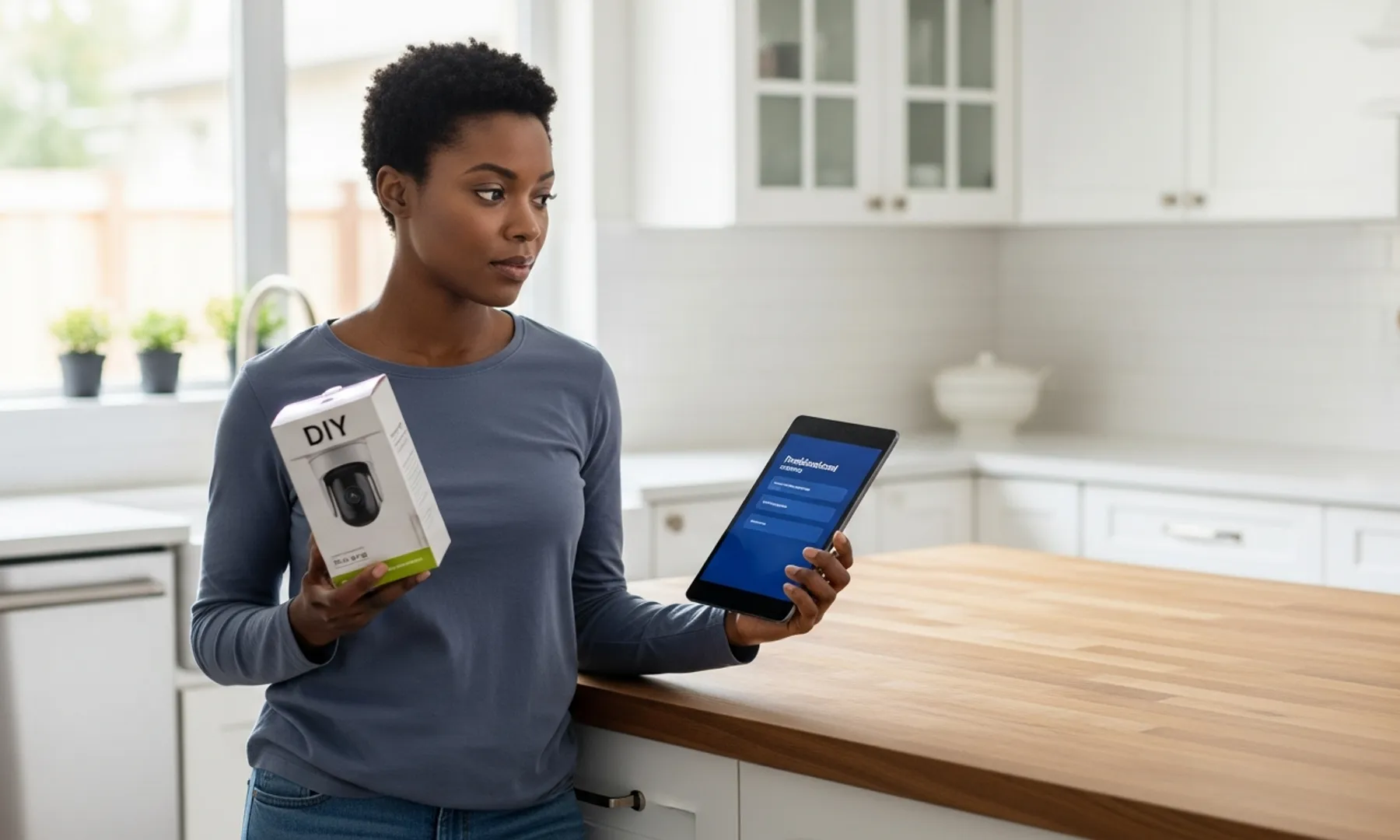
Stop Guessing: DIY vs. Professional Home Security in 2026
Protecting your home and family is a top priority for Americans, but choosing the right security system can feel overwhelming. You are likely weighing two main options: a do-it-yourself (DIY) setup or a professionally installed and monitored system. Each path offers distinct advantages and drawbacks, especially when considering upfront costs, ongoing fees, and the level of protection you actually get.
In 2026, the technology behind home security is more advanced and accessible than ever. Companies like SimpliSafe and Ring Alarm lead the DIY market, while giants such as ADT and Vivint dominate the professional space. This guide will break down everything you need to know to make an informed decision for your home in cities like Dallas or Phoenix, ensuring you don't overpay for features you don't need or compromise on essential safety.
DIY Home Security: The Appeal of Control and Lower Costs
DIY home security systems have surged in popularity, offering homeowners more control and often a lower financial barrier to entry. You purchase the equipment directly, install it yourself, and then decide on monitoring options.
This approach appeals to tech-savvy individuals or those who prefer flexibility without long-term contracts. You can often expand your system at your own pace, adding cameras or sensors as your needs evolve. Many systems, like those from Wyze or Ring, integrate seamlessly with existing smart home ecosystems like Amazon Alexa or Google Home.
Professional Home Security: Comprehensive Protection with a Monthly Fee
For many, the appeal of professional home security lies in its comprehensive, hands-off approach. Companies like ADT or Vivint handle everything from initial consultation and installation to 24/7 monitoring and emergency dispatch.
These systems typically come with a monthly monitoring fee and often a multi-year contract, usually 36 to 60 months. While the upfront equipment cost might be subsidized or financed, the long-term commitment is a key consideration. You're paying for peace of mind, knowing trained professionals are watching your home around the clock and will alert authorities if an alarm triggers.
Cost Breakdown: DIY vs. Professional Systems in 2026
The financial difference between DIY and professional home security can be substantial over time. It's not just about the initial purchase; you need to factor in installation, monthly monitoring, and potential contract lengths.
Consider a homeowner in Atlanta looking to secure a new house. Their budget and comfort with technology will largely dictate which option makes the most sense. Here's a general comparison of what you can expect in 2026:
| Cost Factor | DIY Home Security | Professional Home Security |
|---|---|---|
| Equipment | $200 - $1,000+ (one-time purchase) | $0 - $1,000+ (often financed or subsidized) |
| Installation | $0 (self-install) | $99 - $500 (one-time, often waived with contract) |
| Monthly Monitoring | $0 - $30 (optional, no contract) | $30 - $60 (mandatory, 24-60 month contract) |
| Contract Length | None | 24 - 60 months (common) |
| Total 3-Year Cost | $200 - $1,080 (equipment + max monitoring) | $1,080 - $2,660+ (equipment + installation + monitoring) |
DIY systems offer significant savings if you opt for self-monitoring. However, professional services bundle the equipment, installation, and monitoring into one predictable monthly payment. The true cost often becomes clear only when you look at the total over a few years.
Features Face-Off: What Each System Offers
Beyond cost, the features and capabilities of home security systems vary widely. Both DIY and professional options offer core components, but their integration, advanced features, and user experience differ.
Here's a look at common features and how they typically stack up:
| Feature | DIY Home Security (e.g., SimpliSafe, Ring) | Professional Home Security (e.g., ADT, Vivint) |
|---|---|---|
| Core Components | Door/window sensors, motion detectors, base station, siren, keypads | Door/window sensors, motion detectors, control panel, siren, keypads |
| Cameras | Video doorbells, indoor/outdoor cameras, floodlights (often purchased separately) | Video doorbells, indoor/outdoor cameras, often integrated into package |
| Smart Home Integration | Excellent with popular platforms (Alexa, Google Home, Apple HomeKit) | Good, often with proprietary apps, some third-party integration |
| Professional Monitoring | Optional, usually through third-party service for $10-$30/month | Standard, 24/7 monitoring, emergency dispatch included |
| Home Automation | Strong, user-controlled rules for lights, locks, thermostats | Good, often managed through provider's app, sometimes limited |
| Customer Support | Varies by brand, often online resources, phone support | Dedicated support lines, technician visits for issues |
| Emergency Dispatch | Via professional monitoring subscription, or self-contact 911 | Automatic dispatch to police, fire, medical services |
DIY systems often excel in customizable smart home integration, allowing you to choose components from various brands. Professional systems, however, provide a more unified, often proprietary, experience with expert support.
Installation & Monitoring: Hands-On or Hands-Off?
The installation process is a major differentiator. DIY systems, as the name suggests, are designed for you to set up yourself, typically involving adhesive strips and pairing devices via an app. This can save you hundreds in installation fees and allows you to place components exactly where you want them.
Professional systems usually require a technician visit. This ensures optimal placement of sensors and cameras, proper wiring (if needed), and a thorough system test. While it costs more, it removes the burden of technical setup from your shoulders.
Monitoring also presents a critical choice. Self-monitoring means you receive alerts and are responsible for contacting emergency services. Professional monitoring, on the other hand, means a central station alerts authorities on your behalf, often leading to faster response times, especially when you're away from home or unreachable.
Top DIY Systems to Consider in 2026: SimpliSafe and Ring Alarm
If you're leaning towards a DIY solution, SimpliSafe and Ring Alarm are two leading contenders in 2026. SimpliSafe offers robust security with an emphasis on ease of use and no long-term contracts for monitoring. Their equipment packages typically range from $250 to $600, with optional professional monitoring plans starting around $18 per month.
Ring Alarm, a popular choice for Amazon Prime members, integrates seamlessly with other Ring devices like video doorbells and cameras. Starter kits usually cost between $200 and $350, and their professional monitoring (Ring Protect Plus) is highly competitive at about $20 per month. Both systems are known for their wireless components and straightforward installation, making them accessible to most homeowners in places like Houston or Seattle.
Leading Professional Providers for 2026: ADT and Vivint
For those seeking the full-service experience, ADT and Vivint remain dominant forces in the professional home security market. ADT, a long-standing name, offers a wide range of equipment and monitoring plans, often with upfront equipment costs subsidized or spread across a 36- to 60-month contract. Monthly monitoring typically starts around $40-$60, depending on the features and smart home integrations.
Vivint is known for its advanced smart home technology and sleek, integrated systems. While their equipment packages can be pricier upfront (often $500-$1000+), they offer financing options. Vivint's monthly monitoring, which includes extensive smart home control, usually falls in the $45-$70 range. Both providers offer 24/7 professional monitoring and quick emergency dispatch, providing a high level of reassurance for busy families.
Which Security System is Right for Your Home?
The best home security system for you depends on your budget, technical comfort, and desired level of involvement. If you’re a renter in Austin or a homeowner who enjoys tech projects and wants to save on monthly fees, a DIY system like SimpliSafe or Ring Alarm offers flexibility. You maintain control, can customize easily, and avoid lengthy contracts.
However, if you prioritize maximum convenience, professional installation, and 24/7 expert monitoring without lifting a finger, a professional service like ADT or Vivint is likely a better fit. This option provides a comprehensive, hands-off approach, ideal for those who travel frequently or prefer a fully managed security solution. Consider your lifestyle and how much you value immediate professional response versus self-management before deciding.
Making Your Decision: Next Steps for Securing Your Home
Choosing between DIY and professional home security is a significant decision for your peace of mind and your wallet. Start by assessing your property's specific needs: do you need outdoor cameras, smart locks, or just basic entry protection? Then, compare the total costs over a three-year period, not just the upfront price.
If you're considering a DIY system, check current prices for Ring Alarm or SimpliSafe starter kits online. For professional options, request free quotes from ADT and Vivint to understand their package deals and contract terms. Don't sign anything until you've compared at least three options. Securing your home smarter means making an informed choice today.