Activewear Fit Guide: How to Choose Clothes That Perform
Are your workout clothes actually hindering your progress? Most Americans overlook one crucial fit detail, costing them up to $75 in wasted activewear and poorer performance. Discover how a simple fit check can boost your workouts today.
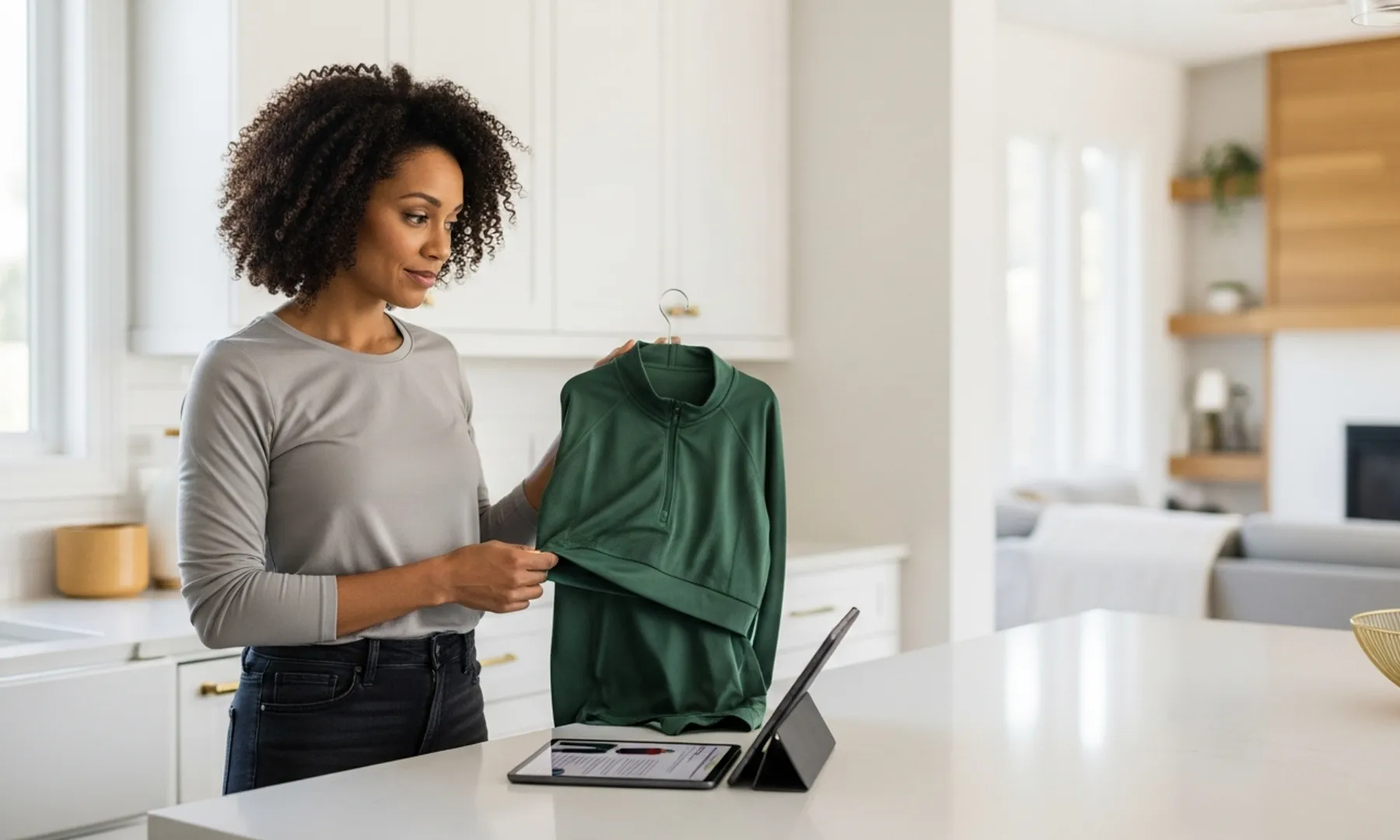
Why Your Activewear's Fit Matters More Than You Think
Many Americans invest in activewear, but often overlook one critical detail: the fit. Incorrectly sized or designed workout clothes can actually hinder your performance, leading to discomfort, chafing, and even reduced effectiveness in your exercise routine.
Imagine trying to run a marathon in shoes that pinch, or doing yoga in leggings that constantly slide down. This guide helps you avoid those frustrating scenarios and ensures your gear supports your goals.
Understanding the Foundation: Sports Bras
A well-fitting sports bra is crucial for any activity, especially for women. It should feel snug but not restrictive, providing adequate support without digging into your skin.
Your sports bra needs to prevent excessive breast movement during exercise, which can cause discomfort and long-term tissue damage. Look for styles designed for your specific activity level, from light yoga to high-impact running.
How to Find the Perfect Sports Bra Fit
Finding the right sports bra involves checking several key areas. Start by ensuring the band around your rib cage is firm and level, not riding up in the back.
- Band: The band provides most of the support, so it should be tight enough that only two fingers can fit underneath. Try brands like Nike or Athleta for a wide range of band and cup sizes.
- Straps: Straps should be comfortable and not dig into your shoulders. They primarily provide stability, not primary support.
- Cups: Your breasts should be fully enclosed in the cups with no spillage at the top or sides. If you see bulging, you likely need a larger cup size.
- Movement Test: Jump, run in place, and raise your arms. If there's excessive bounce or discomfort, the fit is off. Consider a higher-impact bra or a different size.
Leggings and Shorts: The Right Fit for Your Activity
The fit of your bottoms, whether leggings or shorts, significantly impacts your comfort and range of motion. For high-intensity workouts, you want something that stays put and moves with you, not against you.
Compression leggings, like those from Lululemon or Under Armour, offer muscle support and improved blood flow. However, they should never feel painfully tight or restrict circulation. A good pair will feel like a second skin.
Assessing Legging and Short Fit
Here’s what to look for when trying on leggings or shorts:
- Waistband: It should lie flat against your stomach without pinching or rolling down. A high-rise waistband often provides more coverage and comfort during bends and squats.
- Length: For leggings, ensure the length is appropriate for your height to avoid bunching at the ankles or riding up too high. Some brands offer petite and tall options.
- Seams: Flatlock seams are crucial to prevent chafing, especially in high-friction areas like the inner thighs. Check the stitching for durability and smooth finishes.
- Squat Test: Perform a few squats in the changing room. The fabric should remain opaque, and the waistband should not slide down. This is particularly important for brands like Gymshark known for their squat-proof designs.
Performance Tops: Breathability and Movement
Your activewear top needs to allow for full range of motion and manage sweat effectively. Unlike casual t-shirts, performance tops are designed with specific fabric technologies and cuts.
Avoid cotton, which absorbs sweat and stays wet, leading to discomfort and potential chafing. Instead, opt for moisture-wicking materials like polyester, nylon, or blends that pull sweat away from your skin.
Choosing the Right Top for Your Workout
The fit of your top can vary based on your preference and activity. Here’s a quick guide:
| Fit Type | Activity Examples | Key Benefits | Watch Out For |
|---|---|---|---|
| Form-Fitting | Running, Cycling, HIIT | Reduces drag, wicks sweat quickly | Too tight can restrict |
| Relaxed Fit | Yoga, Pilates, Lifting | Allows airflow, comfortable drape | Too loose can get in the way |
| Compression | Weightlifting, Recovery | Muscle support, improved circulation | Overly restrictive feeling |
Always ensure the armholes are not too tight, which can restrict shoulder movement. And check that the hemline stays in place during overhead movements.
Fabrics and Features: Beyond Just Fit
While fit is paramount, the fabric and specific features of your activewear also play a huge role in performance. Modern activewear, from brands like Outdoor Voices to Fabletics, often incorporates advanced textile science.
Look for features like four-way stretch for maximum flexibility, anti-odor technology to keep you fresh, and UV protection for outdoor workouts. These details contribute significantly to your overall comfort and the longevity of your garments.
Your Next Step to Better Activewear in 2026
Investing in activewear that truly performs means paying attention to the details of its fit, fabric, and design. You don't need to spend a fortune, but understanding what to look for can save you from wasted purchases and improve your workout experience.
Start by assessing your current activewear against these guidelines. Then, next time you're shopping, take the time to perform the movement tests and feel the fabric. You might find that a $60 pair of leggings with the right fit outperforms a cheaper pair that constantly needs adjusting, making your workouts more effective and enjoyable.
This is not financial advice. Consult a licensed financial advisor before making investment decisions.