Most Americans waste hundreds on unused gym memberships annually. You can build a full-body home gym for under $100 that delivers real results. Don't pay for equipment you don't need; discover how to maximize your fitness without breaking the bank this year.
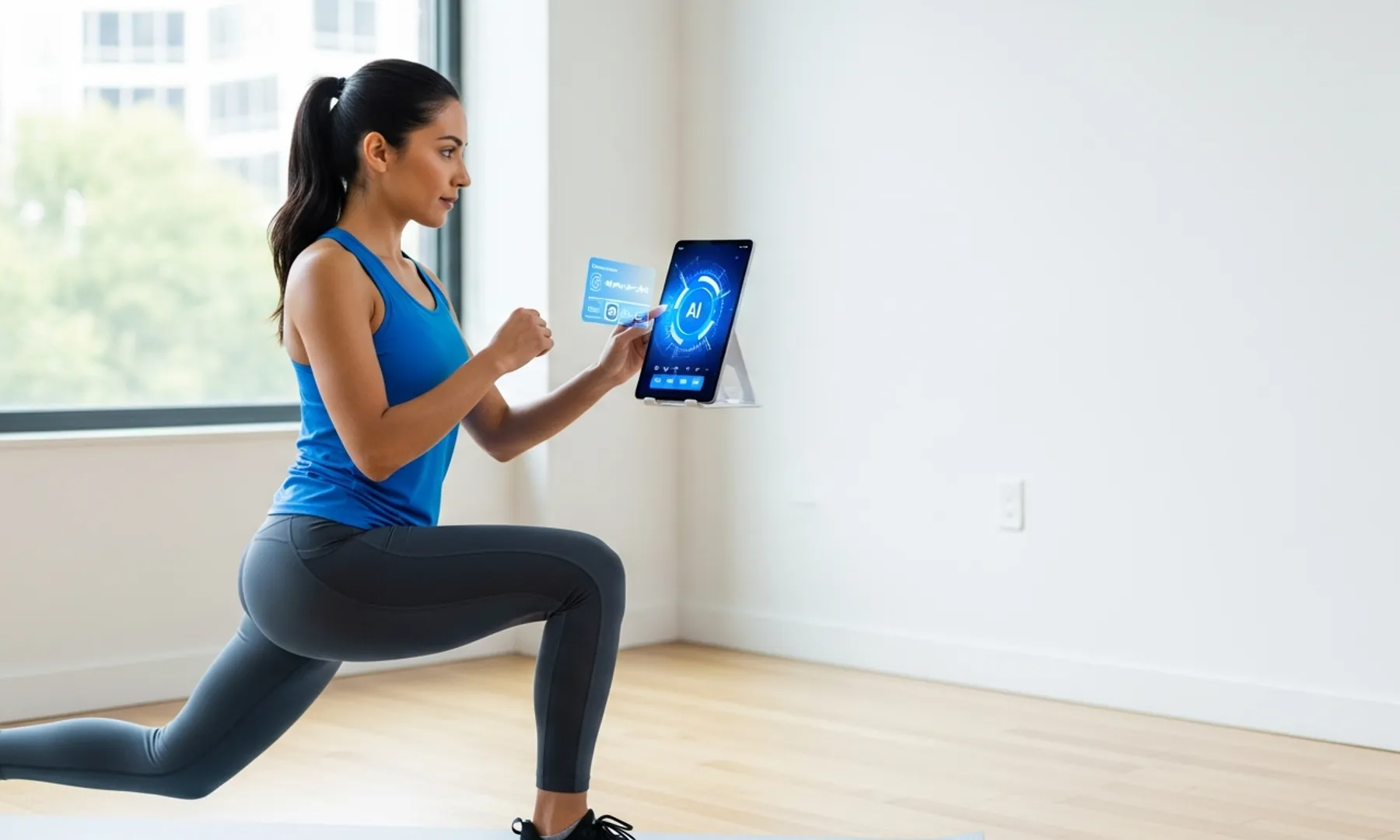
Stop Wasting Money: Your Full-Body Home Gym Awaits
Americans spend an average of $50-$100 per month on gym memberships, with many rarely stepping foot inside. Imagine taking that same money and investing it into your own fitness space at home. You can build a genuinely effective full-body home gym, even in a small apartment in Dallas or a suburban garage in Phoenix, without breaking your budget.
This isn't about buying every gadget you see on social media. It's about smart choices that deliver maximum impact for every dollar. We'll explore options from under $100 to premium smart systems, ensuring you get a complete workout on your terms.
The Ultra-Budget Home Gym: Under $100 for Full Body Power
Think a full-body workout needs heavy weights or complex machines? Think again. For less than the cost of two months at a typical gym, you can get a powerful setup.
Start with a set of resistance bands. A quality set from brands like WODFitters or Amazon Basics costs around $20-$40 and offers varying resistance levels. These are perfect for squats, rows, chest presses, and bicep curls, working nearly every muscle group.
A jump rope, priced at $10-$25, provides excellent cardio and improves coordination. And a simple yoga mat ($15-$30) is essential for core work, stretching, and protecting your joints during floor exercises. This trio lets you hit cardio, strength, and flexibility without needing much space or cash.
Mid-Range Muscle: Building a Solid Setup for $300-$800
Stepping up your budget opens doors to more traditional strength training equipment. For $300-$800, you can create a versatile gym that grows with you.
Adjustable dumbbells are game-changers, replacing an entire rack of weights for $150-$500. Brands like Bowflex SelectTech or Ativafit offer compact options perfect for strength training in a small New York City apartment.
Add a sturdy pull-up bar (doorframe options are $30-$70) for back and bicep strength. A basic, flat workout bench ($80-$200) expands your exercise library for presses, rows, and step-ups. This combination allows for progressive overload across major muscle groups, essential for a full-body routine.
Smart & Premium Powerhouses: When to Splurge ($1000+)
If your budget allows for a significant investment, the world of smart home gyms and high-end cardio machines awaits. These systems often come with guided workouts and advanced tracking.
Brands like Tonal or Mirror (typically $2,000-$4,000, plus subscription fees) offer digital resistance and on-demand classes. They save space and provide a structured experience, ideal for busy professionals in Silicon Valley or Seattle.
For cardio, a quality Peloton Bike (starting around $1,400) or a NordicTrack treadmill with iFit integration (from $1,000 to $3,000+) can mimic the studio experience. But remember, these often come with ongoing monthly subscription costs, usually $39-$49, which add up over time.
Choosing Your Core: Cardio vs. Strength Focus
Deciding between a primary cardio machine or strength equipment first depends on your goals and space. Both are vital for a full-body approach, but one might be a better starting point.
If running or cycling is your passion, a reliable treadmill or exercise bike could be your anchor. Brands like Sunny Health & Fitness offer solid budget-friendly cardio machines starting around $300-$500.
However, if strength and muscle building are top priorities, prioritize adjustable dumbbells, kettlebells, or a resistance machine. A cable machine from brands like Inspire Fitness, though pricier ($1,500+), offers incredible versatility for total body resistance training.
Space-Saving Solutions for City Living
Living in a small apartment in Chicago or a condo in Miami often means every square foot counts. Thankfully, many home gym options are designed with limited space in mind.
Foldable treadmills, like those from ProForm, can tuck away when not in use. Wall-mounted pull-up bars or compact adjustable benches also free up floor space quickly.
Even smart gyms like Tonal mount directly to the wall, taking up minimal footprint. Prioritize vertical storage and multi-functional equipment to maximize your workout area without cluttering your home.
Essential Accessories You Might Overlook
Beyond the big-ticket items, a few affordable accessories can significantly enhance your home workouts. These small investments make a big difference in comfort and effectiveness.
A good foam roller ($20-$40) is crucial for recovery and flexibility, helping to release tight muscles after a tough session. Investing in quality workout gloves ($15-$30) can prevent calluses and improve grip, especially with dumbbells or pull-ups.
And don't forget a sturdy water bottle to stay hydrated throughout your routine. These small additions can elevate your entire fitness experience without adding much to your overall budget.
Home Gym Equipment Comparison: Budget Tiers 2026
Here’s a quick look at how different budget levels can equip you for a full-body workout in your home gym in 2026.
Making Your Purchase: What to Look For
Before you click 'buy,' consider a few crucial factors. Always check product reviews from real users, especially for durability and ease of assembly. Look for warranties; reputable brands stand behind their products.
Consider the resale value if you anticipate upgrading in the future. Websites like Amazon, Rogue Fitness, and Walmart offer a wide range of options, often with free shipping. Compare prices across several retailers to secure the best deal.
And remember to measure your space accurately before ordering larger items like a squat rack or treadmill. You don't want to receive a box only to find it won't fit through your doorway or in your workout area. Check current sales at Dick's Sporting Goods or directly from Bowflex.
Disclaimer
The information provided in this article is for general informational purposes only and should not be considered professional advice. While we strive to keep the content accurate and up to date, we make no guarantees of completeness or reliability. Readers should do their own research and consult a qualified professional before making any financial, medical, or purchasing decisions.