The Top Skincare Trends in 2026 and the Products Worth Adding to Your Routine
The average American wastes $200+ annually on outdated skincare. By 2026, three major trends will redefine routines, offering smarter solutions and better results. Are your current products ready for AI-driven personalization and barrier repair?
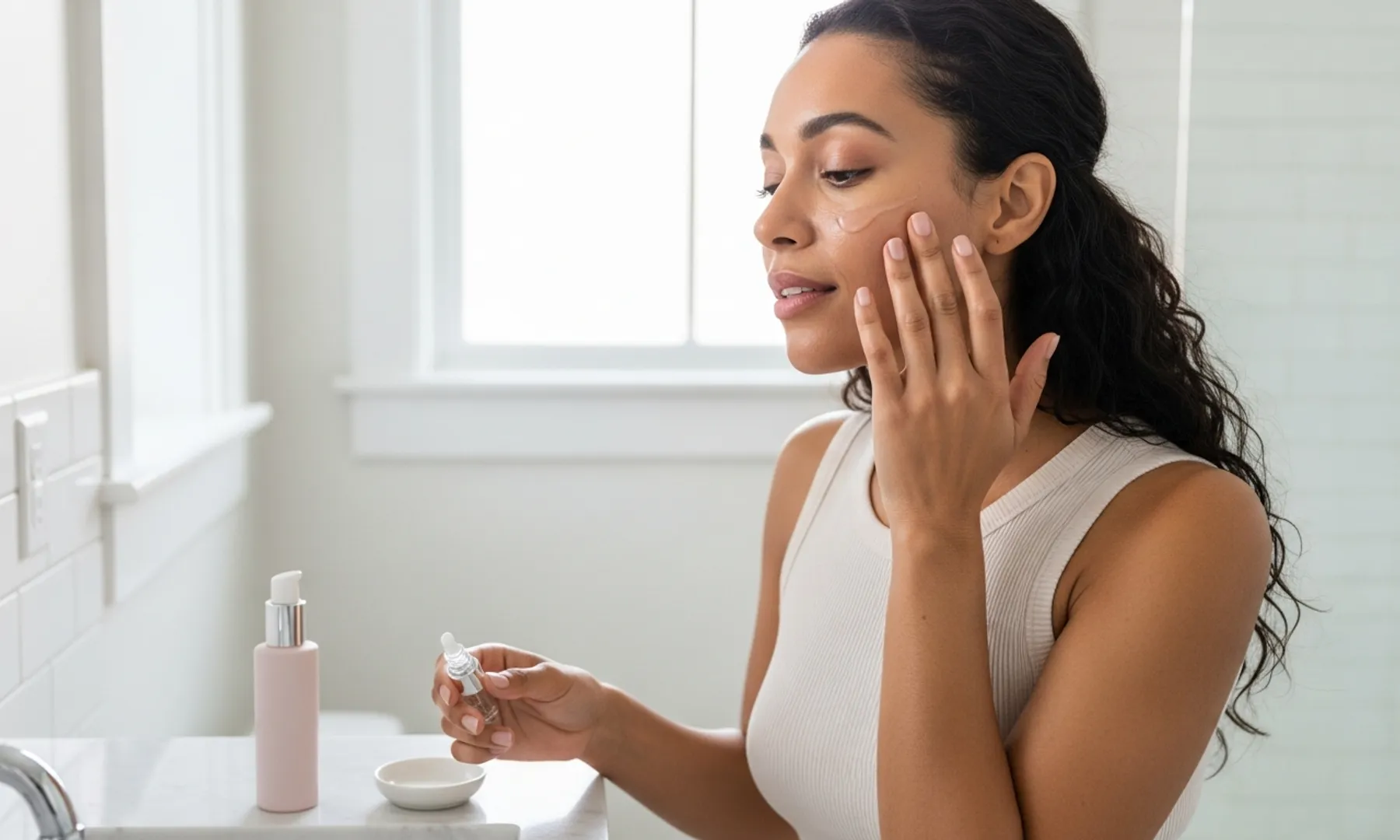
Stop Wasting Money: The Future of Your Skincare Routine Starts Now
Many Americans feel overwhelmed by the sheer number of skincare products available. You might be spending good money on items that don't quite deliver the results you hoped for. By 2026, the skincare landscape will look significantly different, driven by cutting-edge science and a deeper understanding of skin health.
This isn't about chasing every new fad. It's about strategically updating your routine with products that align with the most impactful trends. We'll explore the top three shifts happening in skincare and guide you to the specific products worth adding to your regimen today.
Are you ready to discover how to achieve healthier, more resilient skin while making smarter purchasing decisions?
Trend 1: Hyper-Personalization and AI-Driven Analysis
Forget one-size-fits-all solutions; 2026 will be all about skincare tailored precisely to *your* unique skin. Artificial intelligence is no longer just for tech giants; it's moving into your bathroom cabinet.
AI-powered apps and at-home devices are becoming incredibly sophisticated. They can analyze everything from your skin's hydration levels to pore size and even genetic predispositions. This data then informs custom product recommendations or even bespoke serum formulations.
This means less guesswork and more effective treatments. You'll move from broad categories like 'oily skin' to precise needs like 'dehydrated T-zone with early signs of UV damage and sensitivity to fragrance X'.
Trend 2: Fortifying the Skin Barrier and Microbiome
The 'skin barrier' is no longer just industry jargon; it's a mainstream focus. This protective outer layer of your skin is crucial for keeping irritants out and moisture in. A healthy barrier means less redness, fewer breakouts, and better hydration.
Expect a surge in products designed specifically to support your skin's natural defenses. We're talking about ingredients like ceramides, fatty acids, and cholesterol, which are the building blocks of a strong barrier. Also, the skin's microbiome – the community of beneficial bacteria living on your skin – will receive more attention.
Ingredients like prebiotics and postbiotics will become common, helping to balance this delicate ecosystem. This approach leads to calmer, more resilient skin overall, especially vital for those living in urban environments like New York City or Los Angeles where pollutants are a constant challenge.
Trend 3: Sustainable & 'Smart' Formulations
Consumers are increasingly demanding transparency and environmental responsibility from beauty brands. This trend isn't slowing down by 2026; it's accelerating.
Look for refillable packaging, waterless formulas that reduce environmental impact, and ethically sourced ingredients. Many brands are also embracing 'biotech' ingredients, which are lab-grown alternatives to traditional plant extracts. These are often more potent and sustainable.
'Smart' formulations also mean multi-tasking products that simplify your routine. Imagine one serum that handles hydration, anti-aging, and gentle exfoliation, reducing product clutter and waste. This aligns with the 'skinimalism' movement, promoting fewer, more effective steps.
Products Worth Adding for Personalized Skincare
To embrace hyper-personalization, consider investing in smart tools and custom solutions. These don't have to break the bank, but they offer precision.
- At-Home Skin Analyzers: Devices like the Foreo Luna Fofo ($99-$129) connect to an app to assess hydration and skin type. They then suggest a personalized cleansing routine.
- Custom Serum Services: Brands like Proven Skincare or Curology (starting around $29.95/month) use AI questionnaires and dermatologist insights to formulate personalized serums or moisturizers. These are tailored to your specific concerns, from acne in your 20s to fine lines in your 40s.
- AI-Powered Apps: Many apps now offer free skin analysis by simply uploading a selfie. They track progress and recommend ingredients. This is a great starting point before committing to a subscription service.
This approach helps you target specific issues effectively, saving money on products that aren't quite right for you.
Building a Stronger Skin Barrier: Essential Products
Protecting your skin barrier is foundational for any healthy routine. These products focus on gentle cleansing and nourishing ingredients.
| Product Category | Key Ingredients | Example Product (Avg. Price) |
|---|---|---|
| Gentle Cleanser | Ceramides, Hyaluronic Acid | CeraVe Hydrating Facial Cleanser ($15) |
| Barrier-Repair Serum | Ceramides, Cholesterol, Fatty Acids | Paula's Choice Clinical Ceramide-Enriched Firming Moisturizer ($49) |
| Probiotic/Prebiotic Treatment | Fermented ingredients, Prebiotics | Glow Recipe Avocado Ceramide Redness Relief Serum ($42) |
| Rich Moisturizer | Squalane, Shea Butter | La Roche-Posay Lipikar Balm AP+M ($20) |
Start by swapping out harsh cleansers for hydrating options. Then, introduce a dedicated barrier-repair serum or a moisturizer rich in barrier-supporting lipids.
Sustainable & Multi-Tasking Skincare Essentials
Embrace efficiency and eco-consciousness with these smart additions to your routine. They simplify steps and reduce waste.
- Refillable Moisturizers: Brands like Tatcha and Youth to the People offer popular moisturizers with refill pods, often saving you $10-$20 on subsequent purchases. This cuts down on plastic waste significantly.
- Waterless Cleansing Balms: These concentrated formulas melt away makeup and impurities without needing water until rinse-off. Brands like Farmacy Green Clean Makeup Removing Cleansing Balm ($36) are excellent multi-taskers.
- Multi-Benefit Serums: Look for serums that combine several active ingredients for different concerns. For example, a serum with Vitamin C, Niacinamide, and Hyaluronic Acid can address brightening, calming, and hydration all at once. This reduces the number of bottles on your shelf.
Consider products from brands committed to clean energy or transparent sourcing. Many US-based indie brands are leading this charge, often found at retailers like Credo Beauty or Sephora.
Integrating Trends: Your Simplified 2026 Skincare Routine
You don't need a 10-step routine to see results. The future of skincare is about smart, effective steps.
- Morning: Gentle cleanse (or just rinse with water), apply a multi-tasking serum (Vitamin C + Hyaluronic Acid), then a barrier-supporting moisturizer with SPF 30+.
- Evening: Double cleanse (if wearing makeup/SPF), apply a personalized treatment serum (e.g., retinoid or custom AI-driven formula), then a rich barrier-repair moisturizer.
This streamlined approach respects your skin's natural processes. It also allows your targeted treatments to work more effectively. Remember, consistency is more important than complexity.
Beyond Products: Holistic Skincare Habits for 2026
Skincare isn't just what you put on your face; it's also about your overall wellness. By 2026, the connection between internal health and skin health will be undeniable.
- Stress Management: Chronic stress can trigger inflammation and skin issues. Incorporate practices like meditation or regular exercise. Even a 15-minute walk can make a difference.
- Nutrient-Rich Diet: Focus on whole foods, healthy fats, and antioxidants. Berries, leafy greens, and omega-3 rich fish support skin health from within. Think of it as feeding your skin.
- Quality Sleep: Your skin repairs itself while you sleep. Aim for 7-9 hours of quality sleep each night. This can improve everything from cell turnover to reducing puffiness.
Consider adaptogen supplements like ashwagandha if stress is a major factor for you. Always consult your doctor before starting any new supplement regimen.
The Cost of Future-Proofing Your Routine
Updating your skincare doesn't mean emptying your wallet. You can strategically invest in key areas.
Focus on a few high-impact products rather than many mediocre ones. For example, a quality personalized serum might cost $50-$80, but it could replace two or three less effective serums you're currently using.
If budget is a concern, prioritize a gentle cleanser, a barrier-repair moisturizer, and broad-spectrum SPF. Then, gradually add a targeted treatment or an AI-analysis tool as you can. Many effective barrier-supporting products, like those from CeraVe or La Roche-Posay, are available at your local drugstore for under $25. This makes future-proofing accessible to everyone.