The Beginner Tool Kits That Handle the Most Common Car Repairs at Home
Stop overpaying for simple car fixes. Most Americans spend $100-$300 on basic maintenance you can do for under $20 at home. Discover the essential beginner tool kit that saves you thousands annually, starting with just $75.
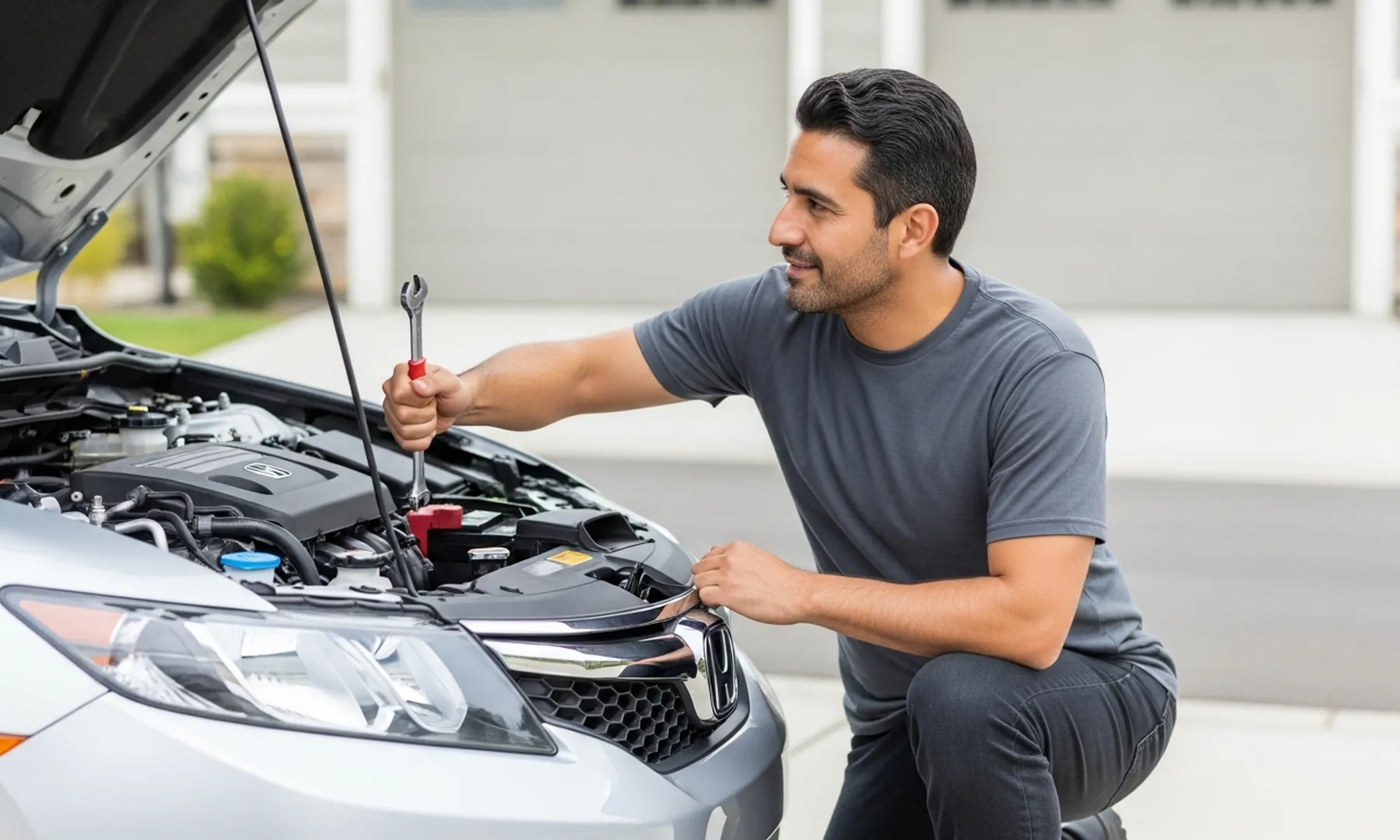
Stop Overpaying: How a $75 Tool Kit Saves You Hundreds on Car Repairs
Many Americans spend hundreds, even thousands, each year on basic car maintenance and minor repairs. Think about that $150 oil change or the $80 charge to replace a dead battery. These are simple fixes you can often tackle right in your own driveway.
Investing in a beginner-friendly tool kit can transform those expenses into significant savings. You're not just saving money; you're also gaining valuable skills and a deeper understanding of your vehicle. This guide breaks down exactly what you need to get started, focusing on tools that handle the most common issues without breaking the bank.
Essential Tools for Your First DIY Car Repair Kit 2026
Building your first car repair kit doesn't mean buying every tool in the auto parts store. Instead, focus on versatility and necessity. You need specific items that address the everyday problems most likely to pop up.
Here’s a breakdown of the core tools every home mechanic should own:
- Socket Set: A comprehensive set (3/8-inch drive with both metric and SAE sizes) is your most crucial investment. You'll use sockets for everything from battery terminals to lug nuts.
- Wrench Set: Combination wrenches, again in metric and SAE, complement your sockets. They're perfect for tight spaces where a socket wrench won't fit.
- Screwdriver Set: Flathead and Phillips head screwdrivers in various sizes are indispensable. Many interior and exterior components are held by screws.
- Pliers Set: Needle-nose, slip-joint, and locking pliers (like Vise-Grips) cover most gripping and pulling tasks. They help with hoses, wiring, and stubborn fasteners.
- Adjustable Wrench: A good 8-inch or 10-inch adjustable wrench provides flexibility for larger bolts or odd sizes. It's a handy backup when you don't have the exact wrench size.
- Tire Pressure Gauge: Absolutely essential for safety and fuel efficiency. Check your tires monthly.
- Work Light/Headlamp: Good visibility is non-negotiable when working under the hood or under the car. A bright LED work light or headlamp makes a huge difference.
- Gloves: Protect your hands from grease, grime, and sharp edges. Nitrile or mechanic's gloves are ideal.
- Safety Glasses: Eye protection is critical. Splashing fluids or flying debris can cause serious injury.
Beyond the Basics: Safety and Specialty Items for Home Auto Care
Once you have your core hand tools, a few additional items are critical for safety and expanding your repair capabilities. These aren't just 'nice-to-haves'; they're often mandatory for safe and effective work.
- Jack and Jack Stands: Never work under a car supported only by a jack. Jack stands are non-negotiable for safety. A sturdy floor jack makes lifting easier.
- Wheel Chocks: Use these to prevent the vehicle from rolling when it's jacked up or parked on an incline. They add an extra layer of safety.
- Torque Wrench: Essential for tightening critical components (like lug nuts or suspension bolts) to the manufacturer's exact specifications. Overtightening or undertightening can be dangerous.
- Multimeter: For basic electrical diagnostics. You can check battery voltage, test fuses, and troubleshoot simple wiring issues. This is a game-changer for electrical problems.
- OBD-II Scanner: For cars made after 1996, this plugs into your car's diagnostic port and reads trouble codes when the 'Check Engine' light comes on. It tells you *why* the light is on, saving you diagnostic fees at the shop.
- Jumper Cables/Portable Jump Starter: A dead battery is a common roadside emergency. Jumper cables require another vehicle, but a portable jump starter offers independence. Many cost around $70-$100 and can be a lifesaver.
Top Beginner Tool Kit Recommendations for Under $150
You don't need a professional-grade kit to start. Several brands offer excellent entry-level kits that cover most common repairs. These kits are often bundled with a good variety of sockets, wrenches, and screwdrivers, providing a solid foundation.
| Kit Name | Key Features | Approximate Price (USD) | Best For |
|---|---|---|---|
| Craftsman 100-Piece Mechanics Tool Set | Durable, wide range of metric/SAE sockets and wrenches, sturdy case | $80 - $120 | General maintenance, good quality for the price |
| Stanley 210-Piece Mixed Tool Set | Includes sockets, wrenches, screwdrivers, and pliers. Good variety. | $90 - $130 | All-around home use, comprehensive basic kit |
| Husky 100-Piece Mechanics Tool Set (Home Depot) | Lifetime warranty, solid build, good mix of common sizes | $70 - $100 | Value-focused, reliable entry into DIY auto repair |
| DeWalt 108-Piece Mechanics Tool Set | High-quality ratchets, durable case, precise fit | $100 - $150 | Those wanting a step up in quality without a huge cost |
These kits provide the essential hand tools you'll use most often. They are designed for durability and ease of use, perfect for someone just starting out. Many come in a durable carrying case, keeping your tools organized.
Tackling Common Car Issues: Where Your Tools Shine
With your new tool kit, you can confidently address several common car problems. These aren't complex engine rebuilds, but routine maintenance and simple fixes that often carry hefty labor costs at a shop.
- Battery Replacement: Using a socket wrench, you can quickly disconnect and replace a dead battery. This usually takes about 15-20 minutes and saves you $50-$100 in labor.
- Tire Rotation and Flat Repair: A jack, jack stands, and a lug wrench (often included with your car) make tire rotations manageable. For a slow leak, a tire repair kit and pliers can often fix a puncture before you need a new tire.
- Wiper Blade Replacement: A simple screwdriver or your hands can swap out old wiper blades for new ones. This takes minutes and avoids dealership markups.
- Air Filter and Cabin Filter Changes: These are typically tool-free or require just a screwdriver. Fresh filters improve performance and air quality, and doing it yourself saves $30-$50 per filter.
- Headlight/Taillight Bulb Replacement: Often just a few screws or clips hold the light assembly. Replacing a bulb yourself can save $20-$40 in labor.
- Checking Fluids and Belts: Your work light helps inspect fluid levels (oil, coolant, brake fluid) and check belts for cracks or wear. Early detection can prevent major issues.
Safety First: Crucial Tips for Home Car Repair
Working on your car at home can be empowering, but safety must always be your top priority. A small mistake can lead to serious injury or damage to your vehicle. Always remember these guidelines.
Always wear safety glasses to protect your eyes from debris, fluids, or unexpected splashes. Additionally, use gloves to keep your hands clean and prevent cuts or scrapes. If you're working with electrical components, disconnect the battery's negative terminal first to prevent accidental shorts or shocks.
Ensure your workspace is well-lit and clear of clutter. This prevents trips and makes it easier to find dropped tools. Finally, if you're unsure about a repair, consult your vehicle's service manual or watch a reputable tutorial before proceeding. There's no shame in knowing your limits.
Maximizing Your Savings: Beyond Just Tools
Having the right tools is only part of the equation for saving money on car repairs. Smart habits and resourcefulness can amplify those savings. Think of it as a comprehensive approach to vehicle ownership.
First, regularly check your owner's manual for recommended maintenance schedules. Sticking to these, even if you do the work yourself, prolongs your car's life and prevents more expensive problems down the road. Basic preventative care is far cheaper than reactive repairs.
Second, leverage online resources. YouTube offers countless tutorials for specific car models and repairs. Online forums can provide troubleshooting tips and advice from other DIY enthusiasts. But always cross-reference information from multiple reliable sources to ensure accuracy and safety.
Finally, track your repairs and maintenance. Keeping a log helps you remember when services are due and allows you to see the tangible savings you're accumulating. Your $75 tool kit today could save you thousands over the lifespan of your vehicle.