How Tariffs Are Changing What Americans Pay for Appliances Right Now
Appliance prices are up by as much as $300 on some models thanks to tariffs. Are you buying at the wrong time? Discover how to save hundreds on your next major appliance purchase, even with current import duties.
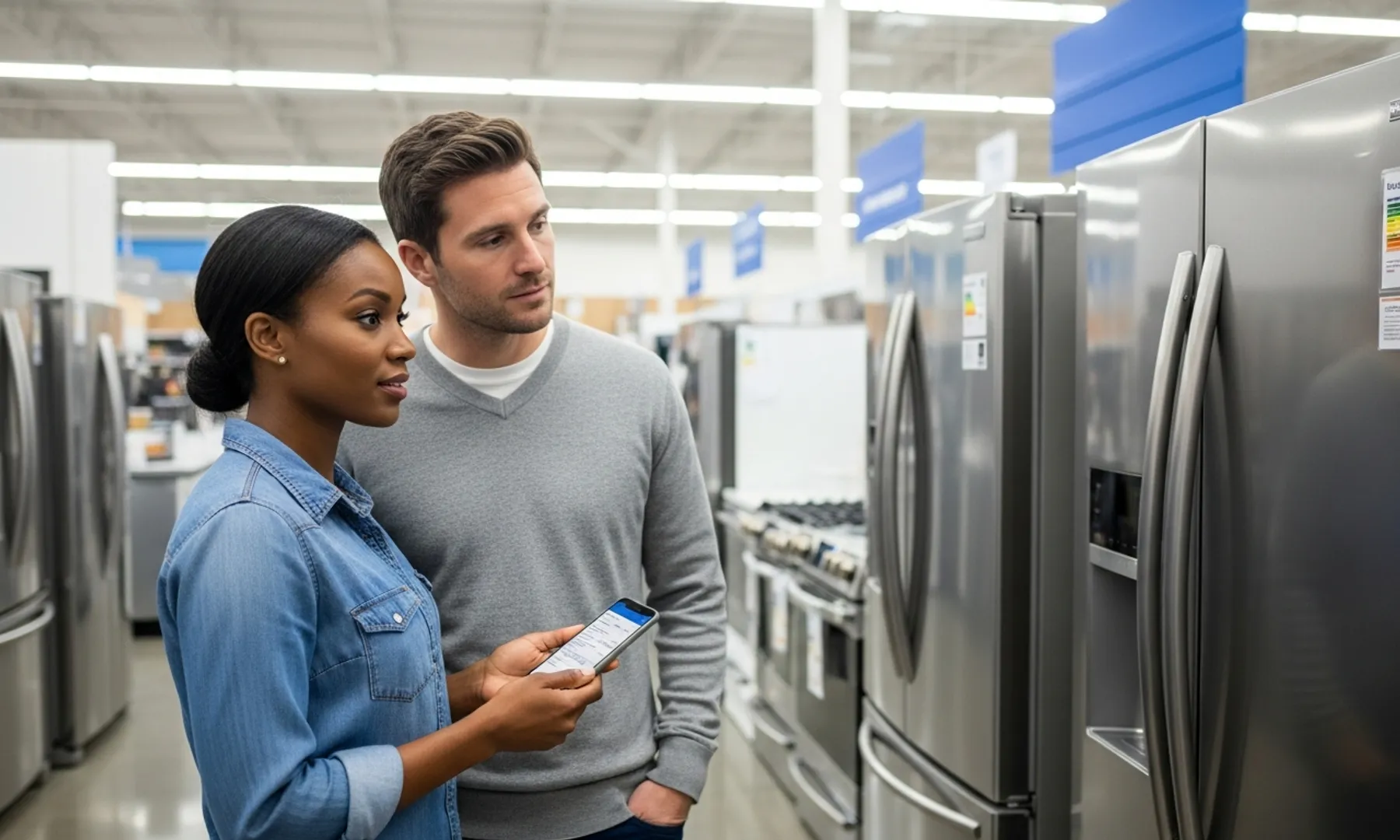
Are Tariffs Making Your New Appliance More Expensive?
Yes, tariffs are indeed changing what Americans pay for appliances right now. You're likely seeing higher prices on everything from refrigerators to washing machines. This isn't just inflation; specific import duties are adding to the cost.
For many common household appliances, tariffs have pushed prices up by hundreds of dollars. This impacts both imported goods and appliances made in the U.S. that rely on imported components. Understanding these changes helps you make smarter buying decisions.
The Hidden Costs: How Tariffs Drive Up Appliance Prices
Tariffs are essentially taxes on imported goods. When the U.S. government imposes a tariff, the company importing the product pays that tax. These costs rarely disappear; they are usually passed on to consumers.
For example, Section 301 tariffs on goods from China affect a wide range of products, including many appliance components. Anti-dumping duties on specific appliance types, like washing machines from certain countries, also add significant costs.
Even American-made appliances aren't immune. Many rely on imported steel, aluminum, and electronic parts from overseas. Tariffs on these raw materials increase manufacturing costs domestically, forcing brands like Whirlpool and GE Appliances to adjust their pricing.
Which Appliances Are Most Affected by Tariffs Right Now?
The impact isn't uniform across all appliance categories. Large appliances, often referred to as 'white goods,' tend to see the biggest price increases.
Refrigerators, washing machines, dryers, and dishwashers have been particularly vulnerable. These items often have complex supply chains involving components from multiple countries subject to various duties.
Small kitchen appliances, while also affected, might see less dramatic price shifts due to lower unit costs. However, every appliance category faces some level of tariff-related pressure.
| Appliance Type | Typical Price Impact (Estimated) |
|---|---|
| Refrigerators | $150 - $300+ increase |
| Washing Machines | $100 - $250+ increase |
| Dryers | $75 - $200+ increase |
| Dishwashers | $50 - $150+ increase |
| Ovens/Ranges | $100 - $250+ increase |
These are average estimates; actual price changes vary by brand, model, and specific tariff rates. A new Samsung refrigerator might see a different increase than a Bosch model.
Beyond the Sticker Price: Inflation and Supply Chain Pressures
Tariffs are just one piece of the puzzle driving up appliance costs. Broader economic inflation also plays a significant role in today's market. Everything from labor to shipping costs has risen across the board.
Supply chain disruptions continue to make manufacturing and delivery more expensive. These issues can lead to product shortages, which further push prices higher due to basic supply and demand.
So, while tariffs add a direct tax, general inflation and supply chain challenges amplify the overall cost to consumers. You’re not just paying for tariffs; you’re paying for a more expensive global economy.
Smart Buying Strategies: Navigating Higher Appliance Costs in 2026
You don't have to simply accept higher prices when buying new appliances. Savvy shoppers in cities like Dallas or Phoenix can still find ways to save money.
First, consider major holiday sales events like Memorial Day, Labor Day, Black Friday, and Presidents' Day. Retailers often offer their deepest discounts during these periods to clear inventory.
Look for floor models or open-box deals at appliance retailers like Best Buy or Home Depot. These items are often significantly discounted, sometimes by 20% or more, for minor cosmetic imperfections.
Comparing Brands: Who's Absorbing Costs and Who Isn't?
Different appliance manufacturers handle tariff costs in varying ways. Some larger brands with diverse global supply chains might be better positioned to absorb some of these costs.
Others, particularly those heavily reliant on specific imported components, might pass on a larger percentage to the consumer. This makes brand comparison crucial when you're shopping.
For instance, brands like Whirlpool, which have significant U.S. manufacturing, might face different tariff impacts than brands like LG or Samsung, which import more finished goods.
Always compare prices across multiple retailers and brands for the same type of appliance. Sometimes, a slightly different model from a competing brand might offer similar features at a lower, less tariff-inflated price point.
Making Your Dollar Go Further: Practical Tips for Appliance Shoppers Today
Beyond sales and open-box finds, think about energy efficiency. An Energy Star-rated appliance might cost more upfront due to tariffs, but it can save you hundreds on utility bills over its lifespan.
Consider package deals if you need multiple appliances. Many stores offer discounts when you buy a complete kitchen or laundry set. This strategy can often offset some of the tariff-driven price increases.
Also, factor in installation and delivery costs. Some retailers offer free delivery or installation as part of a promotion. Negotiating these add-ons can reduce your overall expense, especially for heavy items like a new Frigidaire refrigerator.
Finally, check for any available rebates from your local utility company or state government for energy-efficient purchases. These programs can put money back in your pocket, making that new appliance a bit more affordable.