EV Home Charger Installation What It Costs and Which Units Are Best in 2026
Don't pay too much! Many homeowners spend an extra $1,500 on EV charger installation by missing key rebates. Discover 2026's best units and how to slash your costs.
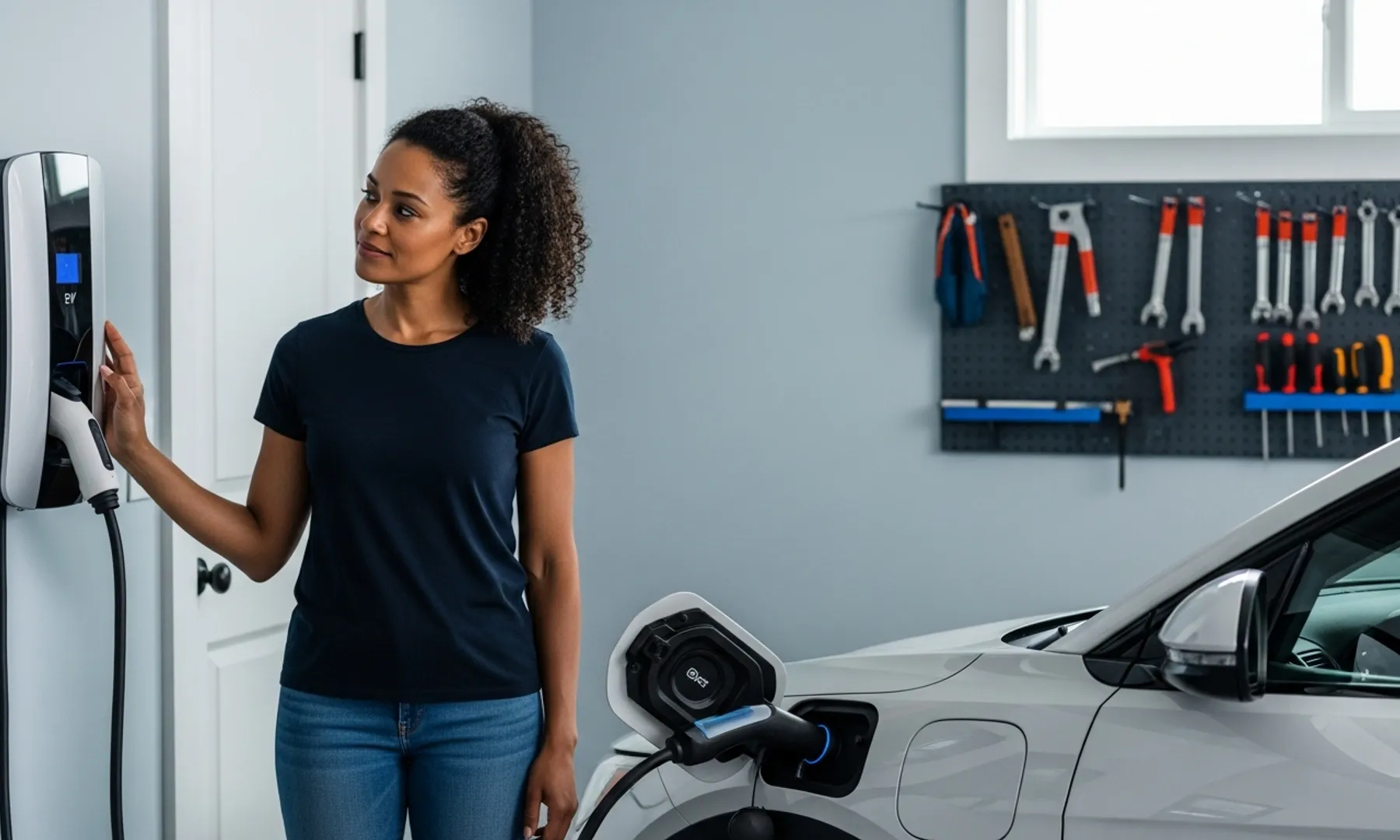
Power Up Your Ride: Understanding 2026 EV Home Charger Costs
Bringing an electric vehicle (EV) home means enjoying quick, convenient charging right in your garage or driveway. But before you plug in, you need to understand the costs involved in setting up a dedicated home charging station. Many homeowners in places like Phoenix or Austin are surprised by the total price tag, which goes beyond just the charger unit itself.
In 2026, the average cost for a Level 2 EV home charger installation in the US ranges from $1,200 to $2,500. This figure includes both the charger unit and professional electrical installation. However, complex installations or electrical panel upgrades can push that cost significantly higher.
This guide breaks down what you can expect to pay, explores available rebates, and compares the top home EV charging units for 2026. We will help you avoid common pitfalls and make the smartest choice for your electric vehicle.
Level 1 vs. Level 2: Which Charger Type is Right for Your Home?
When you think about home EV charging, two main types come to mind: Level 1 and Level 2. Understanding the difference is crucial for both cost and convenience.
Level 1 charging uses a standard 120V outlet, similar to what you use for everyday appliances. It's the slowest option, typically adding only 2-5 miles of range per hour. Most EVs come with a Level 1 charging cable, making it a free setup, but it’s often too slow for daily driving needs for many Americans.
Level 2 charging, on the other hand, requires a dedicated 240V circuit, like those used for electric clothes dryers or ovens. This type of charger adds 20-60 miles of range per hour, fully charging most EVs overnight. This faster charging makes Level 2 the preferred choice for nearly all EV owners, despite the upfront installation cost.
The Real Installation Cost for Your 2026 Home EV Charger
The price of installing a Level 2 home EV charger is more than just buying the unit. You need to factor in several key components, each contributing to the overall expense. Here’s a breakdown of what impacts your wallet.
### Charger Unit Cost: $400 - $1,000+
The actual charging unit, often called an EVSE (Electric Vehicle Supply Equipment), is your first expense. Prices vary based on brand, charging speed (amperage), and smart features like Wi-Fi connectivity or load management. Basic 32-amp units can start around $400, while premium 48-amp smart chargers can easily exceed $1,000.
For example, a popular ChargePoint Home Flex might cost around $750, while a simpler Grizzl-E Classic could be closer to $500. Choosing a higher amperage unit often future-proofs your setup, but it can also require more robust electrical work.
### Electrical Work and Labor: $800 - $2,000
This is typically the largest portion of the installation cost. A licensed electrician needs to run a new 240V circuit from your electrical panel to where you want the charger. The distance between your panel and the charging location is a major cost driver.
If your electrical panel is in the garage right next to where you park, installation might be on the lower end, around $800-$1,200. But if the panel is in the basement and the charger is outside on the opposite side of the house, expect costs closer to $1,500-$2,000. This includes the electrician's hourly rate, wiring, conduit, and a new circuit breaker.
### Permits and Inspections: $50 - $300
Most US municipalities require an electrical permit for installing a Level 2 EV charger. This ensures the work meets local safety codes. The cost of permits typically ranges from $50 to $300, depending on your city or county. Your electrician usually handles the permit application, but it's an expense you'll cover.
Always ensure your installer pulls the necessary permits. Skipping this step can lead to safety hazards, issues with home insurance, or problems when selling your home.
### Electrical Panel Upgrades: $1,500 - $5,000+
This is the costliest potential factor. Your home's main electrical panel needs enough spare capacity to handle the new 240V circuit. Older homes, especially those built before the 1990s, might have a 100-amp panel that's already maxed out.
If your panel lacks capacity, you'll need an upgrade to a 200-amp service, which can cost anywhere from $1,500 to over $5,000. This involves replacing the entire panel and sometimes the service line from the utility. An electrician will assess your panel's capacity during the initial consultation.
Slash Your Costs: 2026 Rebates and Tax Credits for EV Chargers
The good news is that you don't always have to pay the full installation price out of pocket. Several programs can significantly reduce your costs. These incentives are designed to encourage EV adoption and support infrastructure.
### Federal Tax Credit: Up to $1,000
The federal government offers a tax credit for alternative fuel vehicle refueling property. For 2026, this credit is generally 30% of the cost of the charger and installation, up to a maximum of $1,000. This applies to qualified equipment placed in service at your home.
This credit is not a direct discount but reduces your overall tax liability. Be sure to keep all receipts for the charger unit and installation labor to claim this credit when you file your taxes. Consult a tax professional for the most current details for 2026.
### State and Local Rebates: Varies Widely
Many states and local municipalities offer additional incentives. For instance, California, New York, and Massachusetts often have robust programs. These can range from direct rebates on the charger unit to grants for installation costs.
### Utility Company Programs: Significant Savings Possible
Your local electric utility company is a prime source for savings. Many utilities offer rebates for purchasing and installing EV chargers, especially smart chargers that can manage energy demand. Some even offer reduced rates for charging during off-peak hours.
For example, Duke Energy in certain regions might offer a $250 rebate, while Con Edison in New York could provide a similar incentive. Always visit your utility provider's website or call their customer service to inquire about their specific 2026 EV charging programs. These can be the easiest savings to claim.
Best Home EV Chargers for 2026: Features and Pricing
Choosing the right EV charger involves balancing features, charging speed, and budget. Here are some of the top-rated Level 2 home EV chargers popular in the US market for 2026. Each offers unique advantages for different homeowner needs.
| Charger Model | Amperage/Power Output | Smart Features | Price Range (USD) | Key Highlight |
|---|---|---|---|---|
| ChargePoint Home Flex | Up to 50A (12 kW) | Wi-Fi, App, Energy Mgmt, Voice Control | $700 - $850 | Highly flexible, robust app, widely compatible. |
| Wallbox Pulsar Plus | Up to 48A (11.5 kW) | Wi-Fi, Bluetooth, App, Load Balancing | $600 - $750 | Compact, sleek design, dynamic load balancing. |
| Enel X Way JuiceBox 40 | Up to 40A (9.6 kW) | Wi-Fi, App, Smart Grid Integration | $600 - $700 | Reliable, strong smart features, utility program friendly. |
| Tesla Wall Connector | Up to 48A (11.5 kW) | Wi-Fi, App, Remote Access (Tesla only) | $475 - $550 | Best for Tesla owners, can charge other EVs with adapter. |
| Grizzl-E Smart | Up to 40A (9.6 kW) | Wi-Fi, App (via OCPP), Rugged | $550 - $650 | Durable, simple, good for outdoor use, basic smarts. |
### ChargePoint Home Flex
The ChargePoint Home Flex remains a top contender for its versatility and user-friendly experience. It’s adjustable from 16 amps to 50 amps, allowing you to match your home's electrical capacity. The ChargePoint app provides detailed charging data, scheduling, and reminders, making it a favorite for many families in busy areas like Dallas.
It works seamlessly with nearly all EVs on the market. Its robust app integration helps you track energy usage and costs, which is invaluable for managing your electric bill. This unit is a solid choice for those prioritizing smart features and broad compatibility.
### Wallbox Pulsar Plus
The Wallbox Pulsar Plus stands out for its incredibly compact size and elegant design, fitting neatly into any garage. Despite its small footprint, it delivers up to 48 amps of power. Its unique dynamic load balancing feature is a game-changer for homes with limited electrical capacity, allowing the charger to share power with other appliances without tripping breakers.
This makes it an excellent option for older homes or those with 100-amp panels that don't want a full service upgrade. Its app control and Bluetooth connectivity ensure a smooth user experience.
### Enel X Way JuiceBox 40
The JuiceBox 40 from Enel X Way (formerly eMotorWerks) is renowned for its smart grid capabilities and reliability. It offers robust Wi-Fi connectivity and an intuitive app for scheduling and monitoring. Many utility companies actively partner with JuiceBox for demand response programs, potentially earning you extra rebates.
It’s a powerful and dependable unit, ideal for homeowners who want to integrate their charging with future smart home energy management. The JuiceBox is a workhorse that consistently performs well.
### Tesla Wall Connector
For Tesla owners, the Tesla Wall Connector is often the default choice due to its seamless integration with Tesla vehicles. It offers up to 48 amps and a sleek design that complements Tesla's aesthetic. While primarily designed for Teslas, it can charge other EVs using a J1772 adapter, which adds flexibility.
Its price point is competitive, especially considering its high output. If you own a Tesla, this unit provides the most streamlined charging experience and is a strong contender, even if you plan to charge other vehicles occasionally.
### Grizzl-E Smart
The Grizzl-E Smart charger is known for its rugged durability and straightforward operation. Made in Canada, it’s built to withstand harsh weather, making it an excellent choice for outdoor installations in places like Chicago or Denver. It offers up to 40 amps of power and basic smart features through the OCPP (Open Charge Point Protocol), allowing integration with various charging apps.
This unit is perfect for those who prioritize a robust, no-nonsense charger that can handle tough conditions. Its simplicity and reliability make it a popular choice for homeowners who want a dependable charger without excessive bells and whistles.
Choosing the Right Charger for Your Home: Key Considerations
With several excellent options available, picking the best charger for your home depends on your specific needs and priorities. Think about your daily driving habits, your home's electrical setup, and your budget.
If you drive long distances daily, a higher amperage unit (40A-48A) like the ChargePoint Home Flex or Wallbox Pulsar Plus will be more beneficial. For shorter commutes, a 32A unit might be sufficient. Consider your vehicle's maximum charging rate; there's no need for a 48A charger if your car can only accept 32A.
Smart features are a major differentiator. Do you want to schedule charging, track energy usage, or integrate with demand response programs? Chargers like the JuiceBox 40 excel here. If you prefer a simpler, more rugged unit for outdoor installation, the Grizzl-E Smart could be ideal.
Also, consider whether you want a hardwired unit or a plug-in (NEMA 14-50) option. Plug-in chargers offer more flexibility if you ever move, but hardwired units often allow for higher amperage and a cleaner installation.
Finding a Qualified Installer for Your EV Charger
The quality of your EV charger installation is just as important as the charger itself. Always hire a licensed and insured electrician experienced in EV charging installations. Ask for at least three quotes from local professionals.
Look for electricians who can provide references and understand local permitting requirements in your area, whether you're in Seattle or Miami. They should be able to assess your electrical panel and recommend the best location for your charger. A good installer will also explain the process, including any potential panel upgrades, clearly.
Final Steps to Power Up Your EV in 2026
Once you've chosen your charger and secured an installer, the process is straightforward. Ensure all permits are pulled and inspections completed for safety and compliance. Then, enjoy the convenience and savings of charging your EV at home.
Remember to register your charger with any eligible utility programs to maximize your rebates and take advantage of off-peak charging rates. This simple step can save you hundreds of dollars annually. Compare available charger units and get installation quotes today to start your journey.