5 Essential Steps to Upgrade Your Home Security in 2026
Are you paying for security that doesn't protect against 2026 threats? Most homeowners miss one AI upgrade that cuts break-in risk by 70% for under $200. Discover the five essential steps to secure your home now.
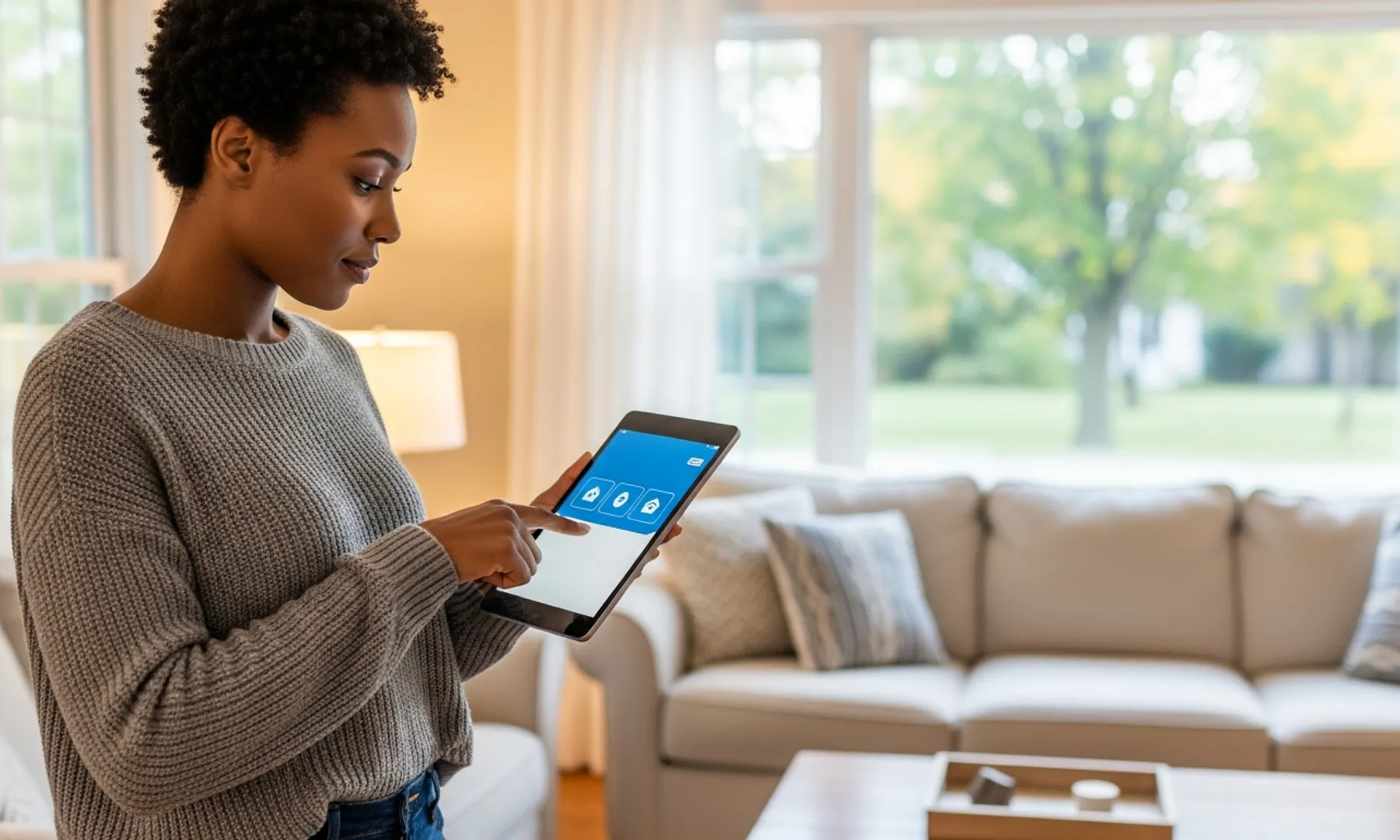
Stop Relying on Outdated Home Security: What's New for 2026?
Many American homes still rely on security systems from years ago, often missing crucial advancements. These older setups might give a false sense of security against today's more sophisticated threats. In 2026, home security isn't just about alarms; it's about smart, predictive, and integrated protection.
Upgrading your home security doesn't have to be overwhelming or expensive. You can significantly enhance your safety by focusing on key areas. This guide outlines five essential steps to bring your home protection into the modern era, leveraging the latest in AI and smart technology. It’s time to secure your peace of mind with intelligent upgrades.
Step 1: Assess Your Vulnerabilities with AI-Powered Insights
Before buying new gadgets, understand where your current security falls short. Walk around your property, inside and out, looking for weak points. Think like an intruder: where are the easy entry spots? Which windows are often left unlocked?
In 2026, AI tools can help identify these vulnerabilities. Some smart home apps now offer 'security audit' features that analyze your device usage and suggest improvements. For example, if your smart lock logs show a door is often left unlocked for long periods, the AI might flag it.
Consider a professional home security assessment if you're unsure. Many companies, like ADT or Vivint, offer free consultations that use advanced tools to pinpoint risks. They can identify gaps in coverage that you might overlook, from obscure basement windows to unlit corners of your yard.
Step 2: Upgrade to Smart Cameras with Advanced AI Detection
Basic motion detection is no longer enough. Modern smart cameras use AI to differentiate between a person, a package, an animal, or a car. This significantly reduces false alarms, meaning you only get alerts for what truly matters.
Look for cameras with features like facial recognition, which can identify family members versus strangers. Package detection alerts you when deliveries arrive and when they're moved, a crucial feature in areas with 'porch pirates.' Some cameras even offer anomaly detection, learning normal patterns and flagging anything unusual.
Brands like Ring, Arlo, and Google Nest lead the market in these AI capabilities. Their latest models integrate seamlessly with smart home ecosystems, allowing for advanced automation. For instance, a camera detecting an unknown person at night can automatically trigger floodlights and record the event.
| Feature | Basic Motion Camera | AI Smart Camera (2026) |
|---|---|---|
| Object Detection | Motion only | People, pets, packages, vehicles |
| False Alarms | High (wind, animals) | Low (smart filtering) |
| Facial Recognition | No | Yes (with database) |
| Activity Zones | Basic | Advanced, AI-assisted |
| Pricing (Avg.) | $50-$150 | $150-$350+ |
When choosing, check for high-resolution video (1080p or 4K), wide-angle lenses, and strong night vision. Cloud storage plans usually come with a monthly fee, typically $3-$10 per camera, so factor that into your budget.
Step 3: Fortify Access Points with Intelligent Locks and Entry Sensors
Your doors and windows are the first line of defense. Upgrading them with smart technology makes a significant difference. Smart locks, like those from August or Schlage Encode, allow you to lock and unlock your doors remotely. You can also grant temporary access codes to visitors or service providers, and receive notifications every time the door is used.
Biometric locks, using fingerprints or facial scans, are becoming more common and affordable in 2026. These offer an extra layer of security, eliminating the need for keys or codes that can be lost or stolen. They integrate seamlessly with your smart home, often disarming your alarm system as you enter.
Pair these with advanced entry sensors on all windows and doors. Modern sensors do more than just detect opening; some can detect glass breakage or unusual vibrations. These 'shock sensors' can alert you to an attempted forced entry before a window is fully broken. They offer immediate alerts to your phone and can trigger your main alarm.
Step 4: Choose Your Monitoring: AI-Enhanced DIY or Professional 2026 Services?
Deciding between self-monitoring and professional monitoring is a key step. Each option has its benefits, especially with new AI integrations.
DIY with AI: Many homeowners prefer to manage their own security. With advanced AI cameras and smart sensors, your system can send direct alerts to your phone for specific events. For example, a Ring camera can send a 'person detected at front door' notification, complete with video. You then decide whether to check the feed, sound an alarm, or call authorities. This approach saves on monthly fees, but places the responsibility of response squarely on you.
Professional Monitoring (2026): Companies like ADT, Vivint, and SimpliSafe offer 24/7 professional monitoring. When an alarm triggers, their central station verifies the alert (often using AI to filter false alarms) and dispatches local police or fire departments. The cost for professional monitoring typically ranges from $20 to $60 per month, depending on features and contract length.
Many professional services now integrate AI to improve response times and accuracy. They might use AI to prioritize alerts, identify genuine threats faster, and even communicate with first responders more efficiently. This can be invaluable, especially when you're away from home or unable to respond immediately.
Consider your lifestyle and budget. If you travel frequently or want absolute peace of mind, professional monitoring is often the better choice. If you're tech-savvy and always have your phone, a robust DIY system with AI features can be highly effective.
Step 5: Integrate and Automate for a Seamless Security Ecosystem
The true power of modern home security comes from integrating all your devices. Connecting your smart cameras, locks, sensors, and even lighting through a central hub creates a cohesive security ecosystem. Platforms like Google Home, Amazon Alexa, or Apple HomeKit can serve as this central brain.
Automation rules allow your devices to work together. For instance, if a window sensor detects a breach, your smart lights can flash, and your smart speaker can blast an alarm sound. Your security cameras can automatically begin recording and send alerts to your phone and designated contacts. This integrated response deters intruders and provides critical evidence.
Consider adding smart lighting that can mimic occupancy when you're away. Randomly turning lights on and off makes your home appear occupied, a simple yet effective deterrent. Smart smoke and carbon monoxide detectors, connected to your main system, can also alert you and emergency services immediately.
Think about future-proofing. Choose devices that are compatible with open standards or major smart home platforms. This ensures your system can adapt as new technologies emerge. A well-integrated system simplifies management and maximizes your home's protection.
Future-Proofing Your Home Security: Beyond 2026
As technology evolves, so will home security. Expect to see more sophisticated AI in predictive analytics, anticipating potential threats before they happen. Drone patrols, both internal and external, are already emerging in high-end systems. These drones can respond to alarms, providing aerial surveillance or internal checks.
Enhanced biometric authentication, beyond just fingerprints, will become standard. Think about systems that recognize your gait or even your unique heartbeat signature. Data privacy will also become an even bigger focus, with homeowners demanding more control over their personal security data. Stay informed about these trends to keep your home protected well into the future.
Your Next Step to a Safer Home in 2026
Upgrading your home security is a proactive step towards protecting your family and property. By assessing vulnerabilities, embracing AI-powered cameras, securing access points, choosing smart monitoring, and integrating your system, you build a robust defense. Don't wait for an incident to happen.
Start by reviewing your current setup and identifying which of these five steps makes the most sense for your home today. Many brands offer starter kits under $300 that can kickstart your upgrade. Compare smart home security options and check current pricing at major retailers like Amazon or Best Buy.