How to Choose a Car GPS Tracker: Buying the Right Device for US Drivers
Don't lose $25 every month on hidden GPS tracker fees. Most drivers overlook the true cost of car tracking devices, paying hundreds more than necessary. Discover how to avoid this common mistake.
Why Every US Driver Needs a Car GPS Tracker in 2026
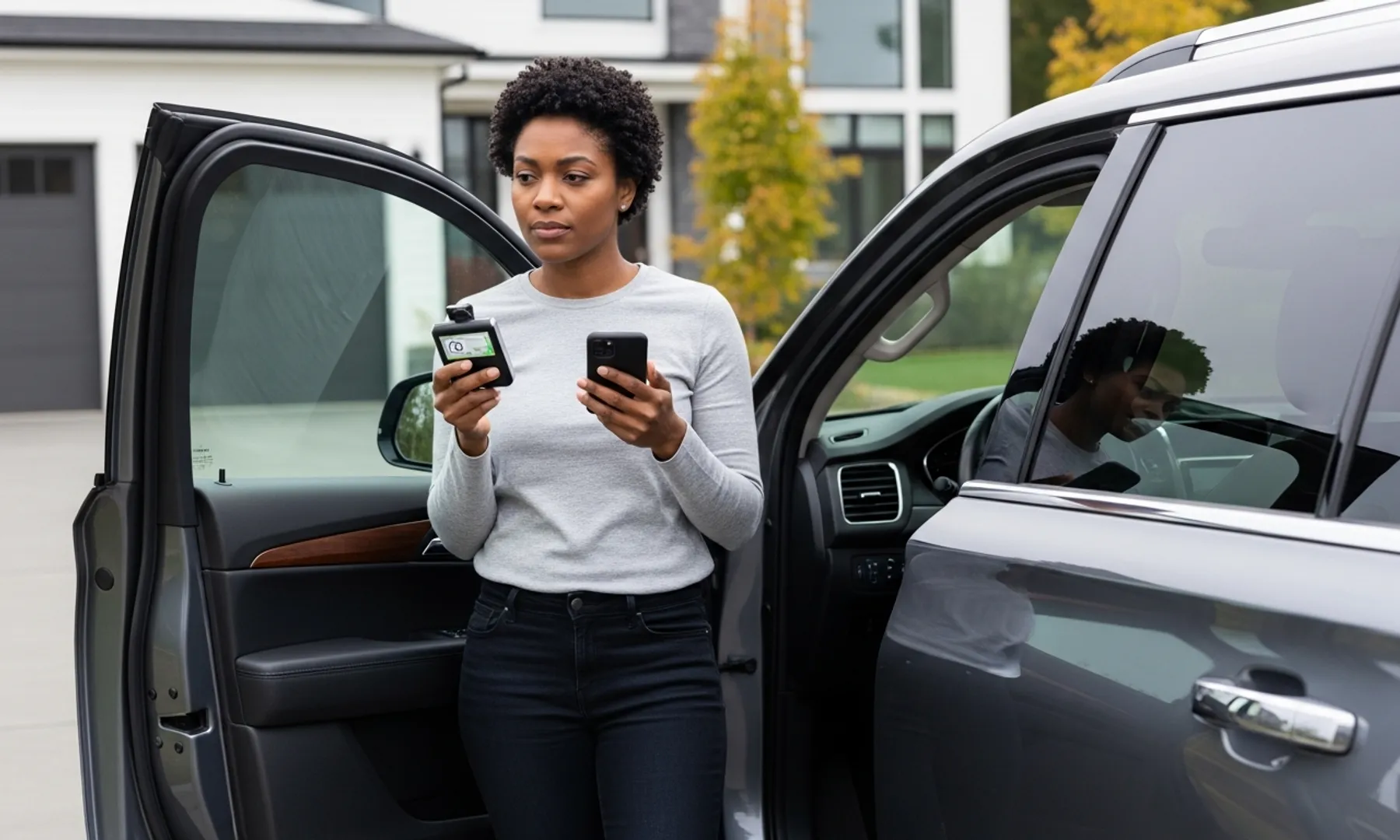
Imagine your teenager borrows the car for a night out in Dallas, or your vintage Mustang sits in a garage for months. A car GPS tracker offers peace of mind, letting you know where your vehicle is at all times. In 2026, these devices are more affordable and feature-rich than ever, moving beyond just theft recovery.
They can help manage fleet vehicles for a small business in Houston or simply keep tabs on a family car. You might even find savings on your car insurance with certain models. But choosing the right one requires knowing what to look for.
Understanding Car GPS Tracker Types: Wired, OBD-II, or Portable?
The first decision when picking a GPS tracker is its power source and how it connects to your vehicle. Each type offers distinct benefits and drawbacks for US drivers.
Here's a breakdown of the most common options:
| Type | Power Source | Installation | Best For |
|---|---|---|---|
| Wired | Vehicle's battery | Professional (often) | Long-term, covert, consistent power |
| OBD-II | Vehicle's OBD-II port | Plug-and-play | Easy setup, vehicle diagnostics, lease cars |
| Portable | Internal battery | Magnetic/concealed | Short-term, multiple vehicles, covert use |
OBD-II trackers are simple to install, plugging directly into the diagnostic port under your dashboard. Wired trackers offer a more permanent, hidden solution but often need a mechanic's touch. Portable devices are flexible, perfect for temporary use or if you want to swap between cars.
Key Features to Look for in a GPS Tracker
Beyond the power source, modern car GPS trackers offer a range of features designed for different needs. Consider what matters most for your specific situation, whether it's tracking a classic car or a daily commuter.
- Real-Time Tracking: This is crucial for immediate updates on your vehicle's location. Look for devices that update every 5-10 seconds for the most accurate data.
- Geofencing: Set up virtual boundaries, like around your home in Phoenix or a school in Miami. You'll get an alert if the vehicle enters or leaves these zones.
- Speed and Ignition Alerts: Receive notifications if a preset speed limit is exceeded or if the ignition is turned on/off. This is helpful for monitoring teen drivers or preventing unauthorized use.
- Battery Life (for Portable Units): Some portable trackers last days, others weeks or months. Longer battery life means less frequent charging, ideal for extended trips or covert placement.
- Historical Data Retention: Check how long the service stores past driving routes. Many services keep data for 90 days or more, useful for reviewing travel patterns or incident reconstruction.
- Mobile App & Web Interface: A user-friendly app makes it easy to check location and adjust settings from your smartphone. Look for clear maps and intuitive controls.
The True Cost of Car GPS Tracking: Beyond the Device Price
Many drivers only look at the upfront purchase price of a GPS tracker, missing the bigger picture. The real cost often lies in the ongoing monthly subscription fees, which can add up significantly over a year.
Most quality trackers range from $25 to $150 for the device itself. However, the monthly service plans typically cost between $10 and $30.
Professional installation for wired trackers can add another $75 to $200 to your initial investment. Factor in these recurring and one-time costs to get a realistic budget.
Navigating Privacy and Legality: What US Drivers Must Know
While tracking your own vehicle is generally legal, using a GPS tracker on someone else's car without their consent can lead to serious legal issues in the US. Laws vary by state, making this a complex area.
For instance, states like California and Virginia have strict privacy laws that could apply to location data. Always ensure you have explicit permission before tracking a vehicle you don't own, especially if it's driven by a spouse or employee.
Federal law also restricts GPS tracking in certain contexts, particularly for law enforcement without a warrant. For personal use, the key is ownership and consent. Don't make a mistake that could cost you thousands in legal fees.
Top Car GPS Tracker Brands for US Drivers
Several brands stand out in the US market for their reliability and features. When you're ready to compare options, these are a few to consider.
Bouncie offers an OBD-II tracker known for its real-time updates and family-focused features like speed alerts and geofencing. It's popular for monitoring teen drivers and is generally easy to set up.
For a more robust and versatile option, Spytec GPS provides both portable and wired solutions. Their Optimus 2.0 tracker is highly rated for its long battery life and accurate tracking, often used by small businesses or for asset protection.
LandAirSea is another strong contender, particularly with their 54 GPS Tracker, which is compact and magnetic. This makes it ideal for covert placement or for temporarily tracking different vehicles, from a boat trailer to a rental car.
These brands consistently deliver on performance and customer support, vital for any tracking solution.
Installation Options: DIY vs. Professional
Deciding how to install your car GPS tracker can influence both cost and effectiveness. Your choice depends on the tracker type and your comfort level with vehicle electronics.
- DIY for OBD-II and Portable: These are designed for quick and easy self-installation. An OBD-II tracker simply plugs into the port, usually found under the steering column. Portable units just need to be placed discreetly within or on the vehicle.
- DIY for Simple Wired (with Caution): Some wired trackers come with basic wiring instructions for connecting to the car's battery. If you're comfortable with basic auto electrical work, you might tackle this. However, incorrect wiring can damage your vehicle's electrical system.
- Professional Installation for Complex Wired: For a truly hidden and secure wired installation, a professional auto electrician is highly recommended. They can hardwire the device into your car's power system, often concealing it from view. This service typically costs between $75 and $200 at a local auto shop in cities like Los Angeles or Chicago.
Making Your Final Choice: A Quick Checklist
With so many options, choosing the right car GPS tracker can feel overwhelming. Use this checklist to narrow down your choices and ensure you get the best device for your needs in 2026.
- What is your primary tracking goal (theft recovery, teen driver monitoring, fleet management)?
- Do you prefer a plug-and-play (OBD-II), permanent (wired), or flexible (portable) solution?
- What's your budget for both the device and the ongoing monthly subscription?
- How important are features like real-time tracking, geofencing, and speed alerts?
- Have you considered the legal and privacy implications for your specific use case?
- Are you comfortable with DIY installation, or do you need professional help?
By answering these questions, you can confidently select a car GPS tracker that meets your expectations and provides the security you need. Compare plans and features on reputable retailer sites to make an informed purchase.