For Advertiser

Your sunscreen choice matters more than you think. One popular type may absorb into your bloodstream, while the other sits on top. Learn which kind offers instant, broad-spectrum protection and which ingredients the FDA is still reviewing. Don't risk your skin's health or effectiveness this summer.
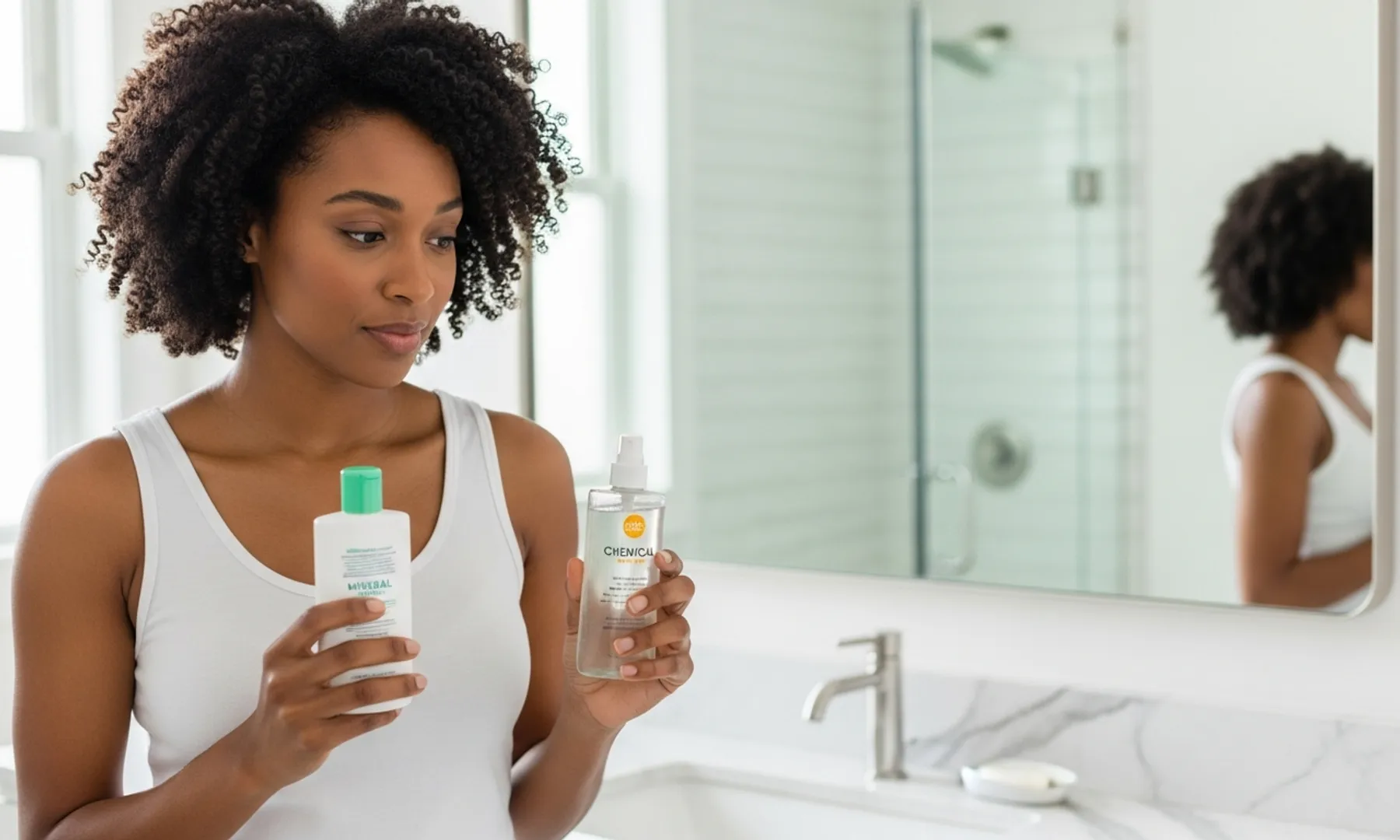
Mineral vs Chemical Sunscreen: Which is Safer and More Effective?

Mineral vs. Chemical: Understanding Your Sunscreen Choices for 2026

Choosing a sunscreen feels like a simple task until you hit the aisle and see "mineral" and "chemical" options. Many Americans don't realize these two types work in fundamentally different ways, impacting everything from how they feel on your skin to their long-term safety. But which one offers better protection and fewer risks for your skin in 2026?

This isn't just about SPF numbers anymore. It's about ingredients, how your body reacts, and what's best for your family. The FDA continues to review many common sunscreen chemicals, while mineral options generally hold a "safe and effective" designation. We'll break down the facts so you can make an informed decision before your next trip to the beach.

Mineral Sunscreen: Your Skin's Physical Shield

Mineral sunscreens, often called physical sunscreens, create a protective barrier on your skin's surface. Think of it like a tiny shield reflecting UV rays away. They typically contain two key active ingredients: zinc oxide and titanium dioxide.

These natural minerals literally sit on top of your skin, blocking both UVA and UVB rays instantly. This broad-spectrum protection is a major plus. Because they aren't absorbed, mineral sunscreens are often recommended for sensitive skin, children, and those prone to allergies.

Expert Tip: Zinc oxide is especially effective, offering superior broad-spectrum protection compared to titanium dioxide alone. Look for products with a high percentage of zinc oxide.

Chemical Sunscreen: Absorbing Rays, Not Reflecting Them

Chemical sunscreens work differently. Instead of blocking UV rays, they absorb them as they penetrate your skin. Then, through a chemical reaction, they convert these rays into heat, which is then released from the skin.

Common active ingredients include oxybenzone, avobenzone, octinoxate, octisalate, homosalate, and octocrylene. These filters take about 15-20 minutes to fully activate once applied. Many people prefer chemical sunscreens for their lighter texture and lack of a white cast.

However, the FDA is still reviewing the safety of most chemical filters. Concerns exist regarding their absorption into the bloodstream and potential hormonal effects, though more research is ongoing. This is why many US consumers are taking a closer look at their labels.

Safety Showdown: What the FDA and Environmental Scientists Say

When it comes to safety, mineral sunscreens generally have the upper hand. The FDA has officially recognized zinc oxide and titanium dioxide as "Generally Recognized As Safe and Effective" (GRASE). This means these ingredients have a long history of safe use without significant concerns.

On the other hand, the FDA has asked for more data on twelve chemical filters, including oxybenzone and octinoxate, due to evidence of systemic absorption. Studies have shown these chemicals can enter the bloodstream at levels above the FDA's threshold for waiver of nonclinical studies. While this doesn't automatically mean they are unsafe, it signals a need for further investigation.

Beyond personal health, there's an environmental impact. Oxybenzone and octinoxate are known to be harmful to coral reefs, leading to bans in places like Hawaii and Key West. If you're planning a vacation to a delicate marine ecosystem, choosing a reef-safe mineral sunscreen is a responsible choice.

Effectiveness Face-Off: Protection, Feel, and Finish

Both mineral and chemical sunscreens can offer excellent broad-spectrum protection with high SPF numbers. The key differences often come down to application, feel, and aesthetic.

Mineral sunscreens provide immediate protection upon application. However, they can sometimes leave a noticeable white cast, especially on darker skin tones, or feel thicker. Newer formulations, often tinted, have improved this significantly. Brands like EltaMD and Supergoop! have made great strides in creating sheerer mineral options.

Chemical sunscreens typically rub in clear and feel lighter on the skin, making them popular for daily wear under makeup. But remember, they need about 20 minutes to become effective. Both types require reapplication every two hours, or more often after swimming or heavy sweating, to maintain their protection level.

Choosing Your Shield: Best for Your Skin and Lifestyle in 2026

Your ideal sunscreen depends on your specific needs. If you have sensitive skin, eczema, or acne-prone skin, mineral sunscreens are often the gentler choice. Their ingredients are less likely to cause irritation or allergic reactions because they don't penetrate the skin.

For daily use where you want an invisible finish, a chemical sunscreen might be appealing, or a tinted mineral formula. If you're active outdoors or swimming, look for water-resistant formulas in both categories. Many popular brands, like CeraVe and La Roche-Posay, offer both mineral and chemical options, so you can pick based on your preference.

Consider your environmental impact too. If you're heading to a beach or ocean, opting for a reef-safe mineral sunscreen helps protect marine life. Many US states are considering similar bans to Hawaii, making this an increasingly important factor.

Popular Sunscreen Options: A 2026 Snapshot

To help you navigate the options, here’s a look at some popular US sunscreen brands and their key features. Prices are approximate for a standard 3-4 oz bottle and can vary by retailer and promotions.

Brand/ProductTypeKey FiltersSPF RangeKey FeatureApprox. Price (USD)
EltaMD UV ClearMineralZinc Oxide46Sheer, good for acne-prone skin$39-$45
Supergoop! Unseen SunscreenChemicalAvobenzone, Homosalate, Octisalate, Octinoxate40Invisible, primer-like finish$38-$40
CeraVe Hydrating Mineral SunscreenMineralZinc Oxide, Titanium Dioxide30-50Hydrating, essential ceramides$15-$18
Neutrogena Ultra Sheer Dry-TouchChemicalAvobenzone, Homosalate, Octisalate, Oxybenzone30-100+Lightweight, non-greasy feel$10-$14
Blue Lizard Sensitive SkinMineralZinc Oxide, Titanium Dioxide30-50Water-resistant, no parabens/fragrance$20-$25

These options represent just a fraction of what's available. Always check the ingredient list to ensure it aligns with your preferences and any sensitivities. Many offer both lotions and sticks, depending on your application needs.

Sunscreen Smarts: Application Tips for Maximum Protection

No matter which type you choose, proper application is crucial for effective sun protection. Most adults need about a shot glass full of sunscreen to cover their entire body. Don't skimp on areas like your ears, neck, and the tops of your feet.

Apply sunscreen at least 15 to 20 minutes before heading outdoors, especially with chemical formulas, to allow it to fully absorb or form its barrier. Reapply every two hours, or immediately after swimming, sweating heavily, or towel drying. Even water-resistant formulas lose effectiveness over time in the water.

Always check the expiration date on your sunscreen bottle. Expired sunscreen may not provide the listed SPF protection, leaving your skin vulnerable. Store your sunscreen in a cool, dry place away from direct sunlight to maintain its stability.

Your Sunscreen Strategy for 2026: Stay Protected

The choice between mineral and chemical sunscreen ultimately comes down to personal preference, skin sensitivity, and your comfort with the ingredients. Mineral sunscreens offer a strong, immediate physical barrier with fewer absorption concerns and environmental benefits. Chemical sunscreens provide a lighter feel and no white cast, but are still under FDA review.

For most Americans, a broad-spectrum sunscreen with an SPF of 30 or higher, applied correctly and frequently, is the most important factor. Always read labels carefully, checking for ingredients that align with your health and environmental values. Compare options at your local drugstore or online retailers like Target and Amazon, checking ingredient lists carefully.

This is not medical advice. Consult a qualified healthcare provider before making medical decisions about sun protection or skin health.

Mineral vs Chemical Sunscreen: Which is Safer and More Effective?

Your sunscreen choice matters more than you think. One popular type may absorb into your bloodstream, while the other sits on top. Learn which kind offers instant, broad-spectrum protection and which ingredients the FDA is still reviewing. Don't risk your skin's health or effectiveness this summer.

Mineral vs Chemical Sunscreen: Which is Safer and More Effective?

Mineral vs. Chemical: Understanding Your Sunscreen Choices for 2026

Choosing a sunscreen feels like a simple task until you hit the aisle and see "mineral" and "chemical" options. Many Americans don't realize these two types work in fundamentally different ways, impacting everything from how they feel on your skin to their long-term safety. But which one offers better protection and fewer risks for your skin in 2026?

This isn't just about SPF numbers anymore. It's about ingredients, how your body reacts, and what's best for your family. The FDA continues to review many common sunscreen chemicals, while mineral options generally hold a "safe and effective" designation. We'll break down the facts so you can make an informed decision before your next trip to the beach.

Mineral Sunscreen: Your Skin's Physical Shield

Mineral sunscreens, often called physical sunscreens, create a protective barrier on your skin's surface. Think of it like a tiny shield reflecting UV rays away. They typically contain two key active ingredients: zinc oxide and titanium dioxide.

These natural minerals literally sit on top of your skin, blocking both UVA and UVB rays instantly. This broad-spectrum protection is a major plus. Because they aren't absorbed, mineral sunscreens are often recommended for sensitive skin, children, and those prone to allergies.

Expert Tip: Zinc oxide is especially effective, offering superior broad-spectrum protection compared to titanium dioxide alone. Look for products with a high percentage of zinc oxide.

Chemical Sunscreen: Absorbing Rays, Not Reflecting Them

Chemical sunscreens work differently. Instead of blocking UV rays, they absorb them as they penetrate your skin. Then, through a chemical reaction, they convert these rays into heat, which is then released from the skin.

Common active ingredients include oxybenzone, avobenzone, octinoxate, octisalate, homosalate, and octocrylene. These filters take about 15-20 minutes to fully activate once applied. Many people prefer chemical sunscreens for their lighter texture and lack of a white cast.

However, the FDA is still reviewing the safety of most chemical filters. Concerns exist regarding their absorption into the bloodstream and potential hormonal effects, though more research is ongoing. This is why many US consumers are taking a closer look at their labels.

Safety Showdown: What the FDA and Environmental Scientists Say

When it comes to safety, mineral sunscreens generally have the upper hand. The FDA has officially recognized zinc oxide and titanium dioxide as "Generally Recognized As Safe and Effective" (GRASE). This means these ingredients have a long history of safe use without significant concerns.

On the other hand, the FDA has asked for more data on twelve chemical filters, including oxybenzone and octinoxate, due to evidence of systemic absorption. Studies have shown these chemicals can enter the bloodstream at levels above the FDA's threshold for waiver of nonclinical studies. While this doesn't automatically mean they are unsafe, it signals a need for further investigation.

Beyond personal health, there's an environmental impact. Oxybenzone and octinoxate are known to be harmful to coral reefs, leading to bans in places like Hawaii and Key West. If you're planning a vacation to a delicate marine ecosystem, choosing a reef-safe mineral sunscreen is a responsible choice.

Effectiveness Face-Off: Protection, Feel, and Finish

Both mineral and chemical sunscreens can offer excellent broad-spectrum protection with high SPF numbers. The key differences often come down to application, feel, and aesthetic.

Mineral sunscreens provide immediate protection upon application. However, they can sometimes leave a noticeable white cast, especially on darker skin tones, or feel thicker. Newer formulations, often tinted, have improved this significantly. Brands like EltaMD and Supergoop! have made great strides in creating sheerer mineral options.

Chemical sunscreens typically rub in clear and feel lighter on the skin, making them popular for daily wear under makeup. But remember, they need about 20 minutes to become effective. Both types require reapplication every two hours, or more often after swimming or heavy sweating, to maintain their protection level.

Choosing Your Shield: Best for Your Skin and Lifestyle in 2026

Your ideal sunscreen depends on your specific needs. If you have sensitive skin, eczema, or acne-prone skin, mineral sunscreens are often the gentler choice. Their ingredients are less likely to cause irritation or allergic reactions because they don't penetrate the skin.

For daily use where you want an invisible finish, a chemical sunscreen might be appealing, or a tinted mineral formula. If you're active outdoors or swimming, look for water-resistant formulas in both categories. Many popular brands, like CeraVe and La Roche-Posay, offer both mineral and chemical options, so you can pick based on your preference.

Consider your environmental impact too. If you're heading to a beach or ocean, opting for a reef-safe mineral sunscreen helps protect marine life. Many US states are considering similar bans to Hawaii, making this an increasingly important factor.

Popular Sunscreen Options: A 2026 Snapshot

To help you navigate the options, here’s a look at some popular US sunscreen brands and their key features. Prices are approximate for a standard 3-4 oz bottle and can vary by retailer and promotions.

Brand/ProductTypeKey FiltersSPF RangeKey FeatureApprox. Price (USD)
EltaMD UV ClearMineralZinc Oxide46Sheer, good for acne-prone skin$39-$45
Supergoop! Unseen SunscreenChemicalAvobenzone, Homosalate, Octisalate, Octinoxate40Invisible, primer-like finish$38-$40
CeraVe Hydrating Mineral SunscreenMineralZinc Oxide, Titanium Dioxide30-50Hydrating, essential ceramides$15-$18
Neutrogena Ultra Sheer Dry-TouchChemicalAvobenzone, Homosalate, Octisalate, Oxybenzone30-100+Lightweight, non-greasy feel$10-$14
Blue Lizard Sensitive SkinMineralZinc Oxide, Titanium Dioxide30-50Water-resistant, no parabens/fragrance$20-$25

These options represent just a fraction of what's available. Always check the ingredient list to ensure it aligns with your preferences and any sensitivities. Many offer both lotions and sticks, depending on your application needs.

Sunscreen Smarts: Application Tips for Maximum Protection

No matter which type you choose, proper application is crucial for effective sun protection. Most adults need about a shot glass full of sunscreen to cover their entire body. Don't skimp on areas like your ears, neck, and the tops of your feet.

Apply sunscreen at least 15 to 20 minutes before heading outdoors, especially with chemical formulas, to allow it to fully absorb or form its barrier. Reapply every two hours, or immediately after swimming, sweating heavily, or towel drying. Even water-resistant formulas lose effectiveness over time in the water.

Always check the expiration date on your sunscreen bottle. Expired sunscreen may not provide the listed SPF protection, leaving your skin vulnerable. Store your sunscreen in a cool, dry place away from direct sunlight to maintain its stability.

Your Sunscreen Strategy for 2026: Stay Protected

The choice between mineral and chemical sunscreen ultimately comes down to personal preference, skin sensitivity, and your comfort with the ingredients. Mineral sunscreens offer a strong, immediate physical barrier with fewer absorption concerns and environmental benefits. Chemical sunscreens provide a lighter feel and no white cast, but are still under FDA review.

For most Americans, a broad-spectrum sunscreen with an SPF of 30 or higher, applied correctly and frequently, is the most important factor. Always read labels carefully, checking for ingredients that align with your health and environmental values. Compare options at your local drugstore or online retailers like Target and Amazon, checking ingredient lists carefully.

This is not medical advice. Consult a qualified healthcare provider before making medical decisions about sun protection or skin health.