How to Buy a Used Car in 2026 and Know You Are Getting a Fair Deal
Many used car buyers in 2026 overpay by $2,000 or more. The market has shifted, and old advice won't cut it. Learn how new AI valuation tools and a few crucial checks ensure you get a fair deal and avoid costly mistakes.
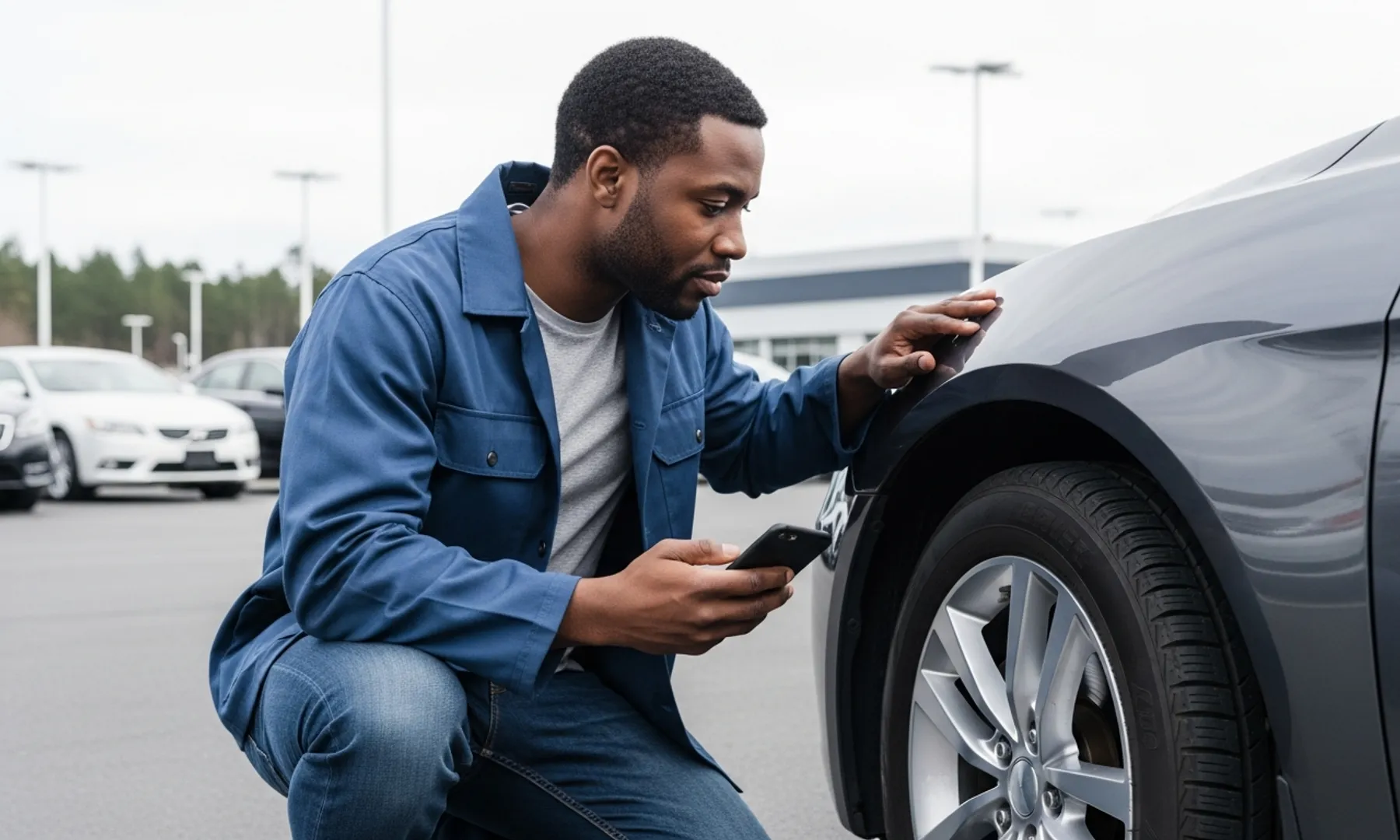
Navigating the 2026 Used Car Market: What's Different?
Buying a used car in 2026 isn't the same as it was a few years ago. The market has stabilized somewhat from its pandemic highs, but new factors are at play.
More electric vehicles (EVs) are entering the used market, changing supply and demand dynamics. You'll also find advanced driver-assistance systems (ADAS) are common even on older models.
And for the first time, AI-powered tools are moving beyond just dealers. They now offer insights directly to consumers, helping you spot true value.
Understanding these shifts is your first step to securing a genuinely fair deal. Without this knowledge, you could easily overpay by hundreds, if not thousands, of dollars.
Getting Your Fair Price: AI-Powered Valuation Tools
The cornerstone of a fair deal is knowing the car's true market value. In 2026, this goes beyond just checking Kelley Blue Book or Edmunds.
Many online platforms now use advanced AI algorithms to analyze millions of recent sales. These tools consider factors like mileage, condition, local demand, and even specific feature packages.
For example, a 2023 Honda CR-V with 30,000 miles in Phoenix might fetch $26,500. But the same model with a specific trim package in a high-demand area like Seattle could be valued at $28,000. AI helps pinpoint these regional differences.
These platforms often provide a range, like $25,000 to $28,000. Aim to negotiate within the lower half of this range, especially for private sales.
The Essential Pre-Purchase Inspection (PPI): Don't Skip It
Even a car that looks pristine on the lot can hide expensive problems. A pre-purchase inspection (PPI) by an independent mechanic is non-negotiable.
This small investment, typically $150-$250, can save you thousands in future repairs. The mechanic will check everything from engine health to suspension components.
They'll look for signs of previous accidents, fluid leaks, and worn-out parts. And they’ll connect diagnostic tools to check for hidden error codes that the seller might have cleared.
| Inspection Area | What the Mechanic Checks |
|---|---|
| Engine & Transmission | Fluid levels, leaks, unusual noises, shifting performance |
| Brakes | Pad wear, rotor condition, fluid, lines |
| Tires & Wheels | Tread depth, uneven wear, alignment, wheel damage |
| Suspension | Shocks, struts, bushings, steering components |
| Electrical | Lights, battery, alternator, power windows, AC |
| Frame & Body | Rust, accident damage, panel gaps, paint condition |
If the seller refuses a PPI, consider it a major red flag. There are plenty of other used cars available, especially in the 2026 market.
Decoding Vehicle History Reports: Carfax vs. AutoCheck
Before you even consider a PPI, get a vehicle history report. This report acts as a car's resume, detailing its past.
The two main players are Carfax and AutoCheck. Both provide crucial data, but their strengths can differ slightly.
Carfax is often preferred for its detailed accident reporting and service history. It can show you every oil change, tire rotation, and major repair logged.
AutoCheck focuses more on title issues and provides a score that compares the vehicle to similar models. This score can be a quick indicator of potential problems.
Look for consistent mileage readings, no salvage or flood titles, and a reasonable number of owners. A car with a significant accident history might be cheaper, but it could also lead to higher insurance premiums or future repair headaches.
Smart Financing for Your Used Car Deal
Many buyers focus only on the car's price and forget about the cost of borrowing. Your financing choice can add thousands to your overall expense.
Start by getting pre-approved for a loan from your bank or a local credit union. This gives you a baseline interest rate and a budget to work with.
For instance, a $25,000 loan at 7.5% APR over 60 months will cost you about $501 per month. But at 9.5% APR, that jumps to $523 per month, adding $1,320 over the loan term.
| Lender Type | Pros | Cons |
|---|---|---|
| Banks | Competitive rates, familiar process | Stricter credit requirements |
| Credit Unions | Often lower rates, member focus | May require membership |
| Dealerships | Convenience, multiple lenders | Might mark up interest rates |
Knowing your pre-approved rate gives you leverage when negotiating with a dealership. If they can't beat your rate, you know you have a solid alternative.
And always read the fine print. Watch out for hidden fees or extended warranty packages tacked onto your loan without your full understanding.
Negotiating Your Best Deal in 2026
Negotiation is where you put all your research to work. Approach it with confidence, backed by your valuation data and PPI findings.
Start by making an offer below the seller's asking price but above your target price. A common strategy is to offer 10-15% below asking, especially for private sellers.
If the PPI revealed issues, use those as negotiation points. "The mechanic found the brakes need replacing soon; I'd need to factor in that $800 repair cost."
Don't be afraid to ask for things like a full tank of gas, new floor mats, or even a small discount for immediate purchase. Every dollar counts.
And remember, the dealership's first offer is rarely their best. They expect you to counter.
Finalizing the Purchase: Paperwork and Protection
Once you agree on a price, the paperwork begins. This is where attention to detail prevents future headaches.
Ensure the vehicle title is clean and correctly signed over to you. Verify that the Vehicle Identification Number (VIN) on the title matches the car itself.
Understand any warranty options. Some used cars come with a manufacturer's certified pre-owned (CPO) warranty. Others might have a short dealer warranty, or be sold "as-is."
For private sales, create a bill of sale that includes:
- Your name and the seller's name
- The vehicle's make, model, year, and VIN
- The agreed-upon purchase price
- Date of sale and signatures of both parties
Check your state's lemon laws for used cars. While federal lemon laws generally apply to new vehicles, some states, like Massachusetts or New Jersey, offer protections for used car buyers.
This could offer recourse if a major defect appears shortly after purchase. But often, buying 'as-is' means you accept the risk.
Your Next Step to a Fair Used Car Deal
Buying a used car in 2026 requires diligence, but it's entirely possible to get a fantastic deal. Leverage the AI valuation tools, invest in that PPI, and arm yourself with market knowledge.
Don't let the excitement of a new-to-you car override your common sense. Take your time, ask questions, and be prepared to negotiate every aspect of the deal.
Start by checking current used car listings on sites like CarMax and Carvana to get a feel for prices. Then, secure your pre-approved financing.
Remember, a fair deal isn't just about the lowest price; it's about getting the right car at a reasonable cost, without hidden surprises. Go get that deal.