Your next refrigerator could cost $100 to $500 more in 2026. Looming tariffs on imported appliances are set to hike prices across the board. Most US shoppers are unaware of how these policies impact their wallets. Don't get caught off guard; understand how to prepare now.
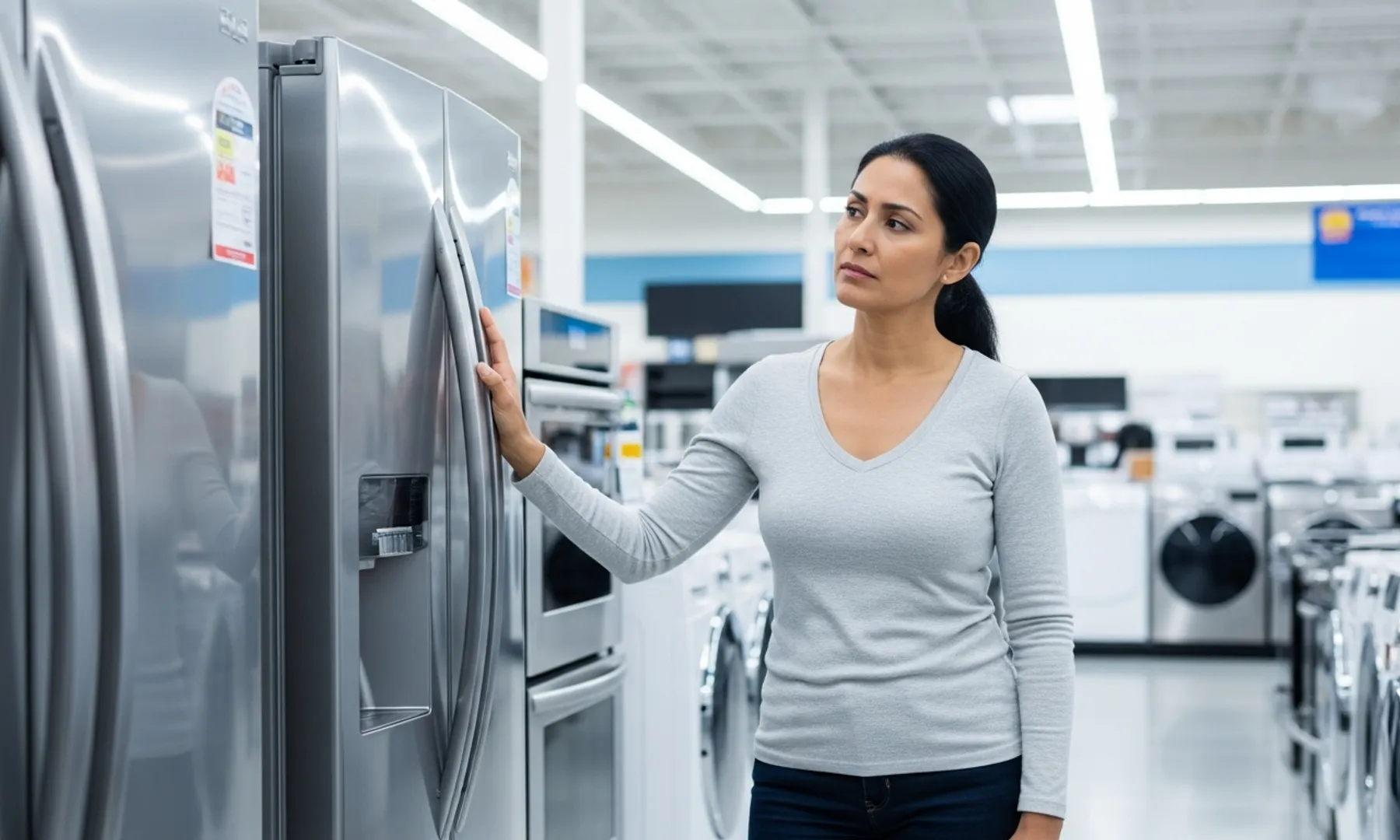
The Looming Price Hike for US Appliances
The thought of buying a new refrigerator or washing machine can already feel daunting, given the typical price tags. But for US shoppers, those costs are poised to climb even higher in 2026. This isn't just about general inflation; it's a direct consequence of potential new or expanded government tariffs on imported appliances.
These trade policies could add hundreds of dollars to your next major appliance purchase, making smart shopping strategies more critical than ever. Imagine you're a homeowner in Phoenix, planning a kitchen renovation for late 2026. You've budgeted for new appliances, but suddenly, the fridge you wanted is 15% more expensive, and the dishwasher is also up.
Understanding these impending tariff impacts now can help you prepare your budget and make informed decisions. It's about getting ahead of the curve rather than being caught by surprise.
What Are Tariffs and Why Do They Impact Your Wallet?
Tariffs are essentially taxes levied by a government on goods imported from other countries. For instance, if the US imposes a 10% tariff on imported washing machines, that 10% tax is added to the cost of the appliance as it enters the country. This additional expense is typically absorbed by importers—like appliance brands or major retailers—who then pass it on to consumers.
So, when you see a higher price tag at your local Home Depot or Best Buy, a portion of that increase could be directly attributed to these government-imposed duties. The aim of tariffs is often to protect domestic industries, encourage local manufacturing, or address trade imbalances with specific nations. However, a common side effect is higher prices for everyday goods, impacting the wallets of millions of American families.
Which Appliances Could See the Biggest Price Jumps in 2026?
Not all appliances will feel the tariff pinch equally. Products with a high reliance on imported components, or those largely manufactured overseas, are most vulnerable to significant price hikes. Many major kitchen and laundry appliances fall into this category due to complex global supply chains.
For example, a high-tech refrigerator often contains compressors, circuit boards, and specialized steel that might originate from various countries before final assembly. If tariffs are applied to these parts or the finished product, the cost quickly escalates. Similarly, washing machines and dishwashers frequently incorporate motors and electronic controls from international suppliers, making them susceptible to these trade taxes.
| Appliance Category | Potential 2026 Price Increase (Estimate) | Primary Exposure |
|---|---|---|
| Refrigerators | $100 - $350 | Compressors, Electronics, Specialized Steel |
| Washing Machines | $80 - $250 | Motors, Control Boards, Assembly |
| Dishwashers | $70 - $200 | Pumps, Sensors, Stainless Steel Components |
| Ovens/Ranges | $90 - $300 | Heating Elements, Digital Displays, Steel |
| Microwaves | $20 - $70 | Magnetrons, Assembly, Basic Components |
These figures are estimates based on historical tariff impacts and current manufacturing trends. The actual increase will vary depending on the specific tariff rates and the appliance's country of origin.
Beyond the Price Tag: How Tariffs Affect Appliance Choices
The impact of tariffs extends beyond just the sticker price. They can also subtly influence your appliance choices and the overall market. One significant effect is a potential reduction in market competition. If imported appliances become prohibitively expensive, some international brands might scale back their offerings in the US, leaving fewer options for consumers.
This could mean less variety, particularly in the budget-friendly or highly specialized segments. Furthermore, tariffs can sometimes stifle innovation. Manufacturers might hesitate to introduce cutting-edge features or new models if the cost of importing advanced components becomes too high. Shoppers might then see slower technological advancements in their appliance options.
Another concern is the potential for brands to seek cheaper materials or simplify designs to absorb tariff costs without drastically raising prices. This could inadvertently affect the long-term durability or performance of certain models. Always scrutinize product reviews, warranty terms, and energy efficiency ratings before making a purchase, especially in a tariff-affected market.
Top Appliance Brands: Who Might Feel the Pinch More?
The degree to which an appliance brand feels the tariff pinch often depends on its manufacturing footprint. Brands like Whirlpool, which owns popular names such as Maytag and KitchenAid, have substantial manufacturing operations within the United States. While they still rely on globally sourced components, their domestic assembly might offer some buffer against tariffs on fully imported finished goods.
In contrast, global giants like Samsung and LG, headquartered in South Korea, and Germany's Bosch, often import a higher percentage of their finished appliances or key sub-assemblies into the US. These brands could face more direct and significant cost pressures from tariffs, which would likely translate into higher retail prices for their popular models. For instance, a new Samsung smart refrigerator might see a larger percentage increase than a comparable Whirlpool model.
Retailers like Home Depot, Lowe's, and Best Buy will also play a crucial role. They will have to decide how much of the increased costs to pass on, potentially adjusting their inventory to favor less tariff-affected brands or offering fewer aggressive promotions to maintain their profit margins. This could shift the landscape of what's readily available and at what price point.
Smart Shopping Strategies to Beat 2026 Appliance Tariffs
Preparing for potential appliance tariff hikes in 2026 requires a proactive approach. One of the most effective strategies is to consider the timing of your purchases. If you know an appliance will need replacing soon, evaluating an upgrade in late 2025 could save you money. Retailers often clear out existing inventory before new, higher-cost shipments arrive, so you might catch some pre-tariff deals.
Secondly, don't underestimate the power of sales events. Keep a close watch on traditional discount periods like Black Friday, Cyber Monday, Memorial Day, and Labor Day. While discounts might be less steep if tariffs are already in full swing, these remain your best opportunities to find reduced prices. You might even find specific appliance deals that are still tied to older, pre-tariff stock.
Finally, explore bundling options. Many major retailers offer significant discounts when you purchase multiple appliances together, such as a full kitchen suite. If you need a new refrigerator, oven, and dishwasher, buying them as a package could offset a substantial portion of the individual tariff-induced price increases. This strategy is especially valuable for homeowners undertaking larger renovation projects.
Planning Your Appliance Purchases: Timing and Tools
Effective planning starts with researching current prices for any appliances you anticipate needing. Use online price tracking tools or browser extensions that monitor price fluctuations at major retailers like Home Depot, Lowe's, and Best Buy. This gives you a baseline to understand the true impact of any future price hikes and helps you identify genuine sales.
Also, don't overlook cost-saving alternatives like refurbished or open-box appliances. Many reputable dealers, and even some manufacturers, sell these models at significant discounts. Often, they come with full warranties and have only minor cosmetic blemishes or were simply display units. For example, a scratch-and-dent outlet could offer a high-end LG refrigerator for hundreds less than retail, even with tariffs applied.
Another smart move is to prioritize energy-efficient models. While they might have a slightly higher upfront cost, an ENERGY STAR certified appliance can lead to substantial savings on your utility bills over its lifespan. For instance, upgrading to an efficient washing machine could save you $50 to $100 annually in electricity and water costs, effectively mitigating some of the tariff-driven price increase. You might also qualify for federal tax credits or state rebates, further reducing your out-of-pocket expenses.
The Long-Term Outlook: What to Watch for After 2026
The appliance market, influenced by trade policy, is constantly evolving. Beyond 2026, several factors will continue to shape appliance prices and availability for US shoppers. Keep an eye on policy changes, as new political administrations or shifting global trade relationships could lead to adjustments in tariff rates, or even the introduction of new ones. Major economic news and trade negotiations are worth monitoring if you're planning future large purchases.
Manufacturers will also adapt by diversifying supply chains and potentially increasing domestic production. This could reduce their reliance on tariff-affected imports over time, leading to different pricing strategies in the years following 2026. For example, some brands might invest in new US-based factories to produce components that were previously imported.
Ultimately, the market will find a new equilibrium between innovation and cost. Appliance makers will face the challenge of offering cutting-edge features while keeping products affordable. This might result in a greater focus on value-oriented models or more transparent pricing that highlights the cost of advanced technology. For US shoppers, staying informed and adopting smart purchasing habits will remain crucial for navigating the shifting landscape of appliance prices.
Disclaimer
The information provided in this article is for general informational purposes only and should not be considered professional advice. While we strive to keep the content accurate and up to date, we make no guarantees of completeness or reliability. Readers should do their own research and consult a qualified professional before making any financial, medical, or purchasing decisions.