Dog-Friendly Travel: Essential Tips for Road Trips and Flights with Your Canine
Most dog owners miss one crucial document or rule, risking a $150 airline fine or a grounded flight. Don't let a forgotten health certificate or overlooked hotel policy ruin your 2026 travel plans. Learn the essential US-specific tips for smooth road trips and flights with your dog.
Your Canine Co-Pilot: Navigating Dog-Friendly Adventures
Planning a trip with your dog can feel overwhelming. You want to bring your furry family member along, but the logistics of road trips and flights often create stress.
Many pet parents worry about airline policies, hotel restrictions, or simply keeping their dog comfortable and safe away from home. This guide cuts through the confusion, offering practical, US-specific advice to make your next adventure smooth for both you and your canine.
We'll cover everything from pre-trip vet checks and essential paperwork to navigating airports and finding the perfect pet-friendly hotel. You'll learn how to avoid common pitfalls and ensure your dog enjoys the journey as much as the destination.
Before You Go: Essential Prep & Paperwork
Getting ready for a trip with your dog starts long before you pack your bags. A crucial first step is a visit to your veterinarian, ideally a few weeks before you leave.
Your vet can ensure your dog is up-to-date on all vaccinations, like rabies and distemper, which are often required for travel and boarding. They can also issue a health certificate, a document often mandatory for interstate or air travel, confirming your dog is healthy enough to fly and free of contagious diseases.
For flights, the USDA Endorsement Office must often endorse these health certificates, especially for international travel, adding extra time and cost, typically around $38-$175. Always check state and airline-specific requirements well in advance; a missed deadline can cost you your trip.
Make sure your dog is microchipped and that your contact information is current. Attach visible ID tags to your dog's collar with your cell phone number and destination contact details. This simple step can be a lifesaver if you get separated.
Choosing Your Ride: Road Trips with Your Canine
Hitting the open road with your dog offers flexibility and freedom. But safety should be your top priority.
Never let your dog roam freely in the car. Unrestrained dogs can distract the driver or become dangerous projectiles in an accident. Many states, like Hawaii and New Jersey, even have laws requiring pets to be restrained.
Invest in a crash-tested car harness (brands like Kurgo or Sleepypod offer excellent options) or a secure travel crate. A good quality harness can cost between $40 and $100. Secure the crate so it can't slide around.
Plan frequent stops every two to three hours for potty breaks, water, and a quick stretch. Bring plenty of fresh water and a collapsible bowl.
Some dogs experience motion sickness. Talk to your vet about anti-nausea medications if this is a concern. Keep a blanket or favorite toy with them to provide comfort, especially if they're prone to anxiety.
Taking to the Skies: Flying with Your Dog
Flying with your dog requires meticulous planning. Airline policies vary widely and can change, so always check your specific airline's pet policy before booking.
Most airlines, like Delta, United, and American Airlines, allow small dogs to fly in the cabin if they fit under the seat in an approved carrier. These in-cabin fees typically range from $125 to $150 each way. The carrier must be soft-sided, well-ventilated, and meet specific dimensions (e.g., 18" L x 11" W x 11" H for many carriers).
Larger dogs usually must fly as cargo, which is generally riskier and more expensive, often costing $200-$500 or more depending on size and destination. Many airlines have breed restrictions or temperature embargoes for cargo travel, especially during extreme weather in places like Phoenix or Minneapolis.
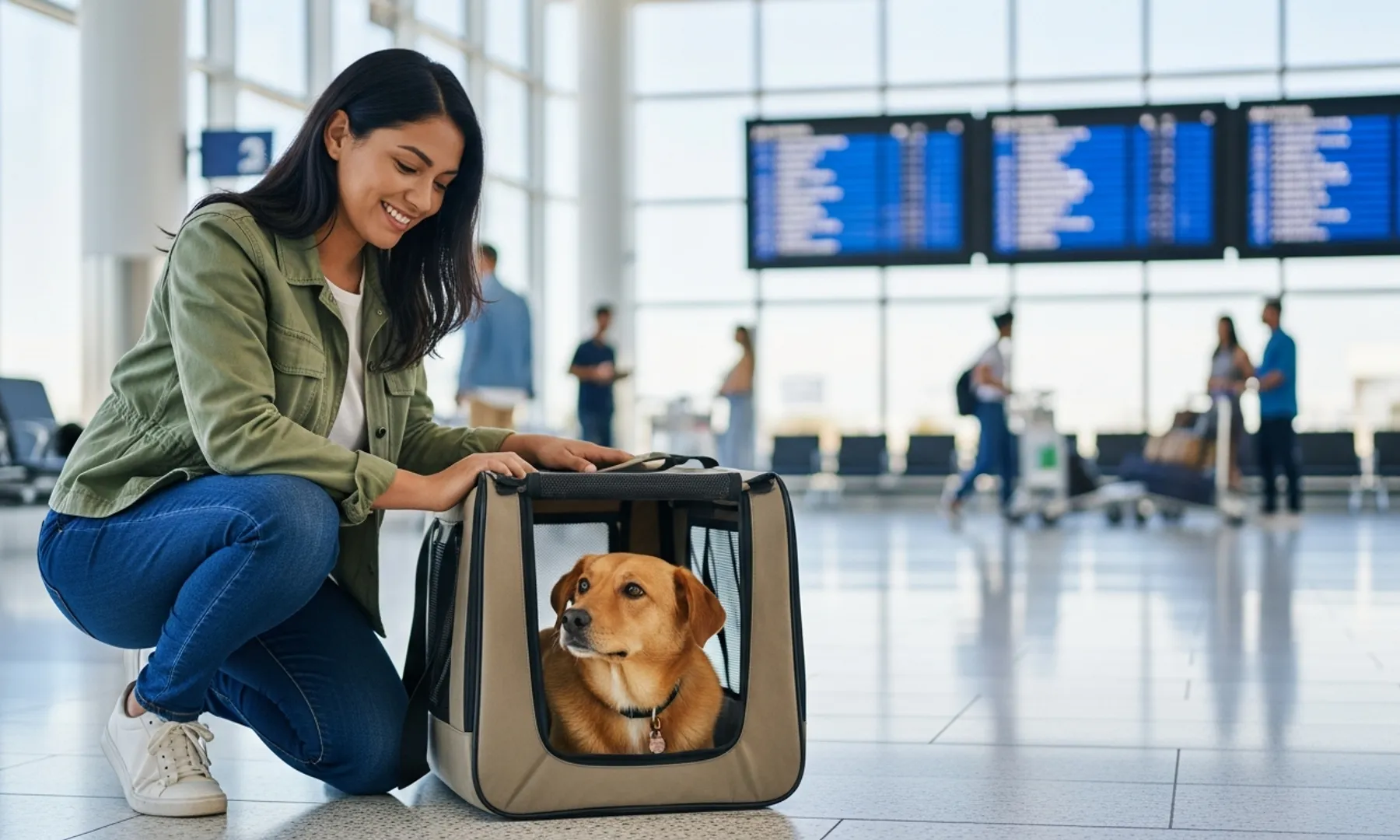
At the airport, your dog will need to stay in their carrier, except when going through security. You'll carry them through the metal detector, and the carrier will go through the X-ray machine. Look for designated pet relief areas, which are available at most major US airports.
| Airline | In-Cabin Fee (One Way) | Cargo Availability | Restrictions/Notes |
|---|---|---|---|
| Delta | ~$125 | Limited (seasonal, breed) | Carrier size limits, max 1 pet per passenger |
| United | ~$125 | Yes (via PetSafe) | Temperature restrictions, health certificate required |
| American | ~$150 | Yes (limited) | Breed restrictions, specific crate requirements |
| Southwest | ~$95 | No (in-cabin only) | Only small pets, no cargo service for pets |
Remember, flying can be stressful for dogs. Talk to your vet about calming techniques or medications, but avoid sedatives unless specifically recommended, as they can cause respiratory and cardiovascular problems at high altitudes.
Finding Dog-Friendly Stays: Hotels & Beyond
Finding accommodation that welcomes your dog is easier than ever, but it still requires research. Many hotel chains now proudly advertise their pet-friendly policies.
Brands like Kimpton Hotels are famously dog-friendly, often with no size or weight restrictions and no extra fees. Others, like Marriott and Hilton brands, often have specific pet policies, including weight limits (e.g., under 50 lbs), limits on the number of pets, and non-refundable pet fees, which can range from $25 to $150 per night or per stay.
Always call the specific hotel location directly to confirm their current pet policy, even if the website says they are pet-friendly. Policies can vary from one property to another within the same brand. Ask about any designated pet relief areas or dog parks nearby.
Vacation rentals through platforms like Airbnb or VRBO can also be a great option, offering more space and a home-like environment. Use the 'pet-friendly' filter in your search, but again, always message the host to confirm details and any additional pet deposits or cleaning fees.
Packing Smart: Canine Travel Essentials Checklist
A well-packed bag for your dog ensures you have everything you need on the go. Missing one key item can lead to unnecessary stress or expense.
Here’s a checklist of essentials to pack for your canine companion:
- Food & Water: Pack enough of their regular food for the entire trip, plus a few extra days' worth. Bring bottled water or a filter if you're unsure about local water quality. Don't forget their regular food and water bowls, or collapsible travel bowls.
- Medications & First-Aid: All prescription medications, clearly labeled. A basic pet first-aid kit with bandages, antiseptic wipes, tweezers, and any specific items your vet recommends.
- Leash, Collar & Harness: Always have a sturdy leash, an extra collar, and their everyday harness. Consider a longer lead for safe exercise in open areas.
- Comfort Items: Their favorite bed, blanket, or a few familiar toys can provide comfort and reduce anxiety in new surroundings. A chew toy can also help with boredom.
- Waste Bags: Pack plenty! Being a responsible pet owner means cleaning up after your dog, no matter where you are.
- Grooming Supplies: A brush, wipes for quick cleanups, and a towel, especially if you plan on outdoor adventures.
- Vaccination Records & Health Certificate: Keep these in a waterproof pouch, easily accessible, especially for flights or border crossings.
Keeping Your Dog Happy & Healthy on the Go
Travel can be exciting, but it's also a break from routine, which can stress some dogs. Prioritize their well-being throughout the journey.
Maintain their feeding schedule as much as possible. Offer small, frequent meals if they're prone to an upset stomach. Ensure constant access to fresh water to prevent dehydration, especially in warmer climates like Florida or Arizona.
Regular exercise is key. Even on a road trip, a 15-20 minute walk at a rest stop can make a huge difference. For flights, take advantage of airport pet relief areas for last-minute potty breaks before boarding.
Observe your dog closely for signs of stress or illness. Excessive panting, drooling, lethargy, or loss of appetite could signal a problem. Know the location of veterinary emergency clinics along your route or at your destination.
Consider pet insurance for peace of mind. Plans from providers like Lemonade or Embrace Pet Insurance can cover unexpected vet bills from accidents or illnesses while traveling. A comprehensive plan might cost $30-$70 per month, but could save you thousands if an emergency arises away from your regular vet.
Making Memories: Enjoying Your Dog-Friendly Adventure
With proper planning, traveling with your dog can create unforgettable memories. Look for opportunities to include them in your activities.
Many US national parks and state parks offer pet-friendly trails and designated areas. Always check their specific rules before visiting. Explore dog-friendly breweries, outdoor cafes, and local attractions in cities like Portland, Oregon, or Asheville, North Carolina.
Remember to be flexible. Your dog might need more breaks or quiet time than you anticipated. Adjust your schedule to accommodate their needs, and don't push them beyond their comfort zone.
Returning home, give your dog time to decompress and get back into their routine. They might be tired or a little disoriented from the journey.
Planning ahead for your dog's needs ensures a smoother, more enjoyable trip for everyone. Start researching airline pet policies and pet-friendly hotels today to secure your preferred options for 2026 travel.