
You Need a Reliable Used Car: How to Avoid Buyer's Remorse and Get a Good Deal
Americans lose $3,400 on average buying used cars due to skipped inspections and financing mistakes. One $150 pre-purchase check prevents thousands in hidden repair costs most buyers discover too late.
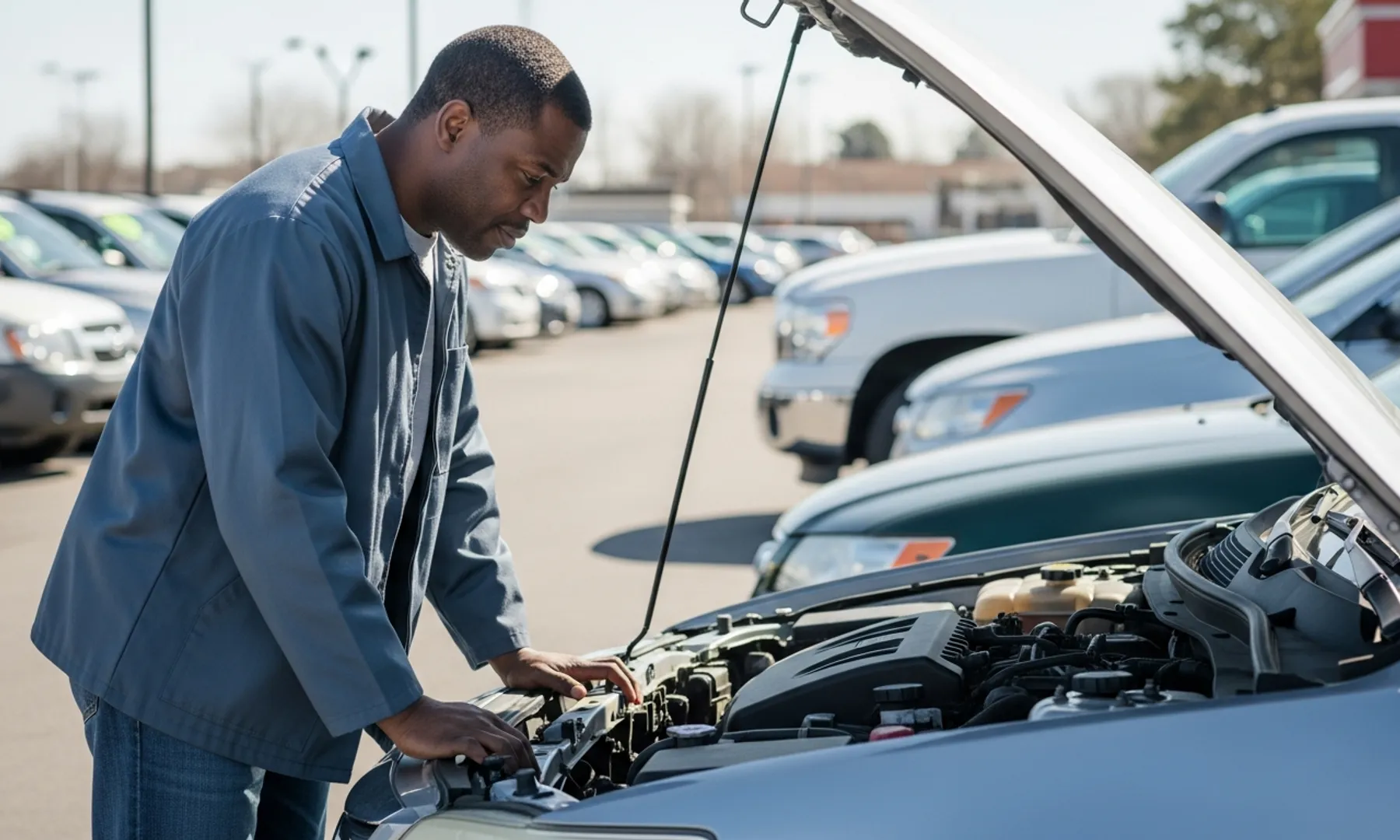
The Hidden Costs of Used Car Mistakes
Americans lose an average of $3,400 on used car purchases due to avoidable mistakes. The biggest culprit? Skipping the pre-purchase inspection that costs $150 but saves thousands.
Used car prices have stabilized in 2026, but the average transaction still hits $28,500. With interest rates averaging 7.8% for used auto loans, a bad purchase decision compounds quickly. That "great deal" on a 2019 Honda Civic becomes a financial nightmare when the transmission fails three months later.
The good news: reliable used cars exist at every price point. You just need to know where to look and what red flags to avoid.
Research Before You Shop: The 48-Hour Rule
Never buy a used car the same day you see it. Dealers and private sellers count on impulse purchases to hide problems.
Start with these research steps:
- Check market value on three sources: Kelley Blue Book, Edmunds, and Cars.com all provide different perspectives on fair pricing
- Run the VIN through multiple databases: Carfax costs $40, AutoCheck costs $25, and the National Insurance Crime Bureau offers free theft checks
- Research common problems for that model year: Toyota forums, Honda-Tech, and manufacturer TSBs (Technical Service Bulletins) reveal known issues
- Calculate total ownership costs: Factor in insurance, maintenance, and expected repairs for the first two years
A 2020 Toyota Camry with 45,000 miles should cost around $24,800 in good condition. If someone offers it for $19,500, ask why.
Best Used Car Brands for Reliability in 2026
Consumer Reports and J.D. Power consistently rank these brands for long-term reliability:
| Brand | Reliability Score | Average Repair Cost/Year | Best Models |
|---|---|---|---|
| Toyota | 9.2/10 | $441 | Camry, Corolla, RAV4 |
| Honda | 8.9/10 | $468 | Civic, Accord, CR-V |
| Mazda | 8.7/10 | $521 | CX-5, Mazda3, CX-9 |
| Subaru | 8.4/10 | $617 | Outback, Forester, Impreza |
| Hyundai | 8.1/10 | $556 | Elantra, Tucson, Santa Fe |
Avoid luxury brands for your first used car. A 2018 BMW 3 Series might cost the same as a 2020 Honda Accord, but the BMW's maintenance averages $1,200 annually versus $468 for the Honda.
The Pre-Purchase Inspection That Saves Thousands
A professional inspection costs $150-$200 but prevents catastrophic surprises. Find a mechanic who specializes in the brand you're considering.
Critical inspection points:
- Engine compression test: Reveals internal engine damage that costs $4,000+ to repair
- Transmission fluid condition: Dark, burnt-smelling fluid signals expensive transmission problems
- Brake system inspection: Worn rotors and pads indicate deferred maintenance
- Electrical system check: Modern cars have 50+ computer modules that fail expensively
The inspection should take 90 minutes and include a test drive on highways and city streets. Ask for a written report with photos of any issues found.
Financing Mistakes That Cost You Money
Dealer financing often carries higher rates than credit unions or banks. Shop for financing before you shop for cars.
Current average rates for used cars (60-month loans):
- Credit unions: 6.8-7.2%
- Community banks: 7.1-7.8%
- Dealer financing: 8.2-12.4%
- Online lenders: 7.5-9.1%
A $25,000 loan at 7% costs $495 monthly. The same loan at 10% costs $531 monthly. Over five years, you pay $2,160 more for the higher rate.
Get pre-approved for three reasons:
- You know your real buying power
- You can negotiate as a cash buyer
- You have leverage if the dealer offers financing
Credit unions like Navy Federal and PenFed offer excellent used car rates, even if you're not military.
Negotiation Strategies That Actually Work
Start negotiations based on the car's actual condition, not the asking price. Bring your research and inspection findings.
Effective negotiation tactics:
- Point out specific issues: "The brake pads need replacement in 5,000 miles, which costs $400"
- Reference market data: "Similar 2019 Accords with this mileage sell for $22,800 on Cars.com"
- Bundle repair costs: "Between the worn tires and needed brake service, I'm looking at $800 in immediate costs"
- Have a walk-away number: Decide your maximum price before you start talking
For private sellers, cash offers carry weight. For dealers, end-of-month timing helps because they need to hit sales quotas.
Never negotiate monthly payments. Dealers manipulate loan terms to hit your target payment while inflating the total price. Always negotiate the total purchase price first.
Red Flags That Signal Hidden Problems
Some warning signs appear obvious, but others hide in plain sight. Trust your instincts and investigate anything that feels off.
Immediate red flags:
- Mismatched paint or panel gaps (accident damage)
- Excessive wear on pedals but low odometer reading (potential rollback)
- Multiple previous owners in a short timeframe
- No maintenance records or receipts
- Reluctance to allow test drives or inspections
Subtle warning signs:
- Interior wear that doesn't match mileage
- Aftermarket parts on a "stock" car
- Fresh oil change right before sale (hiding leaks)
- Seller pushes for quick sale without negotiation
Paperwork and Legal Protection
Proper documentation protects you from fraud and liability issues. Never skip these steps, even for private sales.
Required documents:
- Clear title in seller's name (no liens unless properly handled)
- Bill of sale with VIN, odometer reading, and "as-is" condition noted
- Maintenance records and any warranty information
- Registration and insurance proof
For dealer purchases, verify:
- All fees are itemized (documentation fees over $300 are negotiable)
- Extended warranty terms if purchased
- Return policy details (most used cars are "as-is")
- Financing terms match what you agreed to
Title transfer happens at the DMV within 30 days. Some states require emissions testing before registration. Budget $200-$400 for title transfer, registration, and immediate insurance.
Your Next Steps to Smart Used Car Buying
Start your search with a realistic budget that includes taxes, fees, and immediate repairs. Most reliable used cars need $500-$1,000 in maintenance during the first year.
Action plan for this week:
- Get pre-approved for financing from your credit union
- Research three specific models that fit your needs and budget
- Find a trusted mechanic who can perform pre-purchase inspections
- Set up saved searches on Cars.com, AutoTrader, and Craigslist
Before you buy any car:
- Run the VIN through Carfax or AutoCheck
- Schedule a professional inspection
- Test drive in various conditions (city, highway, parking)
- Verify all paperwork is complete and accurate
A reliable used car serves you for years without major surprises. Take time upfront to avoid expensive regrets later.
Disclaimer
The information provided in this article is for general informational purposes only and should not be considered professional advice. While we strive to keep the content accurate and up to date, we make no guarantees of completeness or reliability. Readers should do their own research and consult a qualified professional before making any financial, medical, or purchasing decisions.