Stop losing hundreds each year on convenience foods. These 7 kitchen appliances pay for themselves in under 6 months, saving you up to $1,000 annually. Are you missing out on these easy kitchen savings?
Stop Wasting Money: How Kitchen Appliances Can Pay You Back
In 2026, household budgets in the US are tighter than ever, and every dollar counts. Many Americans are looking for smart ways to save, especially when it comes to daily expenses like food and coffee.
But what if some kitchen appliances weren't just about convenience, but actually *saved* you money? We're talking about tools that can recoup their entire purchase price in less than six months through reduced takeout, smarter grocery choices, and lower energy bills. It's like getting a return on investment right in your kitchen.
Calculating Your Appliance Payback: The Simple Math
Understanding how an appliance "pays for itself" comes down to simple math: (Appliance Cost) / (Weekly Savings) = Weeks to Payback. For example, a $150 air fryer that saves you $25 a week on takeout means it pays for itself in just six weeks.
These savings come from various sources. You might cut down on expensive coffee shop visits, reduce your grocery bill by making things from scratch, or even save on energy compared to using your full-sized oven. Let's look at seven specific appliances that consistently deliver fast returns.
1. The Air Fryer: Your Fast Track to Cheaper Meals
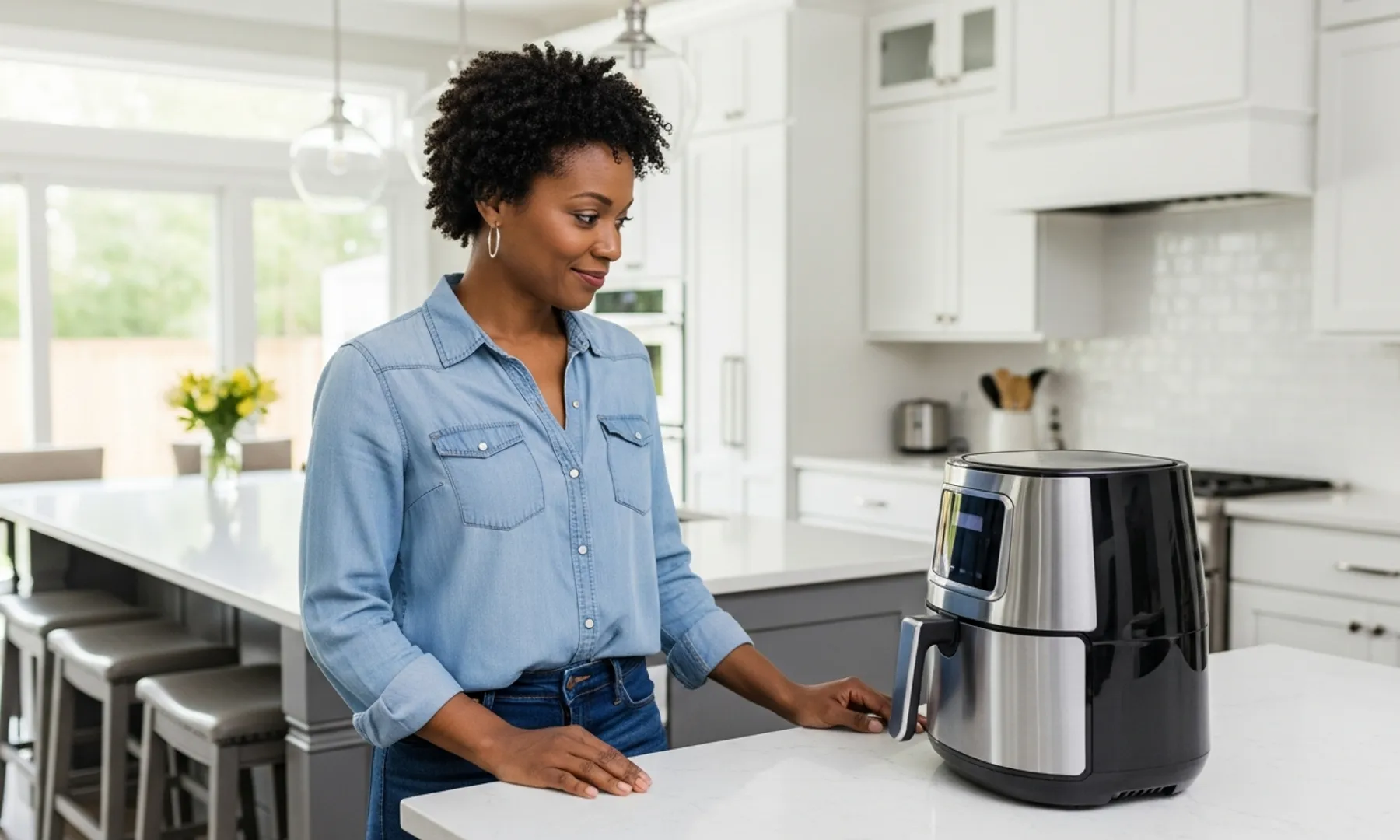
An air fryer isn't just for crispy fries; it’s a versatile appliance that can drastically cut down on takeout. Instead of ordering a $15-$20 meal, you can make a healthier, equally delicious version at home for a fraction of the cost.
Most families report saving $20 to $50 per week by cooking more meals at home with their air fryer. With models like the Ninja Foodi or Cosori Smart Air Fryer ranging from $80 to $200, many users see a full payback in as little as two to four months. It also cooks faster than a conventional oven, saving on electricity.
2. The Home Espresso Machine: Ditch the Daily Coffee Run
Your daily $5 latte from Starbucks or Dunkin' adds up fast, costing you over $100 a month. Investing in a home espresso machine can eliminate this expense almost entirely.
Entry-level espresso machines, like the De'Longhi Dedica or Nespresso Vertuo, typically cost between $150 and $300. If you spend $5 a day on coffee, you're saving $25 a week, meaning your machine could pay for itself in just six to twelve weeks. That's a huge return on investment.
Consider the cost of pods versus fresh beans. While convenient, pods can be pricier long-term. A machine using fresh ground beans offers more savings and better customization.
3. The Instant Pot or Multi-Cooker: Meal Prep Powerhouse
The Instant Pot revolutionized home cooking by combining a pressure cooker, slow cooker, rice cooker, and more into one device. This versatility helps you prepare healthy, budget-friendly meals in minutes, preventing expensive last-minute takeout orders.
By enabling you to cook dried beans, cheaper cuts of meat, and large batches of grains, an Instant Pot can easily save a family $30 to $70 per week on groceries and convenience meals. A typical Instant Pot costs between $70 and $150, meaning it pays for itself in just one to two months.
These appliances are also more energy-efficient than using a stovetop or oven for extended periods. You'll see savings on your utility bill, especially during winter in colder states like Minnesota or New York.
4. The Soda Maker: Cut Your Bottled Beverage Bill
If your fridge is stocked with sparkling water or soda, a SodaStream or similar soda maker can be a game-changer. Buying bottled beverages regularly is a significant recurring expense.
A SodaStream machine costs around $80 to $150, including a starter CO2 cylinder. If you spend $15 a week on bottled drinks, you'll save $60 a month, making the machine pay for itself in two to three months. Refill cylinders typically cost $15-$20 and make dozens of liters.
This appliance helps reduce plastic waste, too. You can find these at retailers like Walmart and Amazon, often with bundle deals on flavor syrups.
5. The Bread Maker: Fresh Bread, Real Savings
Artisan bread from the grocery store can cost $4-$7 a loaf, and even basic sandwich bread adds up. A bread maker allows you to bake fresh, delicious bread for less than $1 per loaf, using simple ingredients.
With models like the Zojirushi Home Bakery or Cuisinart Bread Maker typically priced between $100 and $200, a bread maker can save you $5 to $15 per week if you regularly buy bread. This means a payback period of three to six months, depending on your consumption.
Beyond the cost savings, you control the ingredients, avoiding preservatives and artificial additives often found in store-bought options. It's a healthier and tastier choice for families in places like Portland, Oregon, known for its love of local bakeries.
6. The Immersion Blender: Versatility for Soups and Sauces
An immersion blender, also known as a stick blender, is a compact and surprisingly powerful tool. It lets you create creamy soups, smoothies, sauces, and dressings directly in their cooking pot or container, saving you money on store-bought versions.
High-quality immersion blenders from brands like Cuisinart or KitchenAid usually cost between $30 and $80. If you regularly buy pre-made soups, dressings, or opt for expensive smoothies, this appliance can save you $10 to $30 per week.
This quick return means the immersion blender often pays for itself in just one to three months. It's also easy to clean, encouraging more home cooking and less reliance on costly convenience foods.
7. The Food Processor: Bulk Prep for Budget Meals
A food processor makes quick work of chopping, slicing, shredding, and pureeing, which is invaluable for meal prepping. By speeding up preparation, it encourages you to cook more from scratch and buy cheaper, whole ingredients.
Models from Cuisinart or Breville range from $100 to $250. If you find yourself buying pre-chopped vegetables, grated cheese, or expensive sauces because of time constraints, a food processor can easily save you $20 to $40 per week.
This appliance pays for itself in two to four months by enabling bulk cooking and reducing reliance on costly pre-packaged foods. Imagine making your own pesto or hummus for pennies compared to store prices.
Which Money-Saving Appliance is Right for Your 2026 Kitchen?
The best appliance for you depends on your current spending habits. Do you buy a daily coffee? Is takeout your go-to? Identifying your biggest "convenience" expenses will point you toward the most impactful investment.
Each of these appliances offers a clear path to recouping its cost quickly, often within a few months. Remember to factor in not just the purchase price, but the consistent savings they provide week after week.
| Appliance | Average Cost (USD) | Estimated Weekly Savings | Payback Period (Approx.) | Key Benefit for Savings |
|---|---|---|---|---|
| Air Fryer | $80 - $200 | $20 - $50 | 2-4 Months | Reduces takeout, faster cooking, energy efficient |
| Espresso Machine | $150 - $300 | $25 - $35 | 1-3 Months | Eliminates daily coffee shop purchases |
| Instant Pot | $70 - $150 | $30 - $70 | 1-2 Months | Enables budget meal prep, uses cheaper ingredients |
| Soda Maker | $80 - $150 | $10 - $20 | 2-4 Months | Stops buying bottled sparkling water/soda |
| Bread Maker | $100 - $200 | $5 - $15 | 3-6 Months | Replaces expensive store-bought bread |
| Immersion Blender | $30 - $80 | $10 - $30 | 1-3 Months | Makes homemade soups/sauces, avoids pre-made items |
| Food Processor | $100 - $250 | $20 - $40 | 2-4 Months | Speeds up bulk prep, reduces pre-chopped food purchases |
Start by calculating your own potential savings for each. Then, check current models and deals from retailers like Amazon, Best Buy, or your local appliance store to find the best fit for your budget and lifestyle.
Disclaimer
The information provided in this article is for general informational purposes only and should not be considered professional advice. While we strive to keep the content accurate and up to date, we make no guarantees of completeness or reliability. Readers should do their own research and consult a qualified professional before making any financial, medical, or purchasing decisions.