Choosing a Whitening Gel? Find the Best Option for Your Smile Goals
Most Americans waste $50-$100 on whitening gels that don't match their enamel or sensitivity. Don't risk uncomfortable side effects or wasted money. Discover how to pick the right gel based on your unique smile goals and avoid common mistakes for a brighter, healthier smile.
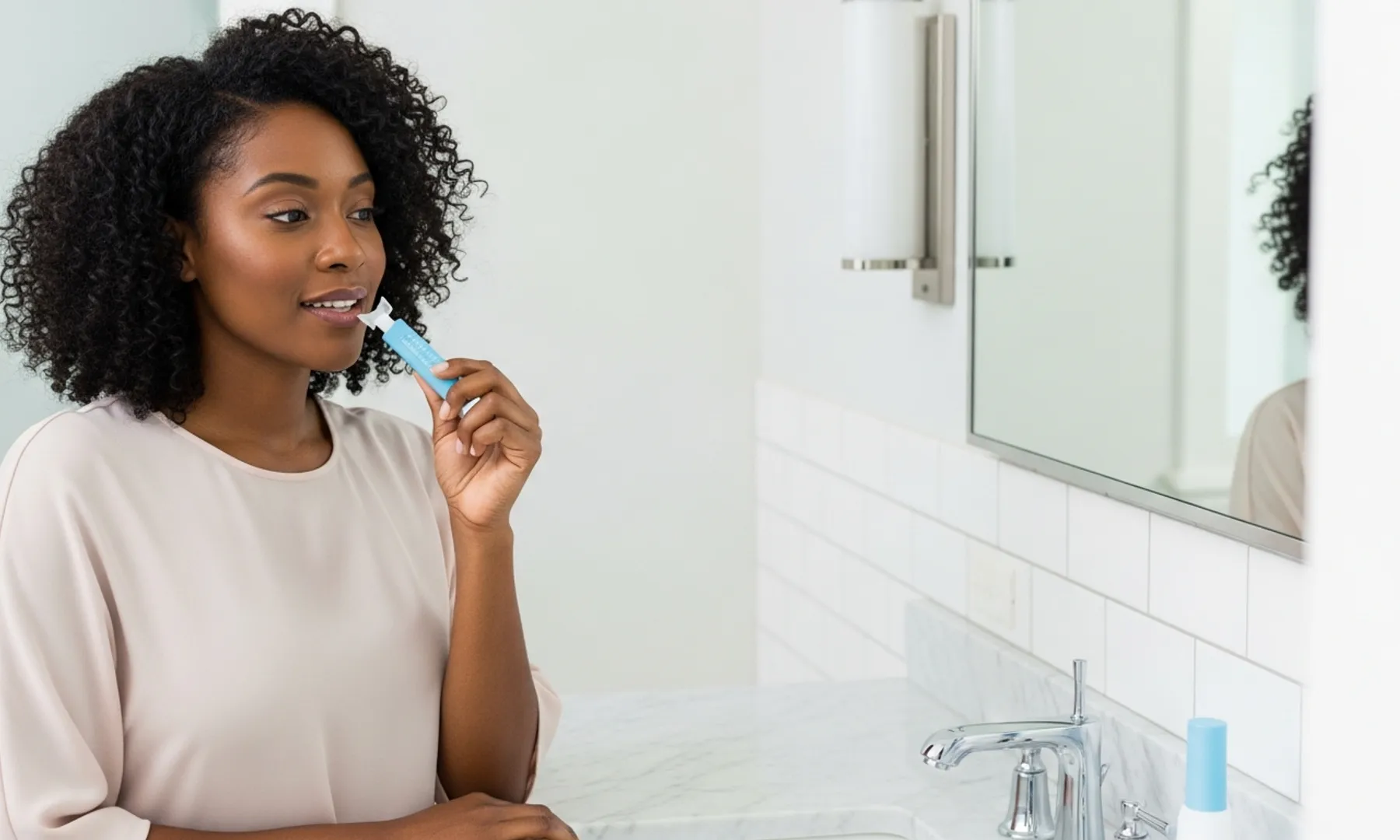
Stop Wasting Money on the Wrong Whitening Gel
Many Americans spend $50-$100 on teeth whitening gels only to find their results are uneven, or worse, their teeth become painfully sensitive. This often happens because they picked a product that doesn't match their unique dental profile or smile goals.
But choosing the right whitening gel doesn't have to be a gamble. Understanding the active ingredients and how they work is your first step. We'll break down the options so you can find a gel that delivers the bright, confident smile you're looking for without the common pitfalls.
Hydrogen Peroxide vs. Carbamide Peroxide: What's the Difference for Your Smile?
The two main active ingredients in most whitening gels are hydrogen peroxide and carbamide peroxide. While both work to break down stains, they do so at different rates and with varying levels of intensity.
Knowing which one suits your sensitivity levels and desired speed is crucial. Here's a quick look at how they compare and what that means for your teeth whitening journey.
Ingredient Comparison for Whitening Gels
| Ingredient | How it Works | Speed | Sensitivity Risk | Best For |
|---|---|---|---|---|
| Hydrogen Peroxide | Releases oxygen quickly, directly bleaching stains | Faster, more immediate results | Higher, especially at higher concentrations | Quick results, deep stains, less sensitive teeth |
| Carbamide Peroxide | Breaks down into hydrogen peroxide and urea, releasing oxygen slowly | Slower, more gradual results | Lower, gentler on teeth | Sensitive teeth, overnight use, less severe stains |
Understanding Your Smile Goals: Match Gel to Need
Before you buy, consider what you truly want from a whitening gel. Your lifestyle, natural tooth sensitivity, and the type of stains you have all play a role in finding your ideal match.
Think about your daily routine. Are you looking for a quick fix or a gradual transformation? This self-assessment will guide your choice.
I Need Fast Results for an Event
If you're gearing up for a wedding, graduation, or important job interview in a few weeks, speed is your priority. Gels with higher concentrations of hydrogen peroxide are usually the fastest acting. These can deliver noticeable results in as little as 3-7 days.
Many kits designed for rapid whitening use this ingredient. Just be mindful of potential sensitivity, especially if you're prone to it.
My Teeth are Sensitive
For many Americans, tooth sensitivity is a major concern when considering whitening. If hot or cold drinks already make you wince, opt for gels with carbamide peroxide.
Its slower release of peroxide means a gentler process, reducing the likelihood of discomfort. Look for lower concentrations, too, and consider products specifically marketed for sensitive teeth.
I Have Deep, Stubborn Stains
Years of coffee, red wine, or tobacco can leave deep, intrinsic stains that lighter gels struggle to lift. For these, a stronger approach might be necessary. Professional-grade gels, often prescribed by dentists, typically contain higher concentrations of hydrogen peroxide.
At-home kits with higher hydrogen peroxide levels can also be effective, but always follow instructions carefully to avoid irritation. Sometimes, multiple rounds of treatment are needed for tough stains.
I Want Affordable Daily Maintenance
Maybe you've already whitened your teeth and just want to maintain that brightness, or you have minor surface stains. Lower concentration gels, often carbamide peroxide-based, are perfect for this.
These can be used more frequently or for shorter durations. Many budget-friendly kits are designed for this kind of ongoing, gentle whitening.
Top Whitening Gel Systems in 2026: A Closer Look
The market offers a range of effective whitening gel systems. Each has its strengths, often tailored to specific needs like speed, sensitivity, or ease of use. Here's how some popular US options stack up for 2026.
Remember, prices are approximate and can vary by retailer and promotions.
Leading Whitening Gel Systems Comparison
| Product (Example) | Active Ingredient | Concentration | Application Method | Typical Price (USD) | Pros | Cons |
|---|---|---|---|---|---|---|
| Opalescence PF 15% | Carbamide Peroxide | 15% | Custom/Thermoforming Trays | $30-$60 | Dentist-recommended, good for sensitivity, effective for deep stains, various concentrations | Requires tray molding, can be messy, longer wear time |
| AuraGlow Whitening Gel | Carbamide Peroxide | 35% | Syringe with LED light & tray | $40-$70 | High concentration for faster results, includes LED accelerator, often comes with trays | Higher concentration can increase sensitivity for some, tray fitting can be an issue |
| Philips Zoom NiteWhite | Carbamide Peroxide | 10%-22% | Custom/Thermoforming Trays | $50-$90 | Professional strength, designed for overnight use, good for sensitivity, various strengths | Higher cost, dentist supervision often recommended, requires trays |
| Novashine Whitening Gel | Hydrogen Peroxide | 6% | Syringe with LED light & tray | $30-$50 | Fast-acting, includes LED light for acceleration, good value | Lower concentration might mean more applications for stubborn stains, can cause temporary sensitivity |
| GLO Science GLO Vials | Hydrogen Peroxide | 6%-10% | Brush-on applicator, no tray | $25-$50 (refills) | Ultra-convenient, no messy trays, good for on-the-go touch-ups | May require more frequent application for initial whitening, higher cost over time |
Application Methods: Trays, Pens, and Strips – Which is Right for You?
Beyond the gel itself, how you apply it significantly impacts your experience and results. Different methods suit different lifestyles and preferences.
Choosing the right application type can make your whitening routine much easier to stick with.
Common Application Methods
- Custom or Thermoforming Trays: These trays hold the gel against your teeth for an extended period. Custom trays from a dentist offer the best fit, while thermoforming (boil-and-bite) trays are a more affordable at-home option.
- Whitening Pens/Brush-on Gels: These convenient pens allow you to brush a thin layer of gel directly onto your teeth. They dry quickly and are great for touch-ups or targeted whitening.
- Whitening Strips: While not strictly gels, strips are pre-coated with a whitening agent and adhere to your teeth. They offer a mess-free, easy application for many users. Some brands, like Crest 3D Whitestrips, are very popular in the US.
Avoiding Common Mistakes and Maximizing Your Results
Even with the right gel, mistakes can derail your whitening efforts. Many people jump into whitening without preparing their teeth, leading to discomfort or disappointing outcomes.
Here are some essential tips to get the most out of your whitening gel and protect your smile.
Essential Whitening Tips
- Get a Dental Check-up First: Before starting any whitening regimen, visit your dentist. They can identify existing cavities or gum disease that could make whitening painful or ineffective.
- Clean Teeth are Key: Always brush and floss thoroughly before applying whitening gel. This allows the gel to make direct contact with your enamel, improving its effectiveness.
- Avoid Staining Foods and Drinks: During and immediately after whitening, limit coffee, tea, red wine, and dark sodas. Your teeth are more susceptible to staining during this period.
- Follow Instructions Precisely: Overuse or leaving gel on for too long won't make your teeth whiter faster. It will only increase your risk of sensitivity and gum irritation.
Maintaining Your Bright Smile: Long-Term Strategies
Achieving a whiter smile is just the first step. Keeping it bright requires ongoing effort and smart habits. Think of it as an investment you want to protect.
These strategies will help you prolong your results and enjoy your confident smile for longer.
Keep Your Smile Shining
- Consistent Oral Hygiene: Brush twice a day, floss daily, and use an antiseptic mouthwash. Good hygiene prevents new stains from forming.
- Use Whitening Toothpaste: Incorporate a non-abrasive whitening toothpaste into your routine. These can help remove surface stains before they set in.
- Strategic Touch-Ups: Many people use their whitening gel for short touch-up sessions every few months. This keeps your smile bright without needing a full re-treatment.
- Regular Dental Cleanings: Professional cleanings remove plaque and tartar that can dull your smile. Schedule them every six months to maintain optimal oral health and brightness.
Making Your Final Choice: A Personalized Recommendation
Choosing the best whitening gel truly depends on your individual needs. If you have sensitive teeth, lean towards carbamide peroxide at lower concentrations. For fast, dramatic results on non-sensitive teeth, hydrogen peroxide might be your pick. Consider your budget and how much time you're willing to commit to the process.
Now, compare current prices and product reviews at major US retailers like Amazon or Walmart. For personalized advice, consult your local dentist to discuss the best option for your unique smile goals.