EV Home Charger Installation What It Costs and Which Units Are Best in 2026
Are you paying $1,500 too much for your EV home charger? Many homeowners miss the $1,000 federal tax credit and critical local rebates. Discover how to save thousands and pick the perfect unit for your home in 2026.
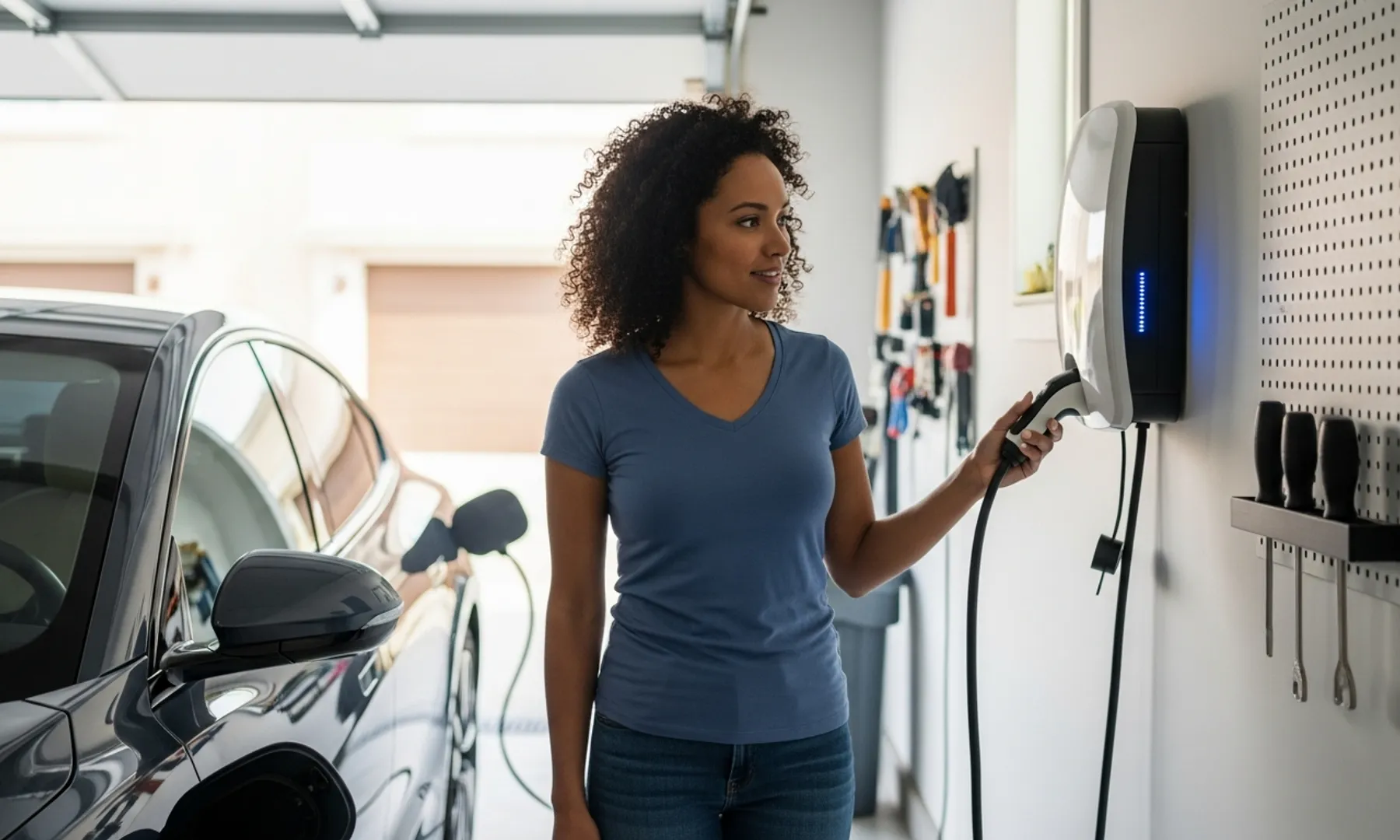
Powering Up Your EV at Home in 2026: What You Need to Know
Getting an electric vehicle (EV) home charger installed in 2026 typically costs between $1,800 and $3,500 for the unit and professional installation. This range can fluctuate widely based on your home's existing electrical system and the specific charger you choose. But with federal tax credits and state incentives, many Americans can significantly reduce this upfront expense.
Driving an EV means convenience, and a home charger is key to that convenience. You can wake up every morning with a 'full tank,' ready for your commute or weekend adventure. This guide breaks down the true costs and highlights the top units for a seamless charging experience.
Breaking Down the Costs: What to Budget for Your EV Charger
The total price tag for your EV home charger setup isn't just the unit itself. It includes several components, from the charger's hardware to the electrical work and necessary permits. Understanding each part helps you budget accurately.
Here’s a look at the typical expenses you can expect in 2026:
| Cost Component | Typical Range (USD) | Notes |
|---|---|---|
| Level 2 Charger Unit | $400 - $1,000 | Varies by brand, amperage, and smart features. |
| Standard Installation | $800 - $1,800 | Assumes existing electrical panel can handle the load, short wiring run. |
| Electrical Panel Upgrade | $1,500 - $4,000+ | Needed if your panel lacks capacity or a 240V circuit. |
| Long Wiring Run | $500 - $1,500 | If charger is far from the electrical panel. |
| Permits & Inspection | $50 - $300 | Required by local municipalities for safety and compliance. |
Imagine you live in Austin, Texas, and your home’s electrical panel is already a bit dated. Installing a new 50-amp Level 2 charger might require a panel upgrade, pushing your total cost towards the higher end of the spectrum.
Federal and State Incentives: Don't Leave Money on the Table
One of the best ways to cut down installation costs is through available incentives. The federal government continues to offer a significant tax credit, and many states and local utilities provide additional rebates.
The Federal Tax Credit (IRS Form 8911) allows you to claim 30% of the cost of qualified alternative fuel vehicle refueling property, up to $1,000. This applies to both the charger unit and its installation. This credit is available for property placed in service through December 31, 2032.
Many states also offer their own incentives. For example, California residents might find rebates from programs like the California Clean Vehicle Rebate Project (CVRP) or local air quality districts. New York's Drive Clean Rebate program and Massachusetts' MOR-EV program also offer substantial savings. These programs often have specific eligibility requirements, so always confirm details for 2026.
Choosing Your Charger: Level 1 vs. Level 2 (and Why Level 2 Wins)
When considering an EV home charger, you'll primarily encounter two types: Level 1 and Level 2. Understanding the difference is crucial for your daily charging needs.
- Level 1 Chargers: These use a standard 120V household outlet, similar to plugging in a laptop. They're slow, adding only about 2-5 miles of range per hour. While convenient for occasional top-offs or for plug-in hybrids, they are often insufficient for fully electric vehicles, especially if you drive more than 30 miles daily.
- Level 2 Chargers: These operate on a 240V circuit, like an electric dryer or oven. They deliver 25-50 miles of range per hour, meaning most EVs can fully charge overnight. This speed makes Level 2 the clear choice for most EV owners, offering the best balance of efficiency and convenience for home use.
Top EV Home Chargers for 2026: Features and Pricing
The market for Level 2 home chargers is robust, with several excellent options available in 2026. Each unit offers a unique blend of features, aesthetics, and price points. Here are some of the most popular and highly-rated chargers:
| Charger Model | Amperage | Connectivity | Avg. Price (USD) | Key Feature |
|---|---|---|---|---|
| ChargePoint Home Flex | 16-50A | Wi-Fi | $749 | Flexible amperage, smart features, widely compatible. |
| Wallbox Pulsar Plus | 16-48A | Wi-Fi, Bluetooth | $649 | Compact design, energy management, load balancing. |
| Enel X Way JuiceBox 40 | 40A | Wi-Fi | $699 | Robust smart features, energy reporting, utility integration. |
| Tesla Wall Connector | 12-48A | Wi-Fi | $475 | Sleek, integrates with Tesla app, adaptable for non-Tesla with adapter. |
| Grizzl-E Classic | 16-40A | None | $459 | Durable, rugged, non-smart design, reliable in tough weather. |
| Emporia EV Charger | 48A | Wi-Fi | $399 | Affordable, integrates with Emporia Vue energy monitor for home energy tracking. |
ChargePoint Home Flex is a favorite for its adjustable amperage settings, allowing it to adapt to different electrical panel capacities. Its smart app offers scheduling, reminders, and energy tracking, making it a powerful choice.
Wallbox Pulsar Plus stands out with its incredibly compact design and advanced energy management tools. It's ideal for smaller garages and offers load balancing to prevent tripping your circuit breaker.
For those who prioritize smart home integration and utility programs, the Enel X Way JuiceBox 40 is a strong contender. It offers comprehensive charging data and can participate in demand response programs, saving you money during peak hours.
Tesla Wall Connector remains a top pick for Tesla owners, seamlessly integrating with the vehicle's ecosystem. While designed for Teslas, a simple adapter makes it compatible with other EVs, offering a cost-effective solution.
The Grizzl-E Classic is a no-frills, incredibly tough charger, perfect for areas with extreme weather or if you prefer a simpler, non-smart device. It's built to last and offers reliable charging without the digital bells and whistles.
Finally, the Emporia EV Charger provides excellent value, especially if you already use or plan to use Emporia's home energy monitoring system. Its high amperage and competitive price make it an attractive option for budget-conscious buyers.
Installation Process: What to Expect from Your Electrician
Installing a Level 2 EV charger is not a DIY project for most homeowners. It involves working with high voltage and requires professional expertise to ensure safety and compliance with local codes. Here's a breakdown of the typical installation process:
- Initial Assessment: A licensed electrician will visit your home to evaluate your electrical panel capacity, wiring, and the desired charger location. They'll determine if any upgrades are needed.
- Quote and Planning: Based on the assessment, you'll receive a detailed quote outlining costs for labor, materials, and any necessary panel upgrades. This is also when you discuss charger placement and cable routing.
- Permit Application: Your electrician will handle the necessary permits with your local municipality. This step is crucial for ensuring the installation meets safety standards and passes inspection.
- Installation: The electrician will install the 240V circuit, wiring, and the charger unit itself. This involves mounting the charger, running conduit, and making the electrical connections.
- Testing and Setup: Once installed, the electrician will test the unit to ensure it's functioning correctly. They can often help you with initial setup, like connecting smart chargers to your home Wi-Fi and app.
- Final Inspection: A city or county inspector will verify the installation meets all local electrical codes before giving final approval. This ensures your system is safe and properly installed.
Smart Features and Future-Proofing Your Setup
Modern EV chargers offer more than just power delivery. Many come with smart features that enhance convenience, save money, and even prepare your home for future energy demands. These typically involve Wi-Fi connectivity and a dedicated smartphone app.
Common smart features include:
- Charging Schedules: Set your charger to operate during off-peak electricity hours, often saving you money on your utility bill. You can program it to start charging when rates are lowest.
- Energy Monitoring: Track your EV's energy consumption and charging costs directly through the app. This helps you understand your electricity usage.
- Remote Control: Start, stop, or pause charging from anywhere using your smartphone. Imagine you forgot to plug in and want to start charging remotely.
- Over-the-Air Updates: Smart chargers can receive software updates, adding new features or improving performance over time.
Some advanced units are also exploring Vehicle-to-Grid (V2G) capabilities, allowing your EV to send power back to your home or the grid during peak demand. While still emerging, choosing a V2G-ready charger could future-proof your investment for smarter energy management in the years ahead.
Making Your Decision: Which Charger and Installation is Right for You?
Choosing the best EV home charger and navigating the installation process depends heavily on your individual needs and home setup. Consider your daily driving habits, your budget, and your home's electrical system.
- For the Budget-Conscious: Look at units like the Emporia EV Charger or Grizzl-E Classic. Focus on maximizing federal and state incentives to lower overall installation costs.
- For Smart Home Enthusiasts: The ChargePoint Home Flex or Enel X Way JuiceBox 40 offer robust app control and energy management features.
- For Tesla Owners: The Tesla Wall Connector provides seamless integration, though other smart chargers work perfectly fine with Teslas too.
- For Older Homes: Be prepared for potential electrical panel upgrade costs. Get multiple quotes from licensed electricians to compare prices and ensure they understand your specific needs.
Ultimately, a well-chosen Level 2 home charger and a professional installation will transform your EV ownership experience. Don't hesitate to compare installation quotes from at least three licensed electricians in your area and check for local utility rebates before making a final decision.