Bidet Toilet Seat Installation Cost in 2026: DIY vs Professional
Don't get shocked by bidet installation costs in 2026. Many homeowners unknowingly add $500+ to their budget by overlooking a crucial electrical detail. Discover if DIY or professional installation is right for your smart bidet, saving you hundreds.
Bidet Seat Installation Costs in 2026: The Quick Answer
In 2026, installing a bidet toilet seat can range from about $20 to $1,800+ in the US. This wide range depends heavily on whether you choose a DIY approach or hire professionals. Your biggest cost factor won't just be the bidet seat itself, but often the electrical work your bathroom might need.
A basic, non-electric bidet seat might cost you as little as $20 for DIY tools. However, a high-end smart bidet requiring a new dedicated GFCI outlet could easily push your total bill past $1,000 for professional installation. Understanding these differences upfront can save you significant money and headaches.
Understanding Bidet Toilet Seat Costs in 2026
The price tag on bidet toilet seats themselves varies dramatically, and this trend will continue into 2026. You can find simple, non-electric attachments for under $100. These connect directly to your toilet's cold water line.
Electric bidet seats, like those from popular brands such as Bio Bidet or Brondell, start around $300 for basic heated water and warm air dryer features. High-end models, such as TOTO Washlets, with advanced features like automatic deodorizers, UV sterilization, and personalized user settings, can easily cost over $800. Some premium smart bidets with AI-driven diagnostics or advanced app controls might even exceed $1,500 by 2026.
Consider your needs and budget for the unit itself before factoring in installation. The more features you want, especially electric ones, the higher your potential installation costs.
DIY Bidet Installation: What You'll Actually Pay
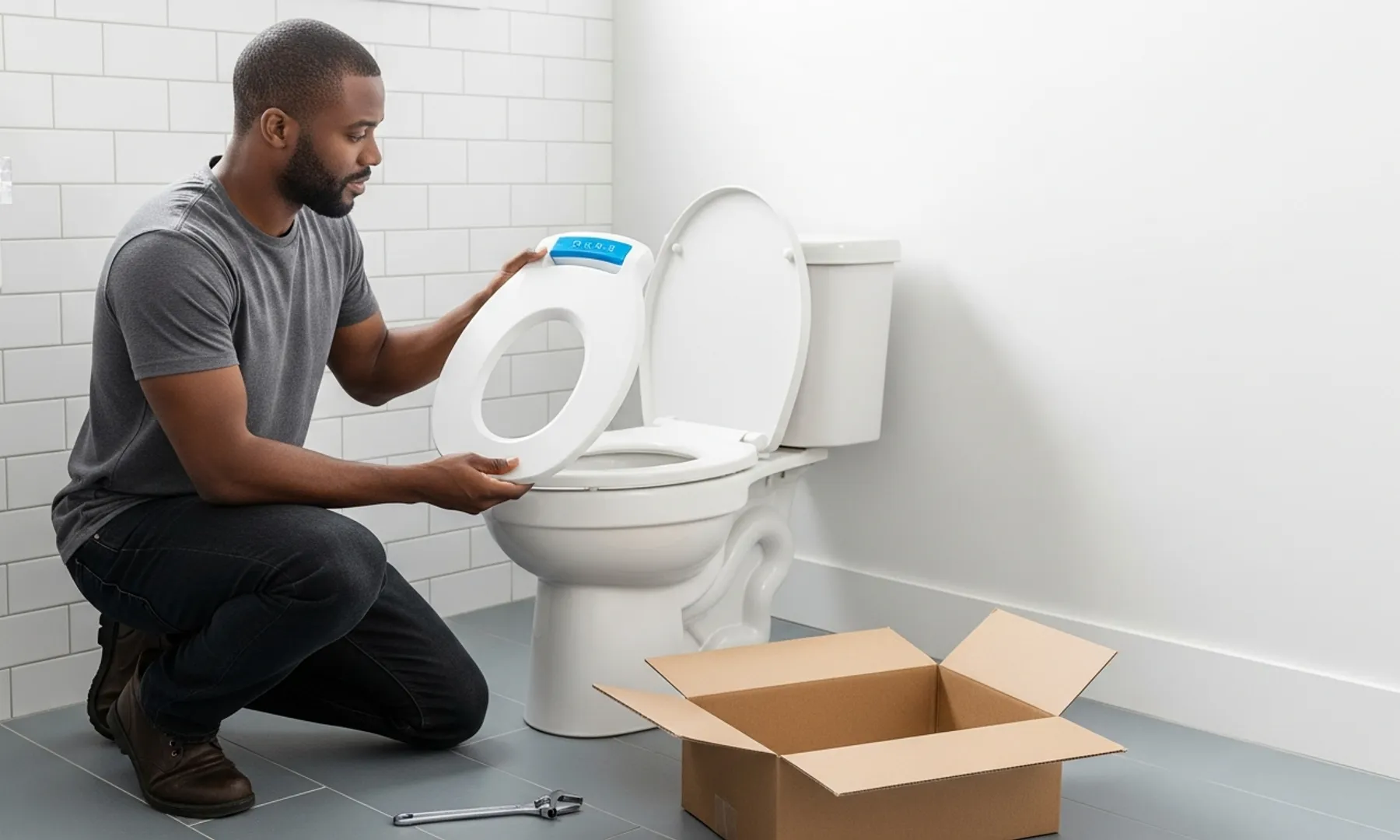
Opting for a DIY bidet toilet seat installation can save you on labor costs, but it's not always free. You'll need some basic tools if you don't already own them. These include an adjustable wrench, a screwdriver, and plumber's tape.
For a non-electric bidet, your DIY costs are typically minimal, often just the price of the unit itself, plus maybe $20-$50 for a basic tool kit. This straightforward setup usually involves shutting off the water, disconnecting the supply line, installing a T-adapter, and attaching the bidet seat. Most non-electric models are designed for easy home installation.
However, electric bidet seats introduce a new challenge: power. If your toilet is already near a grounded GFCI outlet, you might still consider it a DIY project. But if you need to run new wiring, DIY is no longer a viable or safe option.
When DIY Isn't Enough: Professional Bidet Installation Costs
Many homeowners discover that installing an electric bidet seat requires more than just plumbing know-how. The biggest hurdle is often the lack of a nearby, properly grounded, GFCI (Ground-Fault Circuit Interrupter) outlet. Most building codes require these outlets within a certain distance of water sources like toilets.
Professional installation becomes necessary when your bathroom lacks this crucial electrical infrastructure. You'll need both a plumber and potentially an electrician. A plumber handles the water connection, while an electrician ensures safe and compliant power. This dual-professional need significantly increases the total cost.
Plumber vs. Electrician: Who Do You Call (and Pay)?
Understanding the roles of a plumber and an electrician is key to budgeting for professional bidet installation. A plumber is responsible for the water supply. This includes installing the T-valve, connecting the bidet's water line, and ensuring there are no leaks.
In 2026, a plumber's labor for a standard bidet seat hookup, assuming existing water lines are accessible, might cost between $150 and $400. This range depends on your location, the complexity of the existing plumbing, and the plumber's hourly rate. More intricate jobs, like relocating a water supply or dealing with old pipes, will naturally be on the higher end.
An electrician, on the other hand, is needed if you require a new GFCI outlet installed near your toilet. This is a common requirement for electric bidet seats. Running new wiring, installing a dedicated circuit, and adding a new outlet can cost anywhere from $250 to $700 or more, depending on how far the wiring needs to be run and the complexity of your home's electrical panel. In some older homes, an electrical panel upgrade might even be necessary, pushing costs much higher.
Cost Comparison: DIY vs. Professional Bidet Installation in 2026
Here's a breakdown of estimated costs for different scenarios in 2026. These figures include the bidet seat itself, assuming a mid-range electric model ($450) for professional installations, and a non-electric model ($150) for DIY.
| Scenario | Bidet Seat Cost | DIY Tools (if needed) | Plumber Labor | Electrician Labor | Total Estimated Cost |
|---|---|---|---|---|---|
| DIY Non-Electric | $150 | $20-$50 | $0 | $0 | $170-$200 |
| DIY Electric (existing GFCI) | $450 | $20-$50 | $0 | $0 | $470-$500 |
| Pro Electric (no new outlet) | $450 | $0 | $150-$400 | $0 | $600-$850 |
| Pro Electric (new GFCI outlet) | $450 | $0 | $150-$400 | $250-$700 | $850-$1,550 |
As you can see, the need for electrical work is the primary driver of higher professional installation costs. Always get multiple quotes for professional services.
Smart Bidet Seats and AI Integration: Future-Proofing Your Bathroom
The world of bidet toilet seats is evolving, with more models incorporating smart features and even AI integration by 2026. These advanced units often connect to your home Wi-Fi, allowing for app control, personalized settings, and even diagnostic feedback. Some can learn your preferences over time or integrate with smart home ecosystems like Amazon Alexa or Google Home.
While the core plumbing and electrical installation remains similar, these smart features might require a stable Wi-Fi signal in your bathroom. You might also need to consider network security for any device connected to your home's internet. The added complexity of setup and potential troubleshooting for smart features is generally covered by the bidet seat's manual and manufacturer support, not the installer.
However, ensuring robust electrical supply is paramount for these high-tech units. A dedicated circuit is often recommended for the most advanced models to prevent tripping breakers, especially if you have other high-draw appliances in the bathroom.
Hidden Costs and Common Pitfalls to Avoid
Beyond the basic installation fees, several factors can unexpectedly drive up your bidet project's cost. One common pitfall is discovering incompatible toilet dimensions. Some one-piece toilets or those with skirted designs make installation tricky for certain bidet seats, potentially requiring a different model or professional modification.
Older homes might have outdated plumbing or electrical systems that need upgrading. A simple bidet installation could uncover corroded pipes or insufficient electrical capacity, turning a minor project into a major renovation. Always inspect your bathroom's infrastructure before purchasing a bidet.
Another overlooked cost is a potential permit. While rare for a simple bidet seat, extensive electrical or plumbing modifications (like adding new circuits or moving water lines) might require local permits. Failing to obtain necessary permits can lead to fines and rework, adding significant expense. Check with your local building department in cities like Phoenix or Dallas.
Making the Right Choice for Your Home
Deciding between DIY and professional bidet installation in 2026 comes down to your comfort level, existing bathroom infrastructure, and budget. If you're comfortable with basic plumbing and have a non-electric bidet or an existing GFCI outlet for an electric one, DIY can be a cost-effective solution, potentially saving you hundreds.
However, if an electric bidet is your goal and your bathroom lacks the necessary electrical outlet, professional help is non-negotiable for safety and compliance. Don't cut corners on electrical work; the risks far outweigh any potential savings. Get at least three quotes from licensed plumbers and electricians in your area.
Ultimately, a bidet toilet seat is an investment in comfort and hygiene. Plan carefully, understand the true costs for your specific situation, and prioritize safety. This foresight will ensure a smooth installation and years of enjoyment. You can compare bidet seat features and prices at major retailers like Amazon or Home Depot to start your planning.