
Recession-Proof Your Finances Ahead of the 2026 Midterm Elections
With the 2026 US midterm elections looming, economic instability, sticky inflation, and shifting tax policies are keeping Americans on edge. Don't wait for Washington to decide your financial fate. Here is your definitive, step-by-step guide to recession-proofing your wallet and protecting your investments this year.

Let's skip the political talking points and look at the math.
As the US gears up for the 2026 midterm elections, the economic landscape is incredibly fragile. We are dealing with "sticky" inflation hovering near 3%, a labor market that economists are calling a "low-hire, low-fire" environment, and the looming expiration of major tax cuts. Furthermore, the global trade landscape is being actively reshaped by new tariffs that are passing costs directly onto American consumers.
In a midterm election year, Washington is focused on winning votes, not necessarily stabilizing your portfolio. Policy uncertainty historically drives intense market volatility. If you want to protect your family's wealth, you cannot afford to be reactive.
Here is the definitive guide to recession-proofing your finances and capitalizing on the chaos of 2026.
1. The 2026 Economic Reality Check: What is Actually Happening?

Before you can defend your money, you have to know what you are defending it from.
Sticky Inflation: The days of 2% inflation are likely gone for the near future. Between supply chain realignments and wage pressures, things are going to stay expensive.
The Tariff Effect: Major tariffs enacted recently are showing a 50%+ pass-through rate to consumers. This means the price of imported goods (electronics, clothing, certain groceries) will continue to pinch your monthly budget.
The "Low-Hire, Low-Fire" Job Market: Companies aren't doing massive layoffs, but they also aren't hiring. If you lose your job, finding a new one is taking significantly longer than it did in 2023 or 2024.
2. Reassess and Fortify Your Cash Reserves

The old rule of thumb was to keep 3 to 6 months of living expenses in an emergency fund. In 2026, that rule is obsolete.
Because the hiring cycle has slowed down so dramatically, financial advisors are now recommending 6 to 9 months of baseline expenses held in high-yield savings accounts (HYSAs).
Action Step: Calculate your absolute "bare bones" survival budget (housing, food, utilities, insurance). Multiply that by six. If you don't have that number sitting in liquid cash earning at least 4% APY, make this your primary financial goal. Stop aggressively over-investing in the stock market until this cash moat is built.
3. Tariff-Proof Your Household Budget

With tariffs driving up retail prices, your discretionary income is under attack.
Action Step: Front-load your major purchases. If you know you need a new laptop, refrigerator, or vehicle within the next 12 months, buy it now before additional trade policies push prices higher.
Action Step: Audit your recurring subscriptions. With inflation eating at your grocery bill, you need to reclaim cash flow. Cancel the streaming services you don't watch and negotiate your insurance premiums.
4. Prepare for the Tax Cut Expiration Threat
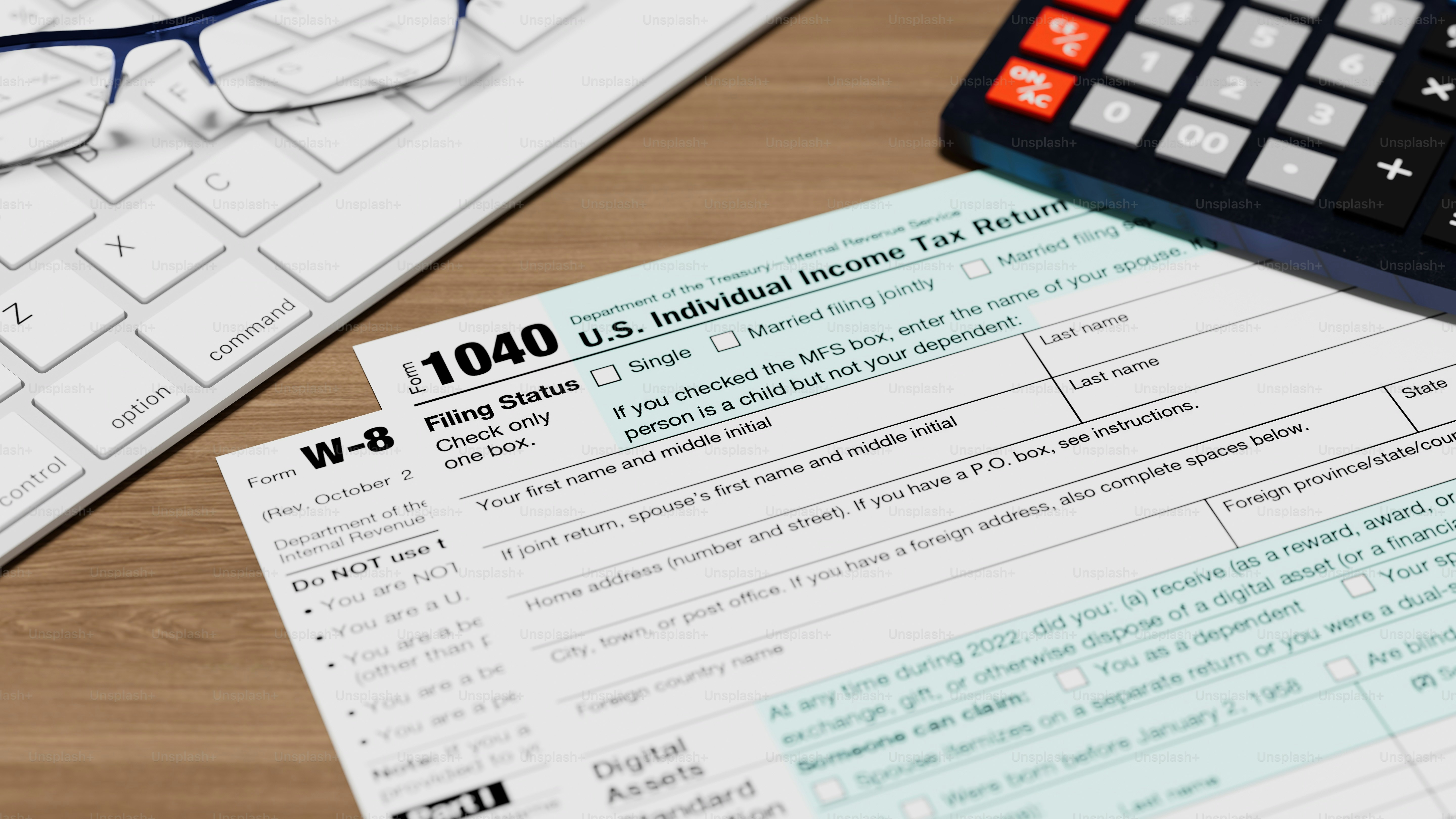
One of the biggest financial events looming in the background of the 2026 midterms is the expiration of the Tax Cuts and Jobs Act (TCJA). Without congressional action, many individual tax rates will revert to higher, pre-2018 levels.
Action Step: Maximize your tax-advantaged accounts now. Fully fund your Roth IRA and Health Savings Account (HSA).
Action Step: If you are a high earner or a small business owner, sit down with a CPA this quarter. You may need to accelerate income into 2026 before rates potentially hike in 2027, or restructure your business entity to protect your margins.
5. Investing Through Midterm Volatility

If you look at the historical data, midterm election years follow a very predictable pattern: intense volatility and market pullbacks in the 6 to 9 months leading up to November, followed by a massive rally once the election is over and policy uncertainty is resolved.
Action Step: Do not panic-sell when the market dips in September or October. Historically, the 12 months following a midterm election yield some of the strongest market returns of the cycle.
Action Step: Keep "dry powder" ready. If the market drops 10% due to political fear-mongering, use your excess cash to buy high-quality index funds at a discount. View pre-election volatility as a buying opportunity, not a catastrophe.
6. Play "Career Defense"

Your most valuable wealth-building tool is your income. In a "low-hire" environment, you cannot afford to coast.
Action Step: Make yourself indispensable. Volunteer for projects tied directly to revenue generation or cost-saving for your company.
Action Step: Quietly update your resume and LinkedIn profile. Network with recruiters in your industry even if you are perfectly happy in your current role. You want the parachute packed before the plane engines sputter.
The Bottom Line
Recession-proofing isn't about hoarding canned goods in a bunker; it is about building financial flexibility. By extending your emergency fund, optimizing your tax strategy, and ignoring the political noise to buy the dip, you can turn the uncertainty of 2026 into a foundation for long-term wealth.