Missing just one key detail can cut your home's appraisal by $10,000 or more in 2026. Learn which upgrades deliver over 90% ROI and how to prepare for the appraiser's visit to secure your home's true value.
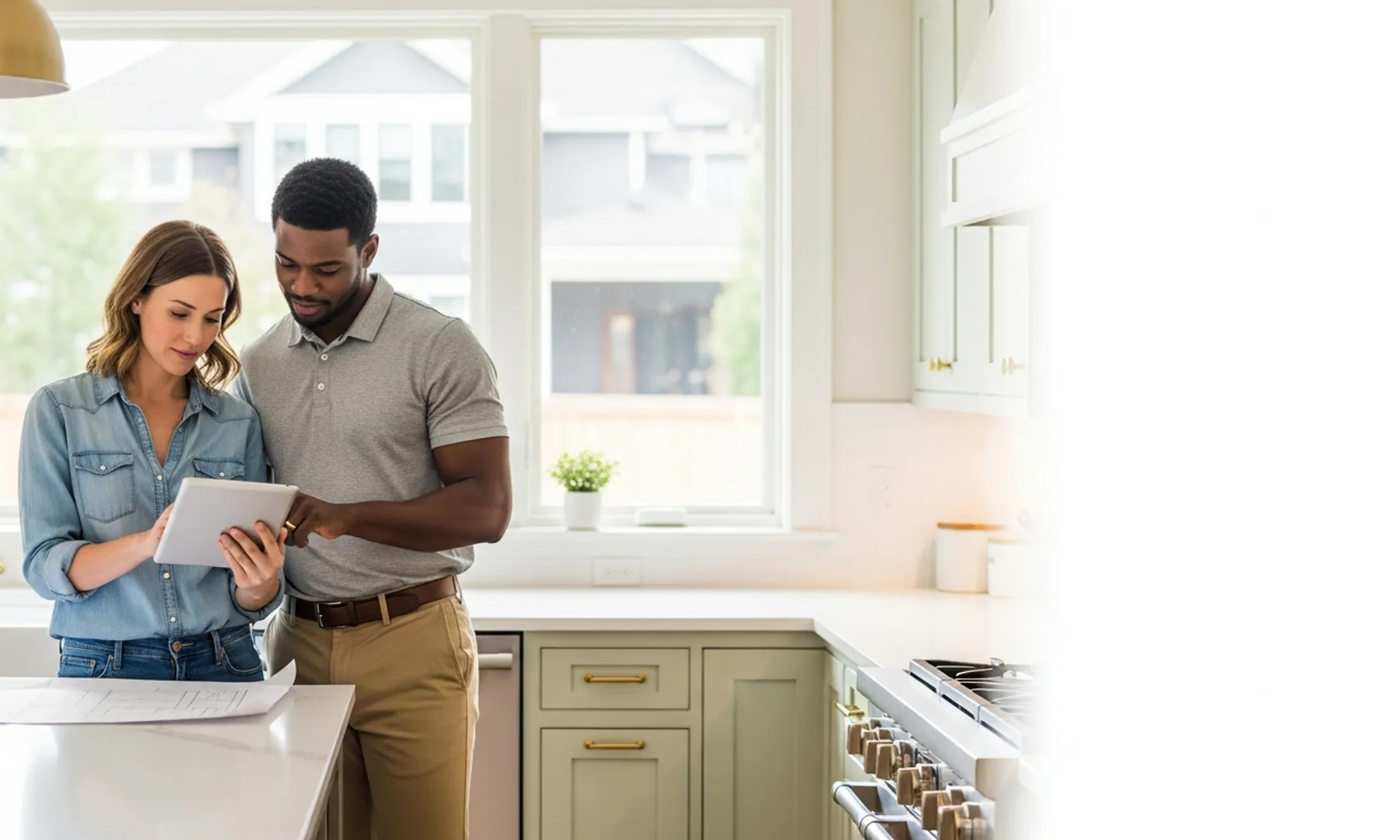
Unlock Your Home's Full Potential in 2026
Your home is likely your biggest asset, and its appraised value impacts everything from refinancing options to a potential sale price. But many homeowners leave thousands of dollars on the table during an appraisal, simply because they don't know what appraisers truly prioritize. In a dynamic 2026 housing market, understanding these nuances is more important than ever.
This guide cuts through the noise. We'll show you the specific, high-impact strategies and upgrades that catch an appraiser's eye. You'll learn how to present your property to secure the best possible valuation.
What Appraisers Really Look For Beyond the Paint Job
It's easy to assume an appraiser just looks at how clean your home is or the color of your walls. The truth is, they're performing a detailed analysis based on specific criteria. Understanding their process is your first step to a higher valuation.
Appraisers use the Uniform Standards of Professional Appraisal Practice (USPAP) guidelines. They focus on factors that contribute to the property's market value, often comparing it to recent sales of similar homes, known as "comparables" or "comps," within your neighborhood.
High-ROI Exterior Upgrades That Pay Off in 2026
First impressions matter, especially for an appraisal. Curb appeal signals to an appraiser that the home has been well-maintained. These exterior projects consistently deliver strong returns.
- Enhance Your Entryway: A new garage door or front door can significantly boost appeal. Replacing an old garage door can recoup nearly 95% of its cost, according to some national reports.
- Strategic Landscaping: Simple, well-maintained landscaping adds perceived value. Focus on healthy grass, trimmed bushes, and a few colorful plants. Avoid overgrown trees or barren patches.
- Power Washing: A professional power wash can make siding, driveways, and walkways look brand new. This low-cost effort can dramatically improve your home's exterior appearance.
- Exterior Paint & Siding: Fresh paint can instantly modernize a home. If your siding is worn, consider repairing or replacing sections. Manufactured stone veneer, for instance, often sees a high ROI, sometimes over 90%.
Here’s a look at typical ROIs for popular exterior improvements in the current market:
| Improvement | Average Cost (USD) | Estimated ROI (%) |
|---|---|---|
| Garage Door Replacement | $1,500 - $4,000 | 90-95% |
| Manufactured Stone Veneer | $10,000 - $15,000 | 85-90% |
| Entry Door Replacement (Steel) | $1,000 - $2,500 | 65-70% |
| Minor Landscape Refresh | $500 - $2,000 | 50-75% |
Remember, these numbers can vary based on your local market and the quality of the work. But focusing on these areas provides a solid foundation.
Smart Interior Improvements Appraisers Notice
Once inside, an appraiser will scrutinize the condition and functionality of key areas. Strategic updates here can significantly elevate your appraisal.
- Kitchen & Bathroom Updates: These are the most impactful rooms. A minor kitchen remodel (new cabinet fronts, countertops, appliances) can yield a 70-80% ROI. For bathrooms, focus on fresh paint, updated fixtures, and a clean, modern aesthetic.
- Consider energy-efficient appliances from brands like Whirlpool or GE.
- Fresh Paint & Cleanliness: A neutral, fresh coat of paint throughout the home is one of the cheapest ways to add value. And a sparkling clean home suggests meticulous care, influencing the appraiser's overall impression.
- Flooring Condition: Worn carpets or damaged hardwoods can detract from value. Consider refinishing hardwood floors or replacing old carpets with modern, durable options. Luxury vinyl plank (LVP) is a popular, cost-effective choice.
- Functional Layout: Appraisers assess the home's functional utility. This means ensuring all rooms flow well and serve their intended purpose. Fixing awkward layouts, if minor, can be beneficial.
But avoid over-personalizing. While you might love a bold accent wall, an appraiser is looking for broad appeal.
Addressing Deferred Maintenance: The Hidden Value Killer
Nothing screams "lower value" to an appraiser like obvious signs of neglect. Deferred maintenance isn't just an aesthetic issue; it signals potential future costs to a buyer, and appraisers factor this in.
- Roof Condition: A leaky or aging roof is a major red flag. If your roof is visibly worn, consider repairs or replacement. Appraisers will note its remaining useful life.
- HVAC System: Ensure your heating, ventilation, and air conditioning system is in good working order. A new or well-maintained system from brands like Carrier or Lennox can be a strong selling point.
- Plumbing & Electrical: Look for any visible leaks, dripping faucets, or outdated electrical panels. These issues can lead to safety concerns and costly repairs down the line.
- Water Damage: Any signs of water stains on ceilings, walls, or in the basement must be addressed. This suggests structural problems or leaks that could significantly devalue your home.
The 'Invisible' Boost: Smart Home Tech & Energy Efficiency for 2026
As technology advances, appraisers are increasingly considering smart home features and energy efficiency. These upgrades appeal to modern buyers and can contribute to a higher appraisal.
- Smart Thermostats: Devices like Google Nest or Ecobee smart thermostats offer convenience and energy savings. They can slightly increase a home's appeal and value, especially as utility costs rise.
- LED Lighting: Swapping out old bulbs for energy-efficient LEDs is a simple, low-cost upgrade. It reduces electricity bills and offers better illumination.
- Insulation & Windows: Upgraded insulation and energy-efficient windows, especially in older homes, can make a significant difference. They reduce heating and cooling costs, a major draw for potential buyers.
- Water-Saving Fixtures: Low-flow toilets and showerheads are environmentally friendly and reduce water bills. This is a subtle but positive mark for an appraiser.
These improvements might not have the dramatic ROI of a kitchen remodel. However, they contribute to the overall perceived value and efficiency of the home, which is increasingly important to homeowners in 2026.
Preparing for Appraisal Day: Beyond Just Cleaning
The day of the appraisal isn't just about having a tidy home. You can actively prepare to ensure the appraiser has all the information needed to give your home its best possible value.
- Create a "Property Data Sheet": Compile a list of all major improvements, their dates, and costs. Include new roofs, HVAC replacements, window upgrades, and significant remodels. This helps the appraiser accurately assess the home's effective age and condition.
- Document Permits & Warranties: If you completed any work that required permits, have those documents ready. Also, provide warranties for new appliances or systems. This demonstrates professional work and adds peace of mind.
- Clear Access: Ensure the appraiser can easily access all areas of the home, including the attic, basement, and any crawl spaces. Clear clutter and move furniture if necessary.
- Highlight Unique Features: If your home has unique features like custom built-ins, energy-efficient solar panels, or a smart home security system, make sure these are visible or documented. Point out any recent upgrades to your real estate agent, who can communicate them to the appraiser.
Remember, the appraiser's job is to be objective. Providing clear, organized information simply helps them do their job accurately, reflecting your home's true worth.
Market Realities in 2026: What Drives Local Value
While you can control your home's condition, external market factors also heavily influence appraisal values. Understanding these can help you set realistic expectations and time your appraisal strategically.
- Interest Rates: Fluctuating interest rates directly impact buyer affordability and the overall housing market. Lower rates can stimulate demand and push values up, while higher rates can cool the market.
- Local Economy & Job Growth: Strong job markets in cities like Austin, Texas, or Denver, Colorado, often correlate with higher home values. Economic stability attracts new residents, increasing housing demand.
- School Districts: Homes in highly-rated school districts consistently command higher prices. This remains a top priority for many American families.
- Supply and Demand: A low inventory of homes for sale in your area, combined with high buyer demand, will naturally drive up values. Conversely, an oversupply can put downward pressure on prices.
These broader trends, often tracked by the Federal Reserve and local real estate boards, provide the context for your home's specific valuation. Your real estate agent can offer insights into current local market conditions.
Your Next Steps to a Stronger Appraisal
Boosting your home's appraisal value in 2026 isn't about guesswork; it's about strategic improvements and smart preparation. Focus on high-ROI projects, address deferred maintenance, and meticulously prepare for the appraiser's visit.
Start by walking through your home with a critical eye, identifying areas that need attention. Prioritize upgrades that offer the best return for your specific market. Gather all necessary documentation for your upcoming appraisal.
Consider consulting with a local real estate agent or even a pre-appraisal consultation to pinpoint the most impactful changes for your property. Take action now to maximize your home's value.
Disclaimer
The information provided in this article is for general informational purposes only and should not be considered professional advice. While we strive to keep the content accurate and up to date, we make no guarantees of completeness or reliability. Readers should do their own research and consult a qualified professional before making any financial, medical, or purchasing decisions.