Most drivers miss simple car maintenance steps that could cost them $2,000+ in unexpected repairs. Learn how to save hundreds annually in 2026 by mastering easy DIY checks and smart mechanic choices before you need major service.
Stop Overpaying: How Smart Maintenance Saves You Thousands
Keeping your car running smoothly shouldn't drain your bank account. In 2026, with rising costs for parts and labor, smart car maintenance isn't just about vehicle longevity—it's about protecting your budget.
Many drivers in places like Dallas or Chicago face annual maintenance bills averaging $800 to $1,200. But ignoring minor issues can quickly escalate into major repairs costing thousands. Think of a minor brake squeal turning into a full rotor replacement, or a small oil leak leading to engine damage.
This guide will walk you through actionable strategies for cost-effective car maintenance. You'll learn how to extend your vehicle's life, boost its fuel efficiency, and avoid those gut-wrenching, unexpected repair bills that hit when you least expect them.
The Hidden Costs of Neglect: Why Proactive Care Pays Off
Ignoring routine maintenance is like skipping small dental cleanings and waiting for a root canal. The initial savings are quickly overshadowed by much larger, more painful expenses down the road.
Take oil changes, for instance. A conventional oil change might cost $40-$80, while synthetic oil runs $70-$120. Skipping these can lead to engine sludge, reduced lubrication, and eventually, engine failure—a repair that could easily exceed $5,000.
Consider a simple air filter replacement. A new filter costs around $20-$40, and you can often install it yourself in minutes. A clogged filter, however, reduces engine efficiency, potentially costing you hundreds of dollars in extra gas each year and accelerating wear on other components. These small neglects add up fast.
Master Your DIY Basics: Simple Checks for Big Savings
You don't need to be a certified mechanic to handle some basic car maintenance. Many tasks are straightforward, require minimal tools, and can save you hundreds annually. Plus, knowing your car better helps you spot potential issues early.
Here are key DIY tasks any driver can tackle:
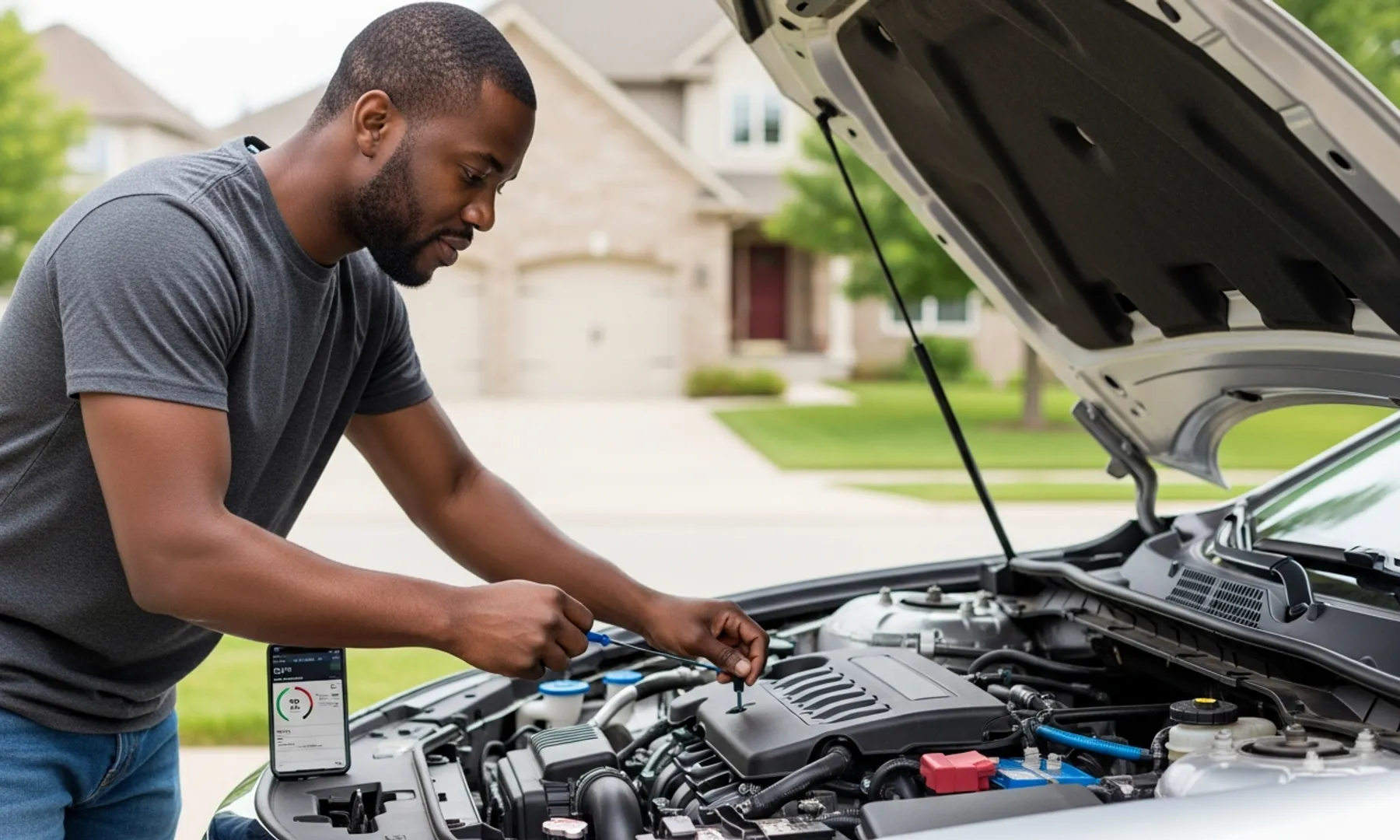
- Check Your Oil Level Monthly: Pull the dipstick, wipe it clean, reinsert, then pull it again to check the level. If it's low, top it off with the correct type of oil. This simple check prevents engine damage from low oil.
- Inspect Tire Pressure Weekly: Use a reliable tire gauge. Proper tire pressure, as found on your driver's side door jamb sticker, improves fuel economy and extends tire life. Under-inflated tires wear out faster and can reduce your gas mileage by 0.2% for every 1 PSI drop.
- Top Off Fluids: Check coolant, brake fluid, power steering fluid, and windshield washer fluid. Most reservoirs have clear 'min' and 'max' lines. Low fluid levels can lead to overheating, poor braking, or steering issues.
- Replace Air and Cabin Filters: These are surprisingly easy to swap out. Your engine air filter ensures clean air for combustion, while your cabin filter keeps the air inside your car fresh. You can find guides on YouTube for almost any make and model, and replacement filters are available at AutoZone or O'Reilly Auto Parts for $15-$30.
- Wiper Blade Replacement: When your wipers start streaking, it's time for new blades. This is a five-minute job, and new blades cost $15-$30 each. Clear visibility is crucial for safety, especially during rainy seasons in places like Seattle.
Finding a Mechanic You Trust (and Afford)
Even with DIY efforts, some maintenance and repairs require professional help. The key is finding a trustworthy mechanic who won't overcharge or recommend unnecessary services. This can feel daunting, but a little research goes a long way.
Start by asking friends, family, or colleagues for recommendations, especially if they have a similar make and model car. Online reviews on Google, Yelp, or AAA-approved repair shop locators can also be incredibly helpful. Look for shops with consistently high ratings and specific mentions of honesty and fair pricing.
Always get a written estimate before any work begins, detailing parts and labor. Don't be afraid to get a second opinion for major repairs. A reputable shop will understand. Ask about warranties on parts and labor—many offer 12-month/12,000-mile coverage.
| Mechanic Type | Pros | Cons | Cost Expectation (Labor Rate) |
|---|---|---|---|
| Dealership Service | Brand-specific expertise, OEM parts, factory trained techs | Often highest cost, pressure for upsells | $120-$180+/hour |
| Independent Shop | Personalized service, often lower rates, flexibility with parts | Quality can vary, less brand-specific tech | $80-$120/hour |
| National Chains (e.g., Jiffy Lube) | Convenience, quick service, standardized pricing | Limited major repair capability, potential for upsells | $70-$100/hour |
For routine tasks like oil changes or tire rotations, a reputable independent shop or even a national chain like Valvoline Instant Oil Change can offer good value. For complex engine issues or warranty work, a dealership might be necessary, but always compare prices.
Smart Tire Management: Beyond Just Air Pressure
Your tires are your car's only contact with the road, making their proper care essential for safety, handling, and fuel economy. Smart tire management goes beyond just checking the pressure.
- Regular Tire Rotations: Rotate your tires every 5,000 to 7,500 miles, or as recommended by your vehicle manufacturer. This ensures even wear across all four tires, extending their lifespan and improving handling. Expect to pay $20-$50 for a rotation, or it might be free if you bought your tires from a place like Discount Tire.
- Wheel Alignment: If your car pulls to one side, or you notice uneven tire wear, you likely need an alignment. Misaligned wheels cause premature tire wear and reduce fuel efficiency. An alignment typically costs $80-$150, but it can save you hundreds on new tires and gas.
- Tire Balancing: When you get new tires, or if you feel vibrations at highway speeds, your tires might need balancing. This ensures the weight is evenly distributed around the wheel, preventing vibration and uneven wear.
- Check Tread Depth: Use a penny to check your tread. If Lincoln's head is fully visible, your tires are likely worn and need replacement. Driving on bald tires is dangerous and illegal in many states, including California and New York. Replacing worn tires proactively prevents hydroplaning and improves braking distance.
Fuel Efficiency and Maintenance: The Direct Connection
In 2026, with gas prices fluctuating, every mile per gallon counts. Proper car maintenance directly translates to better fuel efficiency, saving you real money at the pump. Neglecting certain items can cost you 10-25% more in gas.
A clean air filter, as mentioned earlier, is crucial. A dirty one starves your engine of air, forcing it to work harder and consume more fuel. Similarly, properly inflated tires can improve your gas mileage by up to 3%. Over a year, this could easily add up to $100-$200 in savings for an average driver in a place like Austin, Texas.
Spark plugs are another key component. Worn or fouled spark plugs lead to misfires, which reduce engine power and fuel economy. Replacing them every 30,000-100,000 miles, depending on your vehicle, can restore lost efficiency. A full set of spark plugs and labor might cost $100-$300, but the fuel savings can quickly offset this investment.
Even simple tasks like removing excess weight from your trunk and avoiding aggressive driving (rapid acceleration and hard braking) contribute significantly to better fuel economy. These habits, combined with diligent maintenance, ensure your car runs at its peak efficiency.
Leveraging Technology and Resources for Savings
The digital age offers powerful tools to help you manage car maintenance efficiently and cost-effectively. You don't have to guess when your next service is due or what parts you need.
- Vehicle Maintenance Apps: Apps like CarFax Car Care or MyCarFax can track your service history, remind you of upcoming maintenance based on your mileage, and even help you find reputable service centers. Many modern cars also have built-in maintenance reminders on their dashboard displays.
- Online Parts Retailers: Websites like RockAuto.com or Amazon often offer parts at significantly lower prices than brick-and-mortar stores. Just be sure to double-check compatibility with your specific make, model, and year. You can save 20-50% on parts this way, especially for common items like brake pads or filters.
- YouTube Tutorials: For DIY tasks, YouTube is an invaluable resource. Search for your specific car model and the task you want to perform (e.g., "2018 Honda Civic cabin filter replacement"). You'll often find step-by-step video guides that make the process simple.
- Owner's Manual: This often-overlooked resource is your ultimate guide. It details your car's specific maintenance schedule, fluid types, and recommended parts. Following these guidelines is critical, especially to maintain any remaining factory warranty, protected under the Magnuson-Moss Warranty Act.
Prioritizing Repairs and Parts: When to Splurge, When to Save
Not all repairs are created equal. Sometimes, you can save money by choosing aftermarket parts, and other times, it's worth investing in OEM (Original Equipment Manufacturer) parts. Knowing the difference can save you from costly mistakes.
For critical components like brakes, suspension parts, or engine sensors, investing in high-quality OEM or reputable aftermarket brands is usually wise. These parts are designed to meet strict specifications and often come with better warranties. For example, a quality set of Brembo brake pads might cost more upfront but could last longer and perform better than a cheaper generic option.
For non-critical items, like wiper blades, cabin filters, or even some exterior trim pieces, reliable aftermarket options often provide identical performance at a lower price point. You can often find these at local parts stores or online.
When faced with multiple repair recommendations, ask your mechanic to prioritize them. Which issues are safety-critical? Which are simply preventative? This helps you budget and address the most urgent problems first, preventing further damage. For instance, addressing a worn timing belt is usually more urgent than fixing a minor cosmetic scratch.
Your 2026 Car Care Checklist for Maximum Savings
Staying on top of your car's health is the ultimate cost-saving strategy. By adopting a proactive mindset and integrating these tips into your routine, you can significantly reduce your annual car expenses and extend your vehicle's lifespan well into 2026 and beyond.
Commit to these habits:
- Monthly: Check tire pressure, oil level, and all major fluid levels.
- Every 3-6 Months / 3,000-5,000 Miles: Change your oil and oil filter. Rotate your tires.
- Annually: Get a professional multi-point inspection. Check your battery health, especially before winter. Replace cabin and engine air filters.
- As Needed: Address warning lights immediately. Replace wiper blades when they streak. Get an alignment if your steering feels off.
By following these strategies, you're not just maintaining a vehicle; you're protecting a significant investment and your peace of mind. Start checking your car's fluids and tire pressure this week to begin saving money. You can compare mechanic quotes online or check parts prices at Advance Auto Parts to kickstart your cost-effective car maintenance plan.
Disclaimer
The information provided in this article is for general informational purposes only and should not be considered professional advice. While we strive to keep the content accurate and up to date, we make no guarantees of completeness or reliability. Readers should do their own research and consult a qualified professional before making any financial, medical, or purchasing decisions.