How to Buy a Used Car in 2026 and Know You Are Getting a Fair Deal
Most used car buyers will overpay by $2,000-$3,000 in 2026. Discover the three overlooked data points dealerships hope you never check. This guide helps you secure a genuinely fair deal, avoiding costly mistakes and hidden fees before you sign.
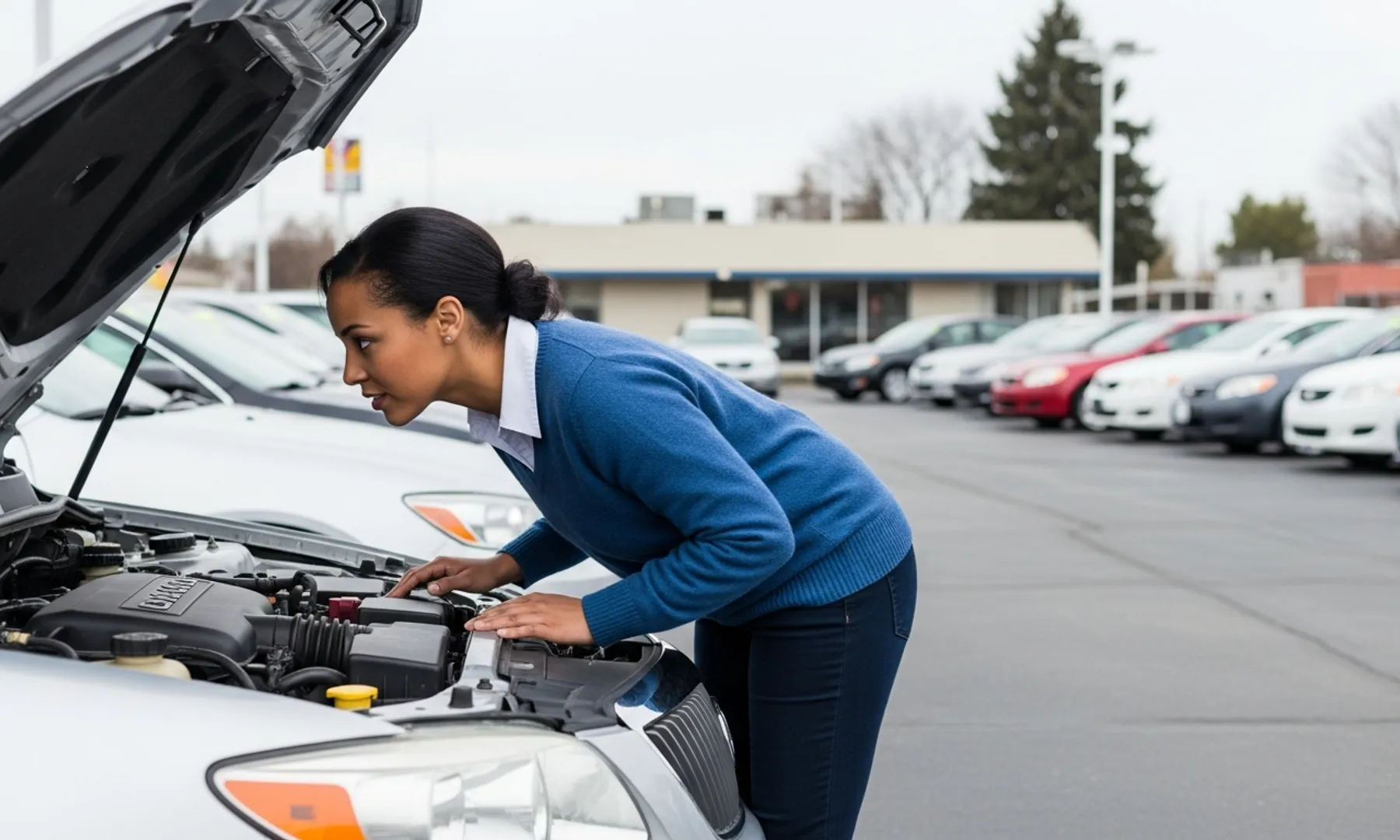
Don't Overpay: Securing a Fair Used Car Deal in 2026
Buying a used car in 2026 still presents challenges, with market fluctuations and rising interest rates impacting prices. Many buyers walk onto the lot or meet a private seller without truly knowing a vehicle's actual worth. This often leads to overpaying by thousands of dollars.
But you don't have to be one of them. This guide will walk you through the essential steps to ensure you get a genuinely fair deal. We'll cover everything from smart budgeting to advanced negotiation tactics, leveraging crucial data points dealerships hope you overlook.
Step 1: Master Your Budget and Pre-Approved Financing
Before you even start browsing, nail down your total budget. This isn't just the sticker price; it includes sales tax, registration fees, insurance, and potential initial maintenance costs.
For example, a $25,000 car in Texas could incur over $1,500 in sales tax alone. Factor in a typical full coverage insurance premium of $150-$250 per month, depending on your age and driving history.
Next, get pre-approved for a loan. This is perhaps the most powerful tool in your arsenal. Visit a local credit union or a bank like Capital One or Chase Auto before you visit any dealership.
Pre-approval gives you a concrete interest rate – often between 6.5% and 11% for used cars in 2026, depending on your credit score. This rate acts as a baseline, allowing you to walk into negotiations knowing your financing options are already solid. It also shifts the focus from monthly payments to the car's actual price.
Step 2: Uncover True Value Beyond Basic Price Guides
Relying on a single source like Kelley Blue Book (KBB) for a used car's value can be a costly mistake. While KBB is a good starting point, it reflects national averages, not necessarily your local market in places like Phoenix or Atlanta.
To truly know you're getting a fair deal, you need to cross-reference multiple valuation tools and real-time market data. Look at what similar cars are *actually selling for* in your area, not just advertised prices.
Here's how top valuation tools compare:
| Valuation Tool | Focus | Key Benefit | Potential Gap |
|---|---|---|---|
| Kelley Blue Book (KBB) | Retail & Trade-in | Broad market insight | Less precise for specific local markets |
| Edmunds | True Market Value (TMV) | Adjusts for local demand | Can sometimes be slightly higher than KBB |
| NADAguides | Lender & Dealer Pricing | Strong for loan valuation | Often higher than consumer-facing guides |
| CarGurus | Deal Rating | Compares local listings | Relies on dealer-provided data |
After checking these, scour local listings on sites like AutoTrader, Cars.com, and Facebook Marketplace. Search for the exact make, model, year, and trim level of the car you're considering. This gives you a real-world snapshot of current prices in your immediate vicinity.
Step 3: Crucial Pre-Purchase Due Diligence Checklist
A fair deal isn't just about price; it's about the car's condition. Skipping thorough inspections can lead to thousands in unexpected repairs. Consider these non-negotiable steps:
- Vehicle History Report: Get a CarFax or AutoCheck report. This reveals accident history, service records, odometer discrepancies, and previous ownership. A clean title is paramount.
- Independent Mechanic Inspection (PPI): This is perhaps the most important step. Pay an independent mechanic (not affiliated with the seller or dealership) to inspect the car. Expect to pay $100-$200 for this service, which can save you thousands by identifying hidden issues.
- Thorough Test Drive: Drive the car for at least 20-30 minutes on various roads – city streets, highways, and even some bumpy roads. Listen for unusual noises, test all features (AC, radio, power windows), and observe how the transmission shifts. Don't rush this.
- Check for Recalls: Use the VIN to check the National Highway Traffic Safety Administration (NHTSA) website for any open recalls. Unaddressed recalls can pose safety risks and future repair costs.
Step 4: Smart Negotiation Strategies for Your Fair Deal
Knowing the car's true value and having pre-approved financing gives you immense power at the negotiation table. Approach it like a business transaction, not a personal one.
First, always focus on the 'out-the-door' price, not just the monthly payment. Dealerships often try to distract buyers with low monthly payment figures that hide inflated prices or high interest rates.
If you're buying from a private seller, be prepared with cash or certified funds once an agreement is reached. For dealerships, present your pre-approval letter early in the discussion. This signals you're a serious buyer with options.
Watch out for common dealership tactics like 'four-square' sheets designed to confuse you with multiple numbers. Stick to negotiating the final vehicle price first, then discuss trade-ins, and finally any add-ons like extended warranties (which are almost always negotiable).
Step 5: Finalizing the Purchase and Essential Paperwork
Once you've agreed on a price, it's time to handle the paperwork. This is where attention to detail prevents future headaches.
Ensure you receive a clear title, properly signed and dated by the seller. This proves ownership and is required for registration. You'll also need a bill of sale detailing the purchase price, VIN, and both parties' information.
If you're in a state like California or New York, you'll need to register the vehicle with your local Department of Motor Vehicles (DMV) soon after purchase. Be prepared to pay sales tax and registration fees, which can vary significantly by state.
Make sure temporary tags are provided if you can't immediately get permanent plates. This allows you to legally drive the car home and to the DMV. Don't drive without proper documentation or tags.
Your Action Plan for a Fair Used Car Deal in 2026
Buying a used car in 2026 can be a smart financial move, but only if you approach it with solid preparation. Don't let the excitement of a new ride blind you to potential pitfalls. By following these steps, you empower yourself to make an informed decision.
Start by securing your financing and knowing your true budget. Then, diligently research the car's actual market value using multiple sources, not just one. Get that independent inspection, and negotiate with confidence.
Your goal is not just to buy a car, but to secure a fair deal that protects your wallet and provides peace of mind. Compare loan rates at your local credit union today, and check CarFax for any vehicle you consider.