Many homeowners are unknowingly spending hundreds extra each year on their kitchen range. Don't install a new one in 2026 without knowing the $1,000 wiring trap that catches many off guard. Your choice impacts utility bills and cooking style.
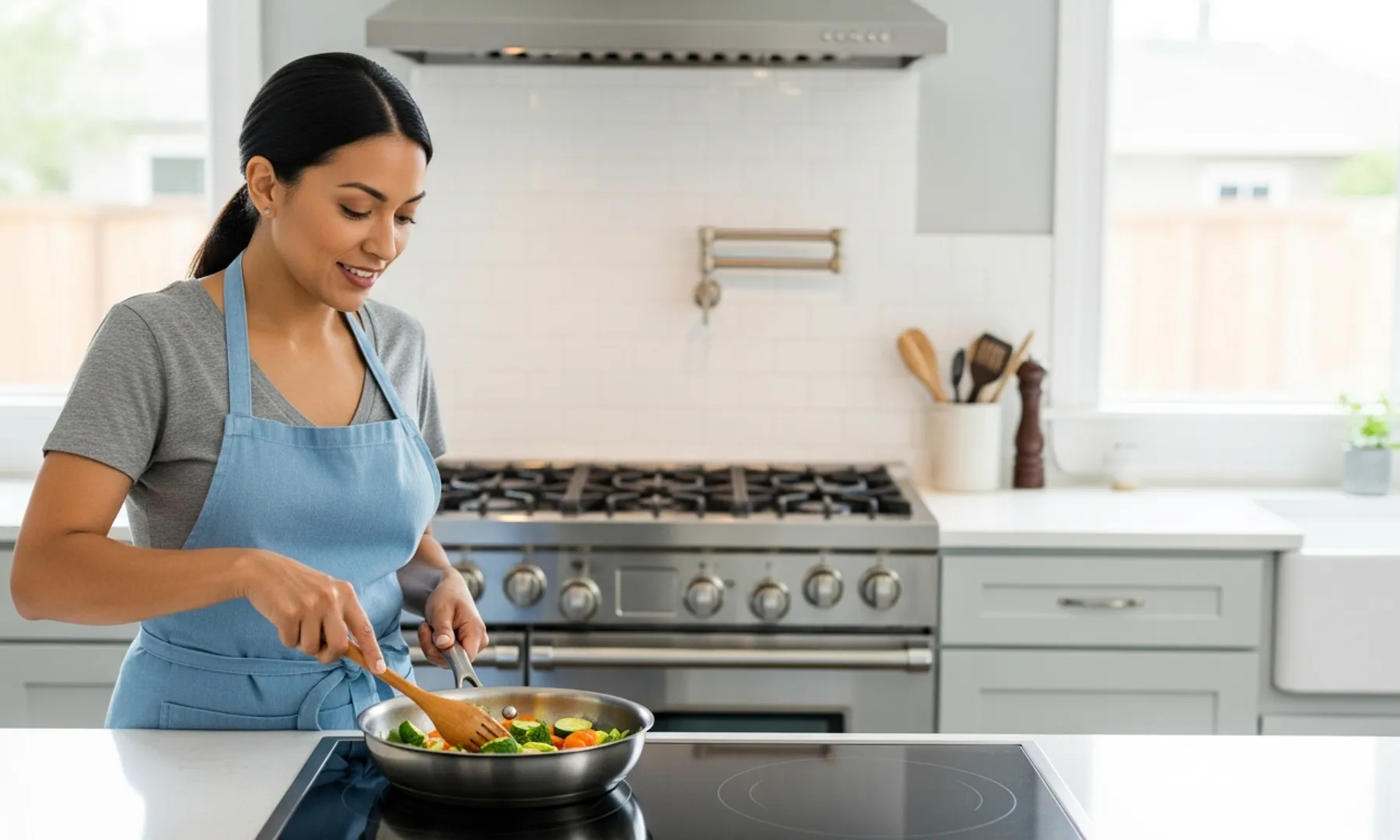
The 2026 Kitchen Dilemma: Induction or Gas?
Americans upgrading their kitchens in 2026 face a significant choice between two powerful cooking technologies: induction cooktops and traditional gas ranges. This decision goes beyond just how you cook; it impacts your utility bills, kitchen design, and even potential resale value.
Many homeowners overlook crucial factors like installation costs and long-term energy efficiency. Your choice today could save or cost you hundreds of dollars annually, especially with evolving energy prices and appliance innovations.
We will explore the real differences, including a common electrical upgrade 'trap' for induction users. By the end, you'll know which option truly fits your American kitchen and lifestyle.
Induction Cooktops: Precision, Speed, and Modern Efficiency
Induction cooking uses electromagnetic fields to directly heat your cookware, not the cooktop surface itself. This innovative method transfers up to 90% of energy directly to the food, making it incredibly efficient.
Imagine boiling a pot of water in under two minutes – that's the speed induction offers. Brands like Bosch and LG are leaders in this space, offering features like precise temperature control and 'boost' functions for rapid heating.
Beyond speed, induction surfaces remain relatively cool to the touch, significantly reducing burn risks, a major plus for families with young children. Cleaning is also a breeze, as spills don't bake onto a hot surface.
Gas Ranges: Traditional Power and Culinary Control
Gas ranges offer a classic cooking experience, favored by many home chefs for their instant, visible flame. This direct heat source allows for quick adjustments and is compatible with virtually any type of cookware, including woks.
Brands such as Whirlpool and Frigidaire continue to produce popular gas models, known for their robust burners and reliable performance. Many cooks appreciate the immediate visual feedback of a flame, allowing for intuitive heat management.
Gas ranges also provide a crucial advantage during power outages, as many models can be lit manually to continue cooking. However, their energy efficiency is lower, typically converting only 40-55% of the gas's energy into usable heat.
Cost Breakdown: Purchase, Installation, and Long-Term Savings
The initial price tag is only part of the story when comparing induction and gas ranges. Installation costs can vary significantly, especially if your kitchen requires new electrical wiring or a gas line.
Induction ranges often start around $1,500 for basic models, climbing to $4,000-$7,000+ for high-end units from brands like GE Profile. Gas ranges typically range from $800 to $5,000, with professional-grade models reaching higher.
Here’s a snapshot of typical costs in the US for 2026:
Installation and Utility Costs: The Hidden Factors
Many homeowners encounter a hidden $500-$2,000 electrical upgrade when switching to induction. Most induction ranges require a dedicated 240-volt circuit, which older homes may lack, necessitating an electrician's visit to upgrade your electrical panel.
Conversely, if you're installing a gas range where no gas line exists, expect to pay $300-$1,000 for a plumber to run a new line. Existing gas lines simplify this process significantly.
On average, induction cooktops can save US households $200-$400 annually on utility bills due to their superior energy efficiency compared to gas. These savings can offset the higher upfront and installation costs over several years.
Cooking Experience: Flame vs. Electromagnetic Field
Your preferred cooking style heavily influences which range is 'best.' Induction offers unparalleled temperature precision; you can set a specific temperature and trust it will hold, ideal for delicate sauces or consistent simmering.
Gas, with its visual flame, provides a different kind of control. Chefs who rely on tilting pans or charring vegetables often prefer gas. Wok cooking, for instance, thrives on the direct, encompassing heat of a gas burner.
Consider a busy parent in Houston who values safety and quick meal prep. Induction's speed and cool-to-touch surface might be a game-changer. For a home baker in Boston who needs precise oven temperatures and consistent stovetop heat for glazes, induction's evenness is a clear winner.
Key Features and Top Brands in 2026
Modern ranges, both induction and gas, come loaded with smart features. Samsung offers smart ranges with Wi-Fi connectivity, allowing remote preheating or monitoring.
Induction specific features include 'bridge' elements that combine two burners for larger griddles, and precise power levels for melting chocolate without a double boiler. You might also find models with virtual flame displays to mimic gas.
Gas ranges boast high-BTU burners for intense searing, integrated griddles, and convection ovens for even baking. Brands like KitchenAid offer professional-style gas ranges with powerful, versatile burners, catering to serious home cooks.
Environmental and Health Considerations
The environmental impact of your range choice is gaining traction. Induction cooktops produce zero direct emissions, contributing to better indoor air quality and a lower carbon footprint.
Gas ranges, however, can emit pollutants like nitrogen oxides (NOx), carbon monoxide (CO), and formaldehyde, even when properly ventilated. Studies suggest these emissions can negatively impact indoor air quality, especially in smaller kitchens.
Some US cities and states, particularly in California and New York, are moving towards electrification mandates for new construction, discouraging new gas hookups. This trend could influence appliance availability and home values in the coming years.
Making Your Choice: Situation-Based Recommendations
Choosing the right range in 2026 depends on your priorities and kitchen setup.
- Choose Induction If: You prioritize safety, precise temperature control, energy efficiency, and easy cleanup. You're willing to invest in new cookware if needed and budget for potential electrical upgrades. It's excellent for modern, tech-forward kitchens.
- Choose Gas If: You prefer traditional cooking with a visible flame, already have a gas line, and value appliance function during power outages. You might appreciate the versatility with all types of cookware and a lower upfront installation cost if a gas line is present.
Consider a young couple in Dallas renovating their first home. If they plan to stay for decades and value long-term savings and a modern aesthetic, induction is compelling. An experienced chef in New Orleans who regularly uses a wok might stick with gas, given their existing setup and cooking preferences.
Your Next Steps for a 2026 Kitchen Upgrade
Before making a final decision, thoroughly assess your current kitchen infrastructure. Have an electrician check your panel for 240-volt capacity if considering induction. If you lean towards gas, verify the presence and condition of a gas line.
Research specific models from brands like Whirlpool or Bosch and read recent user reviews. Compare local appliance deals and installation quotes from at least three different contractors to get the best value.
Finally, visit appliance showrooms to see both induction and gas ranges in person. Test out the controls and imagine them in your home. This hands-on experience can solidify your choice.
Disclaimer
The information provided in this article is for general informational purposes only and should not be considered professional advice. While we strive to keep the content accurate and up to date, we make no guarantees of completeness or reliability. Readers should do their own research and consult a qualified professional before making any financial, medical, or purchasing decisions.