Your 2026 Car Trade-In Checklist for Top Value at the Dealership
Don't leave thousands on the table when you trade in your car in 2026. Most sellers miss a crucial step that can boost their vehicle's value by up to $3,500. Learn the key checklist items now to maximize your profit and avoid costly errors at the dealership.
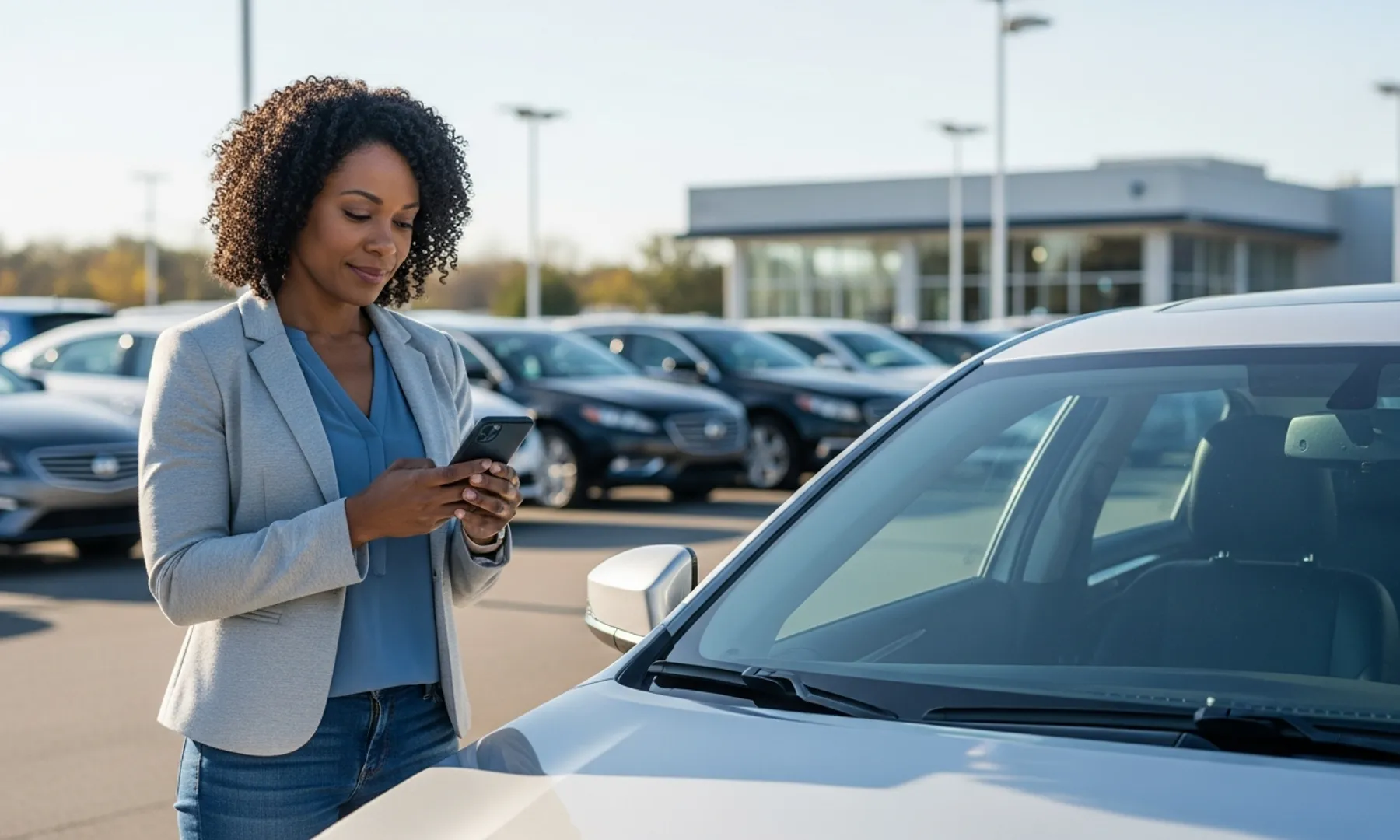
Don't Leave Thousands on the Table: Your 2026 Trade-In Blueprint
Trading in your car can feel like a guessing game, but it doesn't have to be. In 2026, the used car market continues to shift, making preparation more critical than ever. Many drivers lose thousands of dollars simply by not knowing the key steps before visiting a dealership.
This checklist helps you maximize your vehicle's trade-in value. You'll learn how to approach the process strategically, ensuring you get top dollar for your current ride. Don't let your old car become a costly mistake when you upgrade.
Step 1: The Pre-Inspection Power Play for Higher Value
Before any dealership sees your car, give it a thorough once-over. A clean, well-presented vehicle signals care and attention, which can translate to a better offer. This isn't about hiding flaws, but about highlighting your car's best attributes.
- Deep Clean Inside and Out: Pay for a professional detail or spend a full day yourself. Remove all personal items, vacuum carpets, clean upholstery, and wipe down all surfaces.
- Exterior Polish: Wash, wax, and shine your car. Touch up minor scratches with a paint pen if you're comfortable.
- Tire Shine: Even new tires look better with a good shine. This small detail adds to the overall impression.
- Check Fluid Levels: Ensure oil, coolant, and washer fluid levels are correct. Top them off if needed.
Step 2: Decoding Your Car's True Worth in 2026
Never walk into a dealership without knowing your car's market value. Use multiple online tools to get a realistic range for your specific make, model, and condition. These valuations are your baseline for negotiation.
Consider these trusted US sources:
- Kelley Blue Book (KBB): Get an instant cash offer and a trade-in value. Many dealerships partner with KBB for their instant offers.
- Edmunds: Provides a true market value estimate based on recent sales in your area. This can be very precise.
- NADAguides: Often used by dealerships and lenders, providing wholesale and retail values. This offers a different perspective.
- CarGurus & Autotrader: Look at similar cars for sale privately and at dealerships in your region. This shows real-world asking prices.
Step 3: Essential Documentation: Your Value Evidence
A well-documented vehicle is a valuable vehicle. Having all your paperwork in order proves your car's history and maintenance, building trust with the dealership. This can significantly reduce their risk assessment.
- Maintenance Records: Gather all service receipts, oil change records, and repair invoices. A complete history shows consistent care.
- Clean Title: Ensure your car's title is clear of any liens. If you still owe money, the dealership will handle the payoff, but know your exact balance.
- Vehicle History Report (CarFax/AutoCheck): Run your own report before the dealership does. This lets you address any discrepancies or understand the impact of past incidents.
- Owner's Manual and Spare Keys: These small items are often overlooked but add completeness to the sale. Missing keys can cost you $100-$300.
Step 4: Smart Repairs: What's Worth Fixing Before You Sell?
Not every repair boosts your trade-in value enough to justify the cost. Focus on inexpensive fixes that have a high visual or functional impact. Major mechanical issues are usually best left to the dealership.
| Repair Type | Is it Worth It? | Why? |
|---|---|---|
| Minor Dings/Scratches | Yes, if cheap paintless dent repair | Improves curb appeal significantly for $50-$200. |
| Warning Lights | Yes, for basic issues (e.g., O2 sensor) | Eliminates immediate red flags for the dealer and next owner. |
| Headlight Restoration | Yes, if hazy | Improves aesthetics and safety for $20-$50. |
| Windshield Chips | Yes, if small and repairable | Prevents cracks and shows attention to safety; typically $50-$100. |
| Worn Tires | No, unless unsafe | Dealers get tires cheaper. Your new tire cost won't be recouped. |
| Major Engine/Trans | No, typically too expensive | High cost, low ROI. Dealers can fix it cheaper or factor into wholesale. |
Small repairs like replacing a broken visor clip or fixing a loose trim piece can make a big difference. These show pride of ownership.
Step 5: Getting Multiple Offers: Beyond the First Dealership Quote
Never accept the first trade-in offer you receive. Dealerships are businesses, and their goal is to maximize profit. Getting competing bids puts you in a stronger negotiating position.
- Online Car Buyers: Get offers from services like Carvana, Vroom, and local dealerships' online appraisal tools. These offers are often valid for several days or weeks.
- Independent Dealerships: Visit a couple of different dealerships, even if you don't plan to buy a car from them. Use their trade-in offer as leverage.
- Private Sale Consideration: Understand the potential profit from a private sale. While more effort, it often yields hundreds or thousands more than a trade-in. Compare the effort vs. the dollar difference.
Bring these written offers with you to the dealership where you intend to buy. This shows you've done your homework.
Step 6: The Negotiation Game: Tactics for Top Dollar
When it's time to talk numbers, keep a clear head. Separate the new car purchase price from your trade-in value as much as possible. This prevents confusion and allows for clearer negotiation.
- Negotiate New Car Price First: Agree on the price of your new vehicle before discussing your trade-in. This keeps the two transactions distinct.
- Highlight Your Car's Strengths: Point out your meticulous maintenance records, recent detailing, and any desirable features.
- Leverage Competing Offers: Present your best online or alternative dealership offers. Ask the dealer to match or beat them.
- Don't Forget the Sales Tax Benefit: In many US states, your trade-in value reduces the taxable amount of your new car purchase. For example, if you trade in for $20,000 and buy a $40,000 car, you only pay sales tax on $20,000. This is a significant hidden saving, potentially hundreds or thousands of dollars, depending on your state's tax rate.
Your Final Steps for a 2026 Trade-In Win
Maximizing your car's trade-in value in 2026 comes down to preparation and information. By following this checklist, you'll approach the dealership with confidence and data. You'll avoid common pitfalls and ensure you walk away with the best possible deal.
Take the time to clean your car, gather your documents, and get multiple valuations. And remember, the sales tax benefit can make a dealer's offer more attractive than a higher private sale price. Use these insights to secure top value for your vehicle this year. Don't settle for less than your car is truly worth.